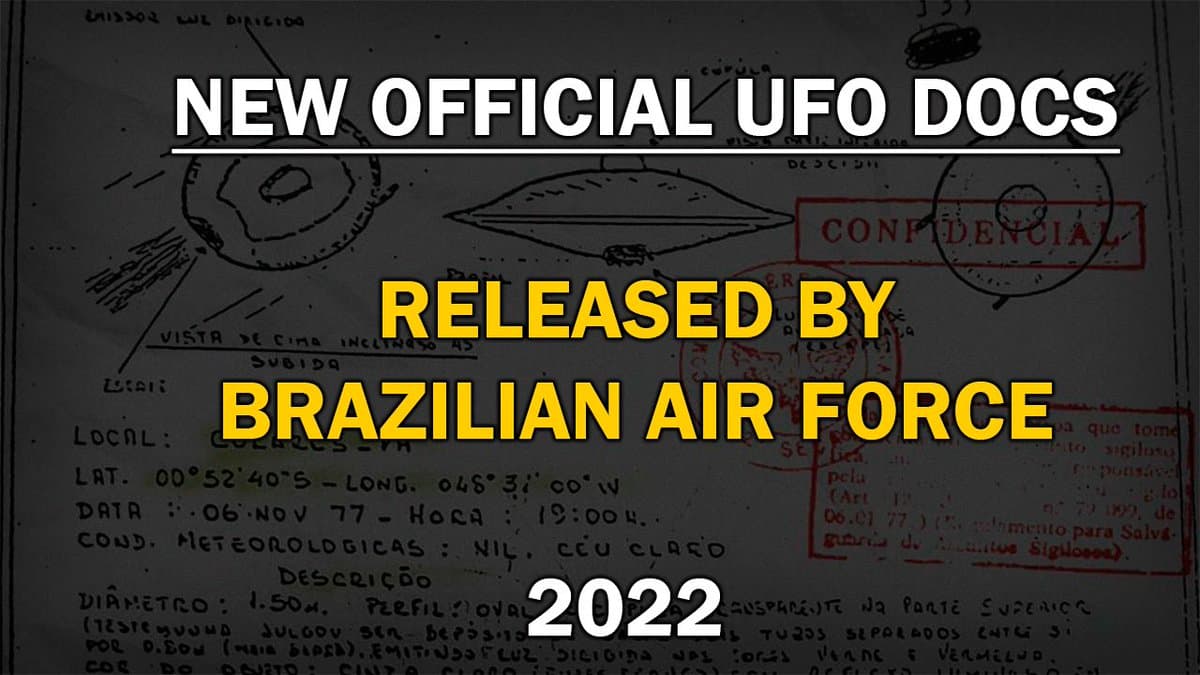
Brazil's Air Force released over 4,000 pages of UFO documents in 2009-2014, including military investigations, after previously claiming no such records existed.
“The Brazilian Air Force maintains no records of unidentified flying object investigations”
From “crazy” to confirmed
The Claim Is Made
This is the moment they called it crazy.
For decades, Brazil's military establishment maintained an official position: the country had no records of UFO sightings or investigations. When citizens and researchers requested documentation about unexplained aerial phenomena, they were turned away. The Brazilian Air Force operated under a blanket denial that anything unusual had ever occurred in their airspace worthy of investigation or documentation.
This stonewalling continued despite numerous public sightings and persistent inquiries from UFO researchers and media outlets. The government's stance was clear and unwavering—there were no files because there was nothing to file. Any suggestion otherwise was dismissed as speculation or folklore. For the Brazilian public, the official message was simple: move along, there's nothing here.
Then, between 2009 and 2014, Brazil's Air Force released over 4,000 pages of declassified documents. The materials included military investigations into UFO sightings, pilot reports, and official correspondence about unexplained aerial phenomena spanning decades. What the government had claimed didn't exist suddenly materialized in archives and public records.
The documents revealed that Brazil's military had taken UFO reports seriously enough to investigate them formally. These weren't casual observations—they were official military inquiries into incidents that had puzzled trained observers and prompted official concern. The sheer volume of material contradicted the previous assertion that no such records existed. If there were no investigations, where did thousands of pages of documented investigations come from?
The contradiction is striking. Either the Brazilian Air Force had been systematically lying about the existence of these files, or they had simply claimed ignorance when they actually maintained extensive records. Neither explanation is particularly reassuring. The first suggests deliberate deception; the second suggests institutional incompetence or indifference to public accountability.
Get the 5 biggest receipts every week, straight to your inbox — plus an exclusive PDF: The Top 10 Conspiracy Theories Proven True in 2025-2026. No spam. No agenda. Just the papers they couldn't hide.
You just read "Brazil Officially Released UFO Files After Decades of Claimi…". We send ones like this every week.
No one's said anything yet. Be the first to drop your take.
What makes this case particularly significant is how it unfolded publicly. This wasn't a leak or a Freedom of Information Act battle. The Brazilian government released these documents through official channels, making the previous denials even harder to explain away. There was no dramatic confrontation forcing reluctant disclosure—just the quiet release of materials that contradicted years of official statements.
The Brazilian example reveals a pattern worth examining globally. Governments maintain positions of ignorance or denial, and when forced to confront their own records, those positions crumble. The gap between what officials claim doesn't exist and what actually exists in their filing systems raises uncomfortable questions about institutional transparency and good faith.
For citizens trying to understand what their governments actually know about unexplained phenomena, the Brazilian case offers a cautionary lesson. Official denials may say more about bureaucratic convenience than about truth. When institutions claim no records exist, it's worth asking whether they've actually looked, or whether admitting such records exist creates complications they'd prefer to avoid.
The larger implication is about institutional credibility. Once a government claims something doesn't exist and later produces evidence that it does, every similar future claim becomes suspect. Public trust, once damaged, doesn't recover easily. Brazil's UFO files are ultimately a story about what happens when official denials collide with official documentation—and the public is left wondering what else might be filed away in archives worldwide, waiting to contradict the claims we're being told today.
Beat the odds
This had a 3.3% chance of leaking — someone talked anyway.
Conspirators
~500Large op
Secret kept
17 years
Time to 95% exposure
500+ years