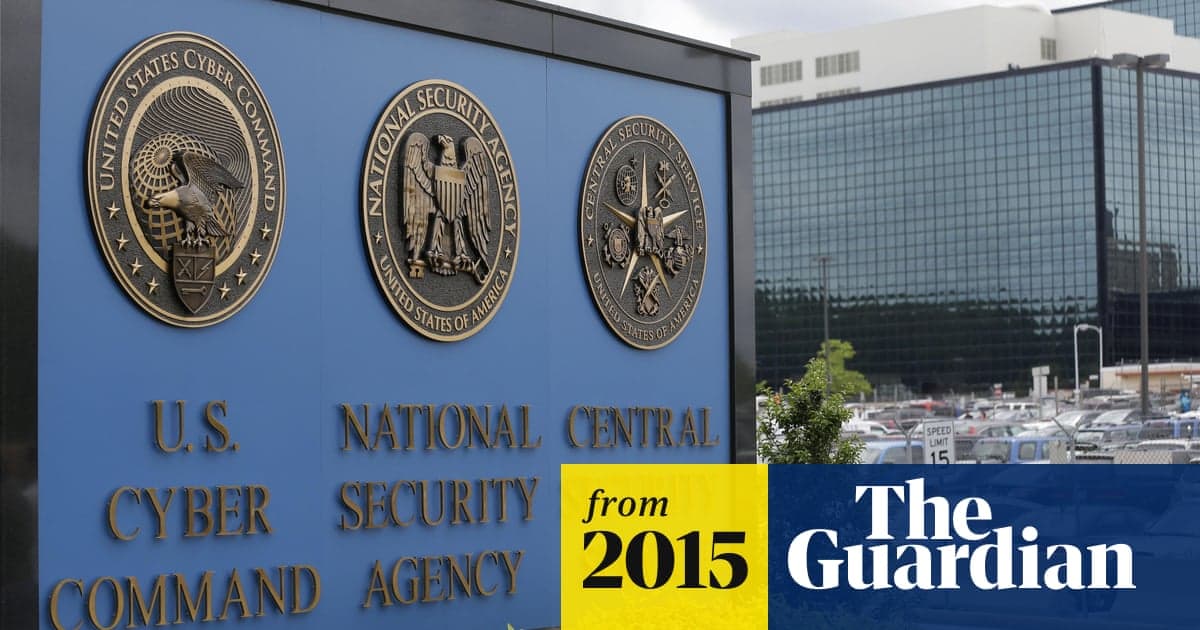
GCHQ denied improper surveillance, but Snowden documents revealed UK intelligence bypassed domestic restrictions by sharing data through NSA programs.
“GCHQ operates within all legal frameworks and does not circumvent UK privacy protections”
From “crazy” to confirmed
The Claim Is Made
This is the moment they called it crazy.
For years, British intelligence officials maintained a clean record on domestic surveillance. They insisted that strict legal frameworks prevented GCHQ from conducting the kind of warrantless data collection that might concern privacy advocates. The agency operated within the law, they said. British citizens could trust that oversight mechanisms worked.
Then Edward Snowden's documents arrived, and that narrative fractured.
What emerged from classified NSA files was a systematic arrangement that, in practice, rendered British legal protections largely meaningless. GCHQ had developed a workaround to its own legal restrictions. Rather than directly collecting bulk data on British citizens without warrants—which domestic law forbade—the agency simply received that same data from the NSA through established intelligence-sharing programs. The Americans collected it legally under their own authorities. The British received it without needing warrants. The outcome was identical to illegal domestic surveillance, just filtered through a partner agency.
The arrangement had a name: Tempora. And it had been operating at an industrial scale for years before anyone outside the intelligence community knew it existed.
GCHQ's initial response followed a familiar pattern. When confronted with reports based on Snowden's disclosures, officials denied wrongdoing. They argued that their activities fell within legal authority and that proper safeguards existed. The agency emphasized that it followed procedures, that oversight occurred, that ministers knew what was happening. Privacy concerns, they suggested, were based on misunderstandings of how modern intelligence work functioned.
Get the 5 biggest receipts every week, straight to your inbox — plus an exclusive PDF: The Top 10 Conspiracy Theories Proven True in 2025-2026. No spam. No agenda. Just the papers they couldn't hide.
You just read "British intelligence illegally shared citizen data with NSA …". We send ones like this every week.
No one's said anything yet. Be the first to drop your take.
But the documents told a different story. The Snowden files revealed that GCHQ had tapped undersea fiber optic cables and was processing the resulting data—including communications from millions of British citizens—without individual warrants. The legal framework the agency cited as protection simply didn't apply to data obtained through NSA sharing arrangements. It was a distinction with the difference.
What made this particularly significant was the scale and the intent. This wasn't about a handful of targets. The programs scooped up bulk communications from transatlantic cables, vacuuming in vast quantities of data with minimal sorting. A British citizen's phone call, email, or text message could end up in NSA databases and then flow back to GCHQ—all without the warrant requirements that theoretically protected British privacy rights.
The revelation mattered because it exposed a fundamental gap between democratic accountability and operational reality. Parliament had enacted legal restrictions on surveillance precisely because members understood the dangers of unchecked government access to private communications. Those restrictions looked good on paper. But they could be sidestepped by outsourcing collection to partners without those same legal limits.
This wasn't unique to Britain or the NSA. It represented a systemic problem: allied intelligence agencies learning to cooperate in ways that circumvented each other's domestic legal safeguards. What one nation's law forbade, another nation's agency could provide.
The implications for public trust were severe. Citizens of democracies are entitled to assume their government follows the law. Yet here was evidence that legal compliance could be technically achieved while democratic principles were practically abandoned. The law said GCHQ couldn't conduct warrantless bulk surveillance. GCHQ found a partner who could.
Sometimes the most revealing conspiracies aren't hidden in shadows. They're built into the architecture of institutions themselves, operating at the intersection where legal language meets operational reality.
Beat the odds
This had a 1% chance of leaking — someone talked anyway.
Conspirators
~200Network
Secret kept
12.9 years
Time to 95% exposure
500+ years