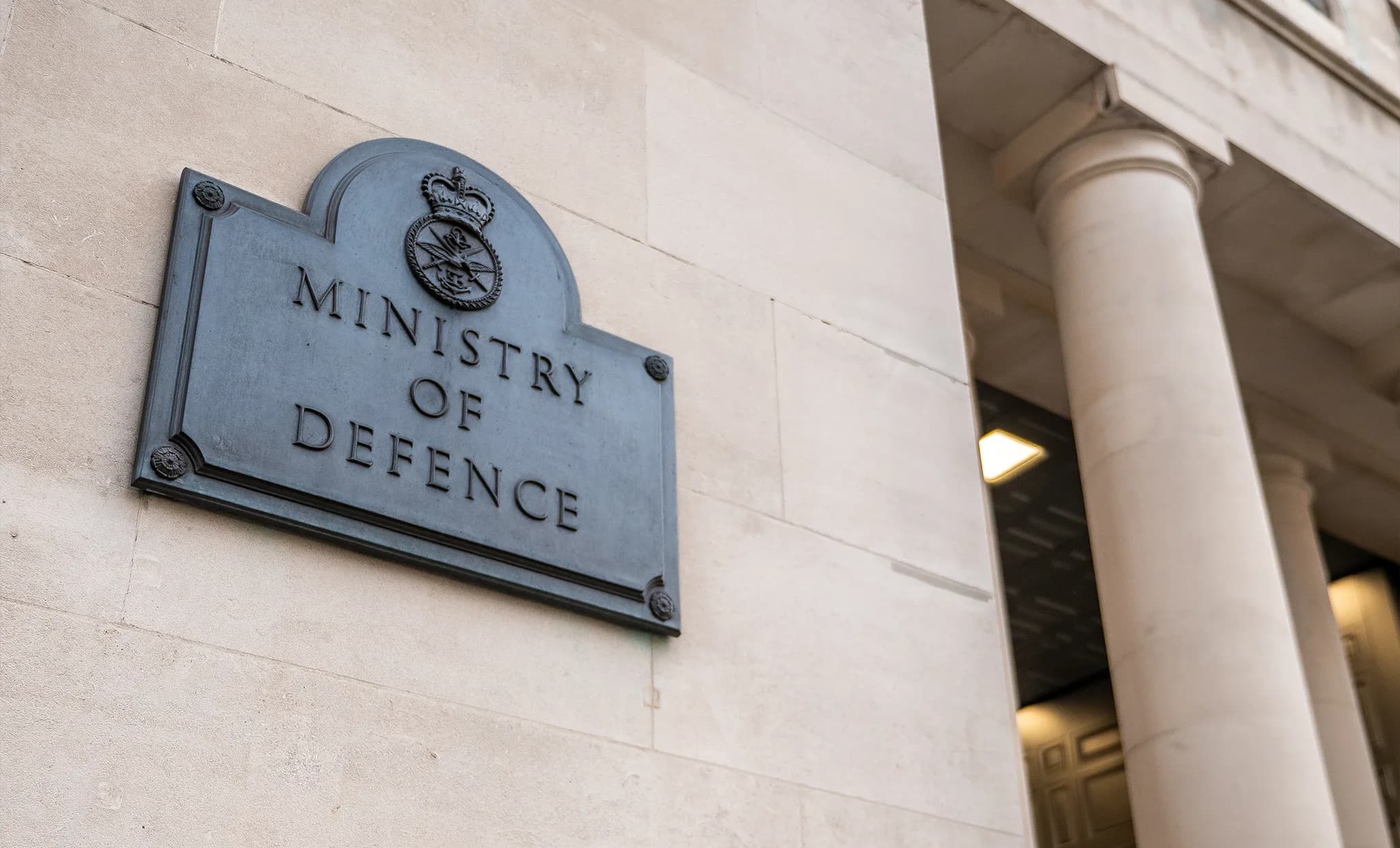
The UK MoD publicly dismissed UFO reports while secretly maintaining investigation units from 1950-2009. Released files revealed thousands of documented cases and ongoing research programs.
“The Ministry of Defence does not investigate UFO reports as they are of no defence significance”
From “crazy” to confirmed
The Claim Is Made
This is the moment they called it crazy.
For fifty years, the British Ministry of Defence maintained a straightforward public position on unidentified flying objects: they weren't worth investigating. Officials consistently told Parliament, the press, and the public that UFO sightings were either misidentifications of aircraft, weather balloons, or the product of overactive imaginations. Behind closed doors, however, a different operation was quietly underway.
Beginning in 1950, the RAF's Air Staff Secretariat established dedicated investigation units tasked with collecting, analyzing, and archiving thousands of UFO reports from across the United Kingdom. These weren't casual observations filed away and forgotten. They represented a systematic, decades-long effort to document and study unexplained aerial phenomena—a program that contradicted everything the government was telling the public.
The existence of these secret investigations wasn't widely known until 2008, when the UK began releasing classified UFO files under freedom of information requests. What emerged was substantial: thousands of documented cases, internal assessments by trained military observers, and evidence that the MoD had maintained active research programs specifically designed to investigate UFO incidents. The released Air Staff Secretariat documents showed that officials understood they were dealing with phenomena that couldn't always be easily explained away.
What made this revelation significant wasn't simply that the government had lied about the scope of investigation. It was the nature of what they had investigated. The files contained reports from credible witnesses—RAF pilots, military personnel, scientists. Many cases involved radar confirmations, multiple witness accounts, and sightings of objects exhibiting flight characteristics that defied explanation by conventional aircraft. The MoD's public dismissals suddenly looked less like informed analysis and more like deliberate obfuscation.
The government's own justification for the secrecy was telling. Officials argued that public knowledge of unexplained aerial incidents could cause panic, undermine confidence in air defense capabilities, or trigger false reports that would overwhelm investigators. In other words, they decided the public couldn't be trusted with information about something they couldn't explain. They chose to manage perception rather than share facts.
Get the 5 biggest receipts every week, straight to your inbox — plus an exclusive PDF: The Top 10 Conspiracy Theories Proven True in 2025-2026. No spam. No agenda. Just the papers they couldn't hide.
You just read "British Ministry of Defence Secretly Investigated UFOs for 5…". We send ones like this every week.
No one's said anything yet. Be the first to drop your take.
This case demonstrates a pattern that extends beyond UFOs. When governments encounter phenomena outside their ability to immediately categorize or explain, the default response has often been to deny the phenomenon exists rather than admit uncertainty. The fifty-year gap between what Britain's MoD was actually doing and what it claimed to be doing is a textbook example of institutional secrecy justified by paternalism.
The implications for public trust are substantial. Declassified records show that when citizens reported strange aerial activity, their government had systems in place to take those reports seriously—at least in private. Yet the same government repeatedly told those citizens, in public, that such reports weren't worth taking seriously. The disconnect wasn't an oversight. It was policy.
Today, as governments worldwide acknowledge that unexplained aerial phenomena remain poorly understood, the British case serves as a reminder. Sometimes the most revealing aspect of a conspiracy isn't what was hidden, but why it needed to stay hidden. The MoD didn't maintain secret UFO investigations because the sightings were definitely alien spacecraft. They maintained them because something unusual was happening, and they couldn't explain it. For fifty years, they decided you didn't need to know that.
Beat the odds
This had a 3.5% chance of leaking — someone talked anyway.
Conspirators
~500Large op
Secret kept
18 years
Time to 95% exposure
500+ years