“Burn pit operations posed no significant long-term health risks to personnel”
From “crazy” to confirmed
The Claim Is Made
This is the moment they called it crazy.
For years, American service members deployed to Iraq and Afghanistan came home with unexplained illnesses—persistent coughs, respiratory problems, and cancer diagnoses that seemed to cluster among those who had been stationed near the same locations. When veterans began asking questions, they were largely told there was no evidence that military burn pits posed a health threat. The Department of Defense maintained this position even as soldiers grew sicker.
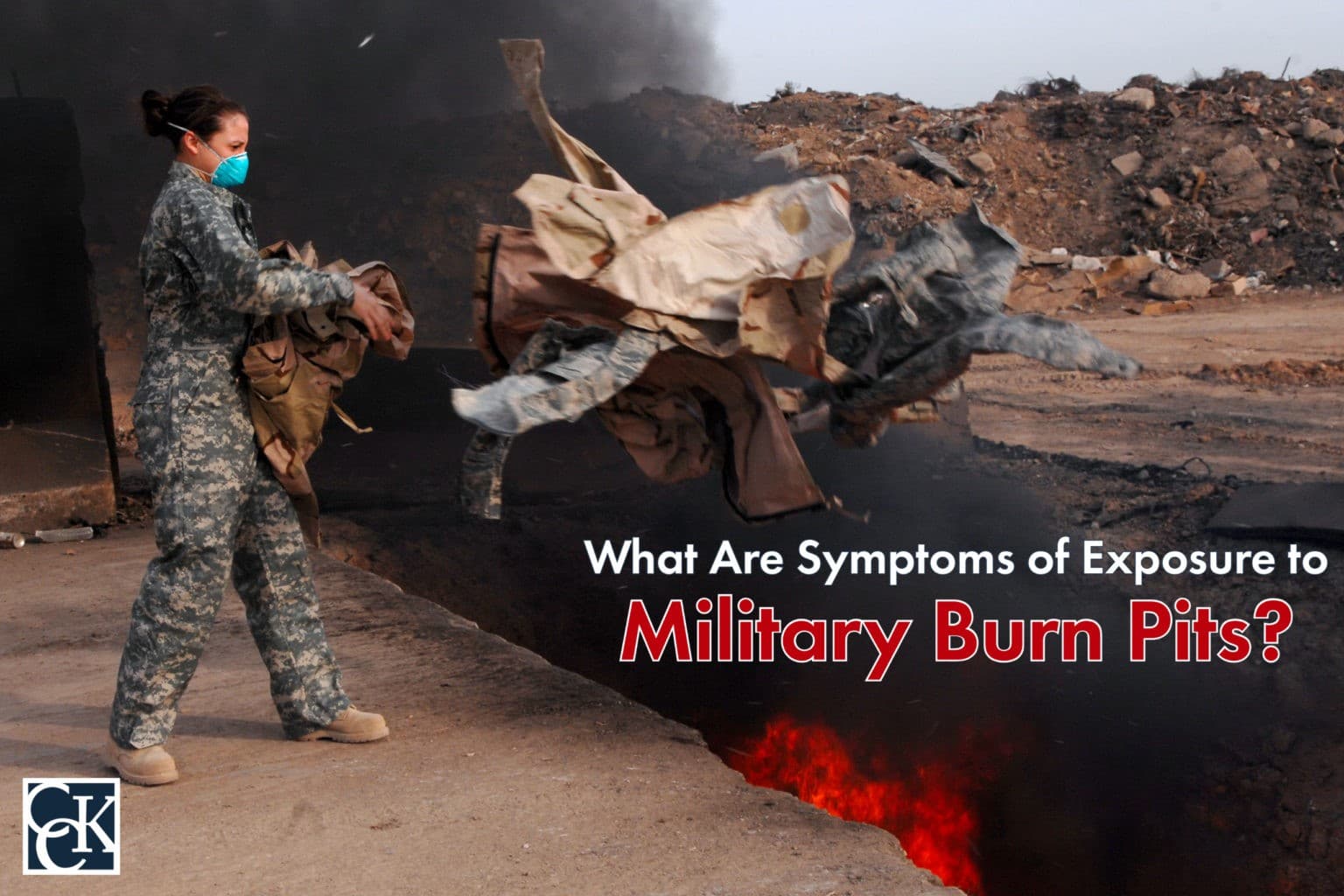
What we now know, through declassified documents and internal communications, is that military officials had evidence of the danger all along. They simply chose not to act on it, leaving hundreds of thousands of service members exposed to toxic fumes from massive open-air burn pits that incinerated everything from medical waste to ammunition to hazardous materials.
The burn pits themselves were ubiquitous across forward operating bases in Iraq and Afghanistan. Instead of implementing proper waste management systems, the military opted for crude open-air burning—a cheaper and faster method that made logistics easier. These pits operated continuously, producing thick black smoke and releasing a cocktail of toxic chemicals into the air that troops breathed daily. In some cases, burn pits operated just meters from where soldiers slept and worked.
For roughly a decade after the wars began, the official line from the Pentagon was consistent: there was insufficient evidence linking burn pit exposure to specific health conditions. Veterans' complaints were treated skeptically. The VA resisted claims, and service members struggled to prove causation. The narrative was one of scientific uncertainty and individual variation in health outcomes.
Behind closed doors, however, internal military documents told a different story. Officials at various levels acknowledged that burn pit exposure likely caused respiratory disease, cancer, and other serious conditions. Some documents indicated that commanders were aware of the health risks but continued operations unchanged. The gap between what officials said publicly and what they knew privately created a credibility chasm that should trouble anyone paying attention to institutional accountability.
It wasn't until much later—after thousands of veterans had already suffered—that the evidence became undeniable enough for official acknowledgment. The VA began establishing presumptive conditions for burn pit exposure, effectively admitting what had been claimed all along. But by then, the damage was done. Veterans had spent years fighting for benefits they should have received immediately. Some didn't live to see vindication.
This case reveals a pattern that extends beyond this single issue: institutions sometimes prioritize operational convenience and budget considerations over the health and safety of the people they're supposed to protect. When evidence emerges that contradicts the official narrative, there's often a lag—sometimes years—before acknowledgment comes, and even then, it's frequently presented as new information rather than a correction of a known falsehood.
For veterans, the implications are personal and devastating. For the rest of us, it raises fundamental questions about institutional transparency and the cost of trusting official assurances without independent verification. When government agencies deny risks they actually understand, they're not just being evasive—they're making a calculated choice to prioritize their interests over ours. Understanding that this happened, and how it happened, matters because it informs how critically we should evaluate official claims in the future.
Get the 5 biggest receipts every week, straight to your inbox — plus an exclusive PDF: The Top 10 Conspiracy Theories Proven True in 2025-2026. No spam. No agenda. Just the papers they couldn't hide.
You just read "Burn Pit Exposure Cover-up - Military Denied Health Risks to…". We send ones like this every week.
No one's said anything yet. Be the first to drop your take.