Military base water supply contaminated with cancer-causing chemicals from 1950s-1980s. Marine Corps knew about contamination but failed to warn families living on base.
“Base water supply met all federal safety standards throughout the period in question”
From “crazy” to confirmed
The Claim Is Made
This is the moment they called it crazy.
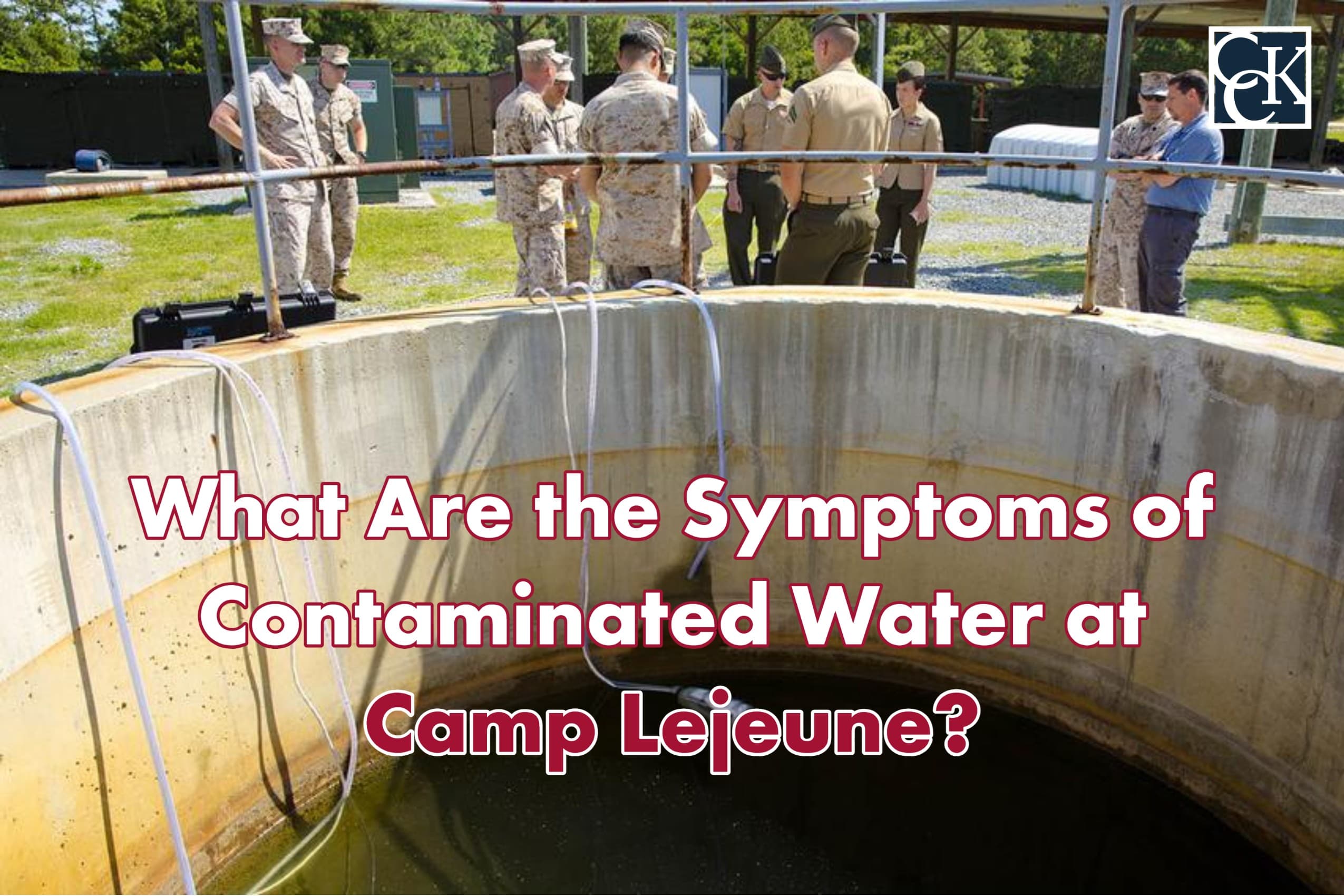
For nearly three decades, thousands of Marines and their families drank contaminated water at Camp Lejeune, North Carolina without knowing they were consuming cancer-causing chemicals. The base's water supply had been poisoned since the 1950s, yet nobody told them.
The contamination involved volatile organic compounds, particularly trichloroethylene (TCE) and perchloroethylene (PCE)—solvents used in industrial cleaning and degreasing operations. These chemicals don't just disappear. They seep into groundwater, accumulate in the body, and significantly increase the risk of multiple cancers and serious health conditions. At Camp Lejeune, they sat in the water supply for decades while families showered, cooked, and raised children in what they believed was a safe military installation.
Those who first raised concerns about the water quality were largely ignored or dismissed. Initial reports of contaminated wells surfaced in the 1980s, but the Marine Corps downplayed the findings. When environmental testing eventually confirmed the presence of toxic chemicals in multiple wells on base, the response was bureaucratic and slow. The contaminated water wells weren't fully shut down until 1985—roughly thirty years after contamination began. Even then, the full scope of what residents had been exposed to remained unclear to the public for years.
The official position from the military was one of cautious minimization. The chemicals were present, yes, but at what levels? For how long? What were the actual health risks? These questions weren't answered quickly or transparently. Families living on base during these decades had no way to make informed decisions about their own safety because the information wasn't provided to them.
What changed the narrative was time and epidemiology. As Marines and military families who lived at Camp Lejeune developed clusters of rare cancers—kidney cancer, liver cancer, leukemia, multiple myeloma—the pattern became impossible to ignore. Veterans began connecting their diagnoses to their time on base. Medical researchers conducted studies comparing health outcomes in exposed versus unexposed populations. The evidence was damning. The contamination was real, the exposure was substantial, and the health consequences were measurable and severe.
By 2022, the Department of Veterans Affairs officially acknowledged the link between Camp Lejeune water exposure and eight specific diseases and conditions. The military had known about contamination for years before disclosure, yet took no meaningful action to protect those living there. This wasn't a case of unknown risks or unavoidable accidents. It was institutional failure compounded by delayed transparency.
What makes this case significant isn't just the contamination itself—environmental disasters happen. What matters is that a government agency responsible for protecting military personnel and their families was aware of the danger and didn't act with appropriate urgency or honesty. Families made life decisions—where to live, how long to stay, where to send their children to school—based on incomplete information that those in power possessed.
The Camp Lejeune case represents a fundamental breach of trust. It demonstrates how official denials and slow-walking of bad news can persist for decades when institutions prioritize reputation over transparency. For the affected families, verification came too late for prevention but perhaps not too late for accountability and support.
Get the 5 biggest receipts every week, straight to your inbox — plus an exclusive PDF: The Top 10 Conspiracy Theories Proven True in 2025-2026. No spam. No agenda. Just the papers they couldn't hide.
You just read "Camp Lejeune Water Contamination - Marines Exposed to Toxic …". We send ones like this every week.
No one's said anything yet. Be the first to drop your take.