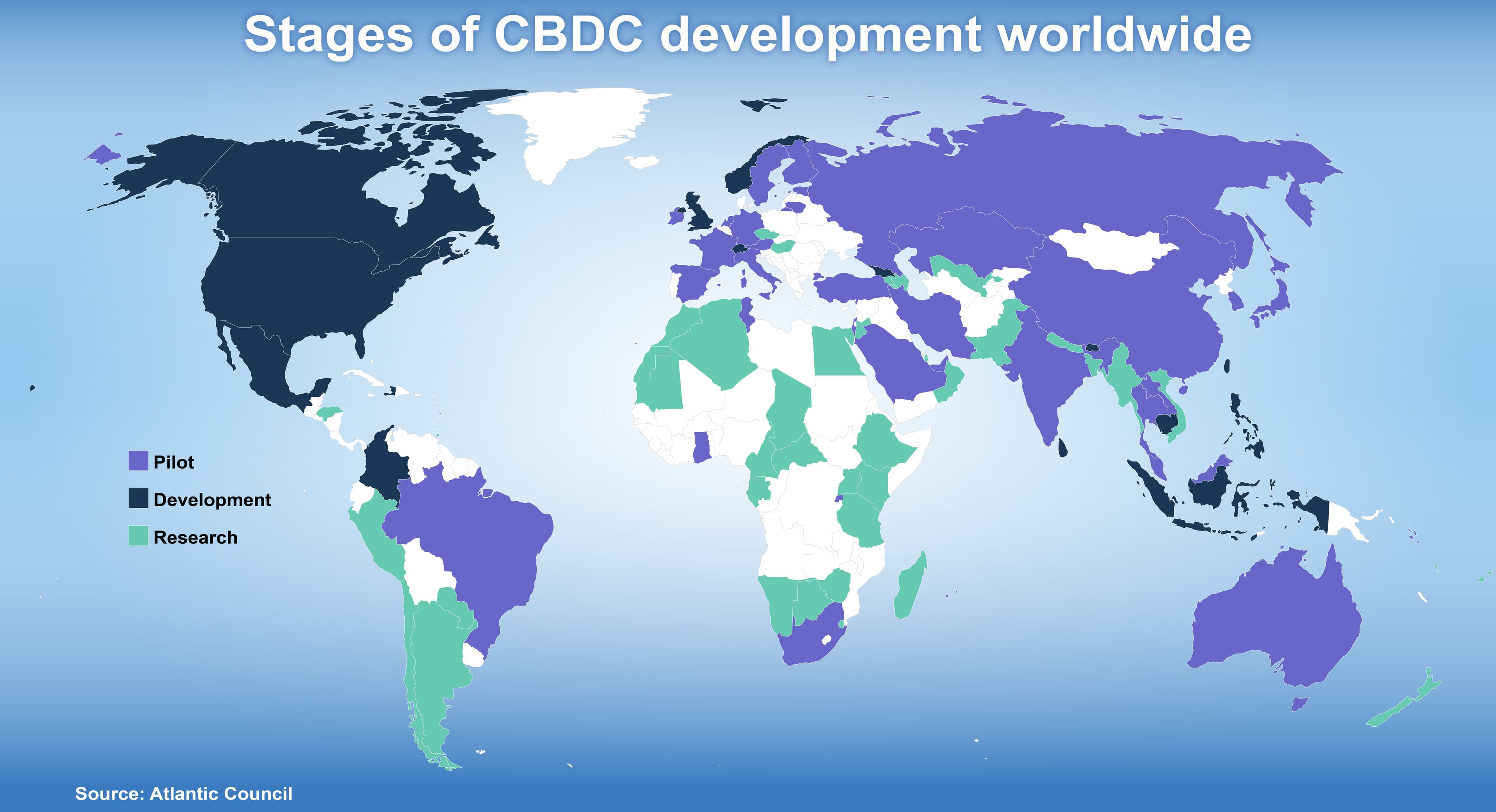
As of 2024, 134 countries representing 98% of global GDP are exploring Central Bank Digital Currencies. China's digital yuan (e-CNY) already allows the government to monitor transactions in real-time, set expiration dates on money, and restrict purchases. The ECB's digital euro proposal includes potential spending limits and transaction monitoring. Nigeria's eNaira was linked to a cashless policy that caused widespread protests. Privacy advocates warn CBDCs could enable governments to freeze accounts, implement negative interest rates, and create financial social credit systems.
“134 countries are building digital currencies that can track every purchase, expire your money, and freeze your account. This is the end of financial privacy.”
From “crazy” to confirmed
The Claim Is Made
This is the moment they called it crazy.
For years, warnings about Central Bank Digital Currencies enabling mass financial surveillance were dismissed as conspiracy theory—the paranoid fantasies of privacy cranks and crypto enthusiasts. Governments and central banks assured the public that CBDCs were simply modernizing money, nothing more. Yet as 2024 arrived, 134 countries representing 98% of global GDP were actively exploring or developing their own versions. What had once been fringe concern became undeniable reality, though not always in the ways skeptics imagined.
The original claim was straightforward: digital currencies controlled by governments could become tools for unprecedented financial monitoring and control. Critics were told they were confusing fiction with fact. "CBDCs will respect privacy," central bankers repeated at conferences. "We're not tracking anyone." The narrative was consistent across Washington, Brussels, and most developed economies. This was about efficiency, financial inclusion, and competing with cryptocurrencies—certainly not surveillance.
Then China went first. The digital yuan, officially launched in 2020 but rapidly expanded, revealed capabilities that changed the conversation entirely. According to research from the CATO Institute, China's e-CNY system allows government agencies to monitor transactions in real-time. But it goes further. The Chinese government can set expiration dates on digital money, forcing citizens to spend it by certain deadlines. They can restrict what purchases are permitted. They can freeze accounts instantly. This wasn't speculation—this was documented, functioning technology being deployed at scale.
The European Central Bank's proposed digital euro began showing similar architecture. While European officials emphasized privacy protections, the technical specifications included provisions for transaction monitoring and potential spending limits. The ECB wasn't hiding this; it was in their working papers. The difference was that Chinese implementation was transparent about its control mechanisms while European proposals wrapped identical features in privacy rhetoric.
Get the 5 biggest receipts every week, straight to your inbox — plus an exclusive PDF: The Top 10 Conspiracy Theories Proven True in 2025-2026. No spam. No agenda. Just the papers they couldn't hide.
You just read "134 countries are developing CBDCs that could track every tr…". We send ones like this every week.
No one's said anything yet. Be the first to drop your take.
Nigeria's experience offered another critical data point. The eNaira, launched in 2021, became entangled with government cashless policies that restricted withdrawal limits and access to physical currency. Mass protests erupted. Farmers couldn't access their money for seeds. Small businesses collapsed. This wasn't theoretical harm—it was immediate financial repression enabled by CBDC architecture.
The Atlantic Council's CBDC Tracker documented which countries were moving fastest and why. Several developing nations were explicitly attracted to CBDCs because of the control they offered. Financial inclusion was mentioned, but the surveillance apparatus was the feature, not a bug.
What's striking is how the original claim proved simultaneously true and incomplete. Yes, CBDCs enable transaction tracking and financial control. But the extent varies dramatically by country, and so does the rhetoric around them. Chinese officials openly discuss financial compliance and behavioral management. Western officials describe privacy protections while building similar technical capabilities. Both approaches show the same underlying reality: CBDCs fundamentally change the relationship between citizens and their money.
The lesson here isn't that paranoid warnings were entirely accurate. It's that public institutions moved forward with transformative technology while dismissing concerns as conspiracy theory. When evidence finally emerged, it was because other governments implemented the systems first. The debate shouldn't have required waiting for China to prove the point. It should have happened before 134 countries committed to deployment.
This matters for public trust because it shows how institutional dismissal works. When legitimate concerns are labeled conspiracy thinking, people stop believing institutions on any topic—legitimate or not.
Beat the odds
This had a 0.2% chance of leaking — someone talked anyway.
Conspirators
~150Network
Secret kept
3.3 years
Time to 95% exposure
500+ years