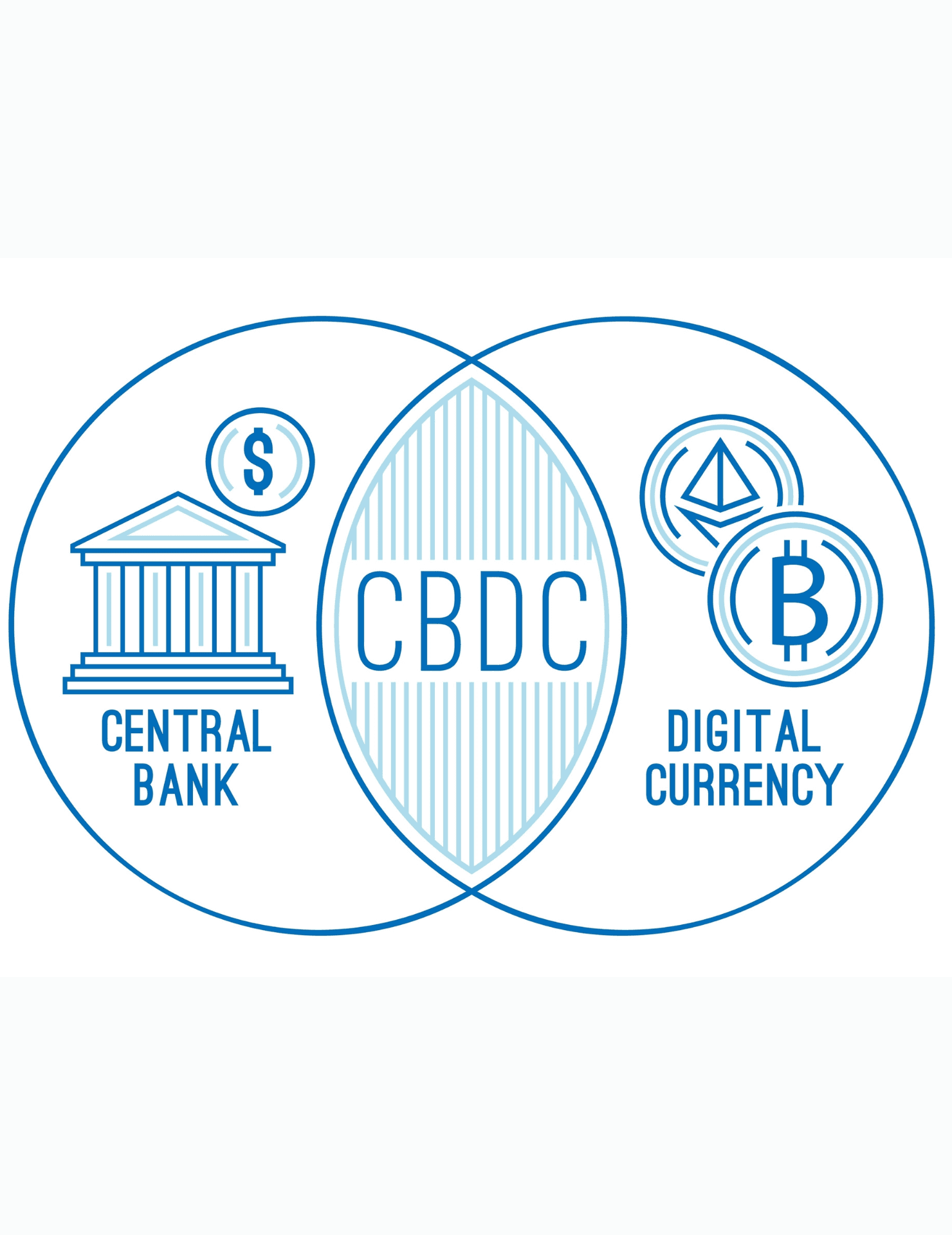
Concerns about CBDCs as government surveillance tools went from fringe to mainstream policy. Congress introduced the 'CBDC Anti-Surveillance State Act' and in May 2024 passed legislation prohibiting the Federal Reserve from issuing a CBDC without congressional approval. China's integration of social surveillance with its digital yuan validated privacy fears. The European Data Protection Supervisor flagged CBDCs as a major privacy concern, and multiple countries paused CBDC development over surveillance risks.
“Central bank digital currencies will be used to track, control, and restrict how citizens spend their money — programmable money is a surveillance tool.”
What they said vs. what the evidence shows
“A digital dollar would be designed with robust privacy protections. A CBDC would not be a surveillance tool.”
— Federal Reserve / ECB officials · Jan 2022
SourceFrom “crazy” to confirmed
The Claim Is Made
This is the moment they called it crazy.
When digital currency researchers first warned that central bank digital currencies could enable mass financial surveillance, they were largely dismissed as conspiracy theorists worried about dystopian scenarios that would never materialize. Financial regulators and policy makers insisted CBDCs were simply modernized money—convenient, efficient, and no different in surveillance potential than existing digital banking systems. The technology was presented as inevitable progress, with concerns about privacy treated as naive obstacles to innovation.
Yet within just a few years, the conversation shifted dramatically. What began as warnings from a handful of technologists and privacy advocates became the subject of serious congressional legislation. The introduction of the CBDC Anti-Surveillance State Act (H.R. 5403) represented a stunning reversal: lawmakers were now actively legislating against the exact surveillance capabilities that skeptics had been warning about all along.
The concrete evidence for these concerns emerged from multiple directions simultaneously. China's integration of its digital yuan with its existing social credit system provided the clearest real-world validation. The surveillance apparatus wasn't theoretical—it was operational. A government could now track not just transaction amounts and recipients, but use the data points to enforce compliance with social policies, restrict access to money based on behavior, and monitor spending patterns in ways that cash transactions had previously made impossible.
Equally significant was the formal warning from the European Data Protection Supervisor, an independent EU authority tasked with protecting fundamental rights. Their assessment wasn't alarmist opinion—it was a systematic evaluation that identified s as creating major privacy risks by their technical architecture. This institutional recognition that the concerns had merit forced regulators across Europe to reconsider their timelines.
Get the 5 biggest receipts every week, straight to your inbox — plus an exclusive PDF: The Top 10 Conspiracy Theories Proven True in 2025-2026. No spam. No agenda. Just the papers they couldn't hide.
You just read "Central Bank Digital Currencies (CBDCs) enable unprecedented…". We send ones like this every week.
No one's said anything yet. Be the first to drop your take.
In May 2024, Congress didn't just introduce symbolic legislation. They actually passed requirements that the Federal Reserve could not issue a CBDC without explicit congressional approval. This wasn't a fringe victory—it represented mainstream acceptance that the surveillance concern was substantial enough to warrant legal guardrails.
What's remarkable about this progression is how quickly the narrative changed once implementation began. When CBDCs were theoretical, privacy concerns were dismissible. Once countries started building them and integrating them with existing surveillance infrastructure, the risks became undeniable. Multiple nations subsequently paused their CBDC development specifically citing surveillance risks that had been raised years earlier by people labeled as paranoid.
The significance here extends beyond digital currency policy. This case demonstrates a recurring pattern: concerns about technological surveillance are often reframed as hysteria until the technology reaches deployment stage, at which point the concerns suddenly become obvious. Decision-makers and institutions have strong incentives to minimize privacy risks before implementation becomes politically difficult.
What this means for public trust is sobering. Those who raised early warnings about CBDC surveillance were right, but they faced years of dismissal before institutional validation arrived. This creates a credibility problem: how many other emerging technology warnings are being dismissed today that will prove prescient tomorrow? The institutions that dismissed CBDC surveillance concerns now expect the public to trust their assessment of other technological risks. That's a difficult ask after being demonstrably wrong on a major issue.
The CBDC case suggests that on questions of technological surveillance, institutional skepticism of early warnings may be the least reliable approach we have.
Beat the odds
This had a 0.3% chance of leaking — someone talked anyway.
Conspirators
~150Network
Secret kept
5.3 years
Time to 95% exposure
500+ years