From 1997 to 2004, Chiquita Brands International made over 100 payments totaling $1.7 million to the United Self-Defense Forces of Colombia (AUC), a designated terrorist organization responsible for massacres and human rights atrocities. In 2007, Chiquita pleaded guilty and paid a $25 million fine. In June 2024, a Florida jury found Chiquita liable and ordered $38.3 million in damages to victims' families. In July 2025, a Colombian court convicted seven Chiquita executives, sentencing them to 11 years in prison.
“Chiquita is paying the paramilitaries who are killing our people. The banana company is funding terror to keep workers from organizing.”
From “crazy” to confirmed
The Claim Is Made
This is the moment they called it crazy.
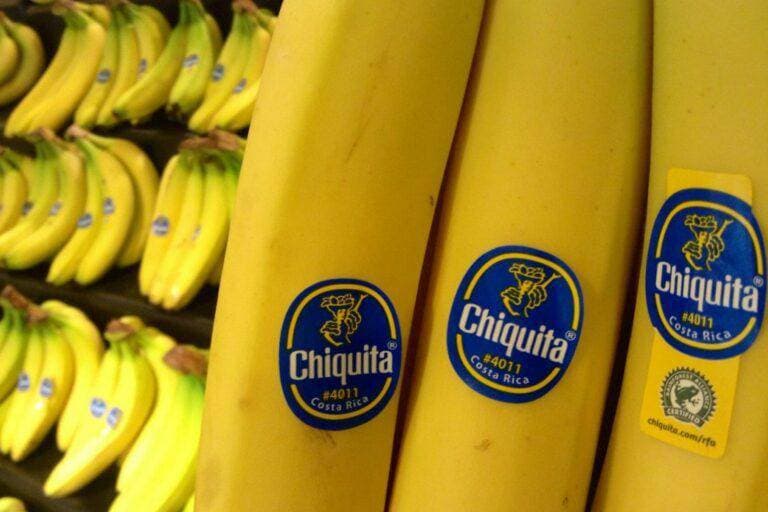
For decades, Chiquita Brands International was known for one thing: bananas. The iconic yellow fruit bearing the company's sticker sat in grocery stores across America, a symbol of tropical abundance and American corporate success. What wasn't visible on those stickers was the darker reality unfolding in Colombian banana plantations—a reality the company would eventually admit to in federal court.
Between 1997 and 2004, Chiquita made over 100 payments totaling $1.7 million to the AUC, the United Self-Defense Forces of Colombia. The AUC was not some obscure local militia. It was a designated terrorist organization responsible for massacres, forced displacement, and widespread human rights atrocities that left thousands dead. For seven years, one of America's most recognizable corporations was systematically bankrolling terrorism on the ground in Colombia.
When accusations first emerged, Chiquita's response was defensive. The company framed the payments as protection money—a necessary cost of doing business in a dangerous region, not criminal support for terrorism. This argument had a certain logic to it, the kind that plays well in boardrooms and press releases. The company suggested it was a victim of circumstances, caught between the difficult realities of operating in a conflict zone and its responsibility to protect employees. It was a narrative designed to blur culpability through moral ambiguity.
The evidence told a different story. Department of Justice documents and court filings revealed something far more deliberate than a company trapped by circumstance. Chiquita's payments were systematic, documented in internal records, and made with full knowledge of the AUC's terrorist designation. The company wasn't paying for protection in a passive sense. Its money was flowing directly to an organization committing atrocities against Colombian civilians—many of whom lived in the same regions where Chiquita operated its plantations.
Get the 5 biggest receipts every week, straight to your inbox — plus an exclusive PDF: The Top 10 Conspiracy Theories Proven True in 2025-2026. No spam. No agenda. Just the papers they couldn't hide.
You just read "Chiquita Brands pleaded guilty to funding a designated terro…". We send ones like this every week.
No one's said anything yet. Be the first to drop your take.
Confirmed: They Were Right
The truth comes out. Officially documented.
Confirmed: They Were Right
The truth comes out. Officially documented.
In 2007, Chiquita pleaded guilty to making payments to a designated terrorist organization, marking a rare admission of corporate wrongdoing. The company paid a $25 million fine, a substantial sum that nonetheless amounted to a rounding error compared to its annual revenues. The plea satisfied federal prosecutors, and for many Americans, the case was closed. The company had admitted guilt, paid the penalty, and moved forward.
But the families of victims knew better. In June 2024—nearly two decades after the payments ended—a Florida jury found Chiquita liable for the deaths and injuries caused by the AUC violence it had funded. The jury awarded $38.3 million in damages to victims' families. A month later, in July 2025, a Colombian court convicted seven Chiquita executives, sentencing each to 11 years in prison.
This case matters not because it involves bananas or a recognizable brand name. It matters because it demonstrates how American corporations operated in conflict zones with minimal accountability, how initial denials and limited consequences gave way to prolonged legal consequences, and how victims' voices eventually prevailed despite years of institutional resistance.
The broader question lingers: how many other arrangements between American corporations and designated terrorist organizations remain undiscovered or unexamined?
Beat the odds
This had a 0.2% chance of leaking — someone talked anyway.
Conspirators
~100Network
Secret kept
4 years
Time to 95% exposure
500+ years