CIA claimed it operated only overseas, but internal memos documented mail opening, surveillance of Americans, and assassination plots against foreign leaders.
“The CIA operates strictly within its charter and does not conduct domestic intelligence operations”
From “crazy” to confirmed
The Claim Is Made
This is the moment they called it crazy.
For decades, the Central Intelligence Agency maintained a simple public position: it operated overseas, period. Domestic surveillance was someone else's job. That clean narrative collapsed in 1975 when the agency itself was forced to admit what it had actually been doing.
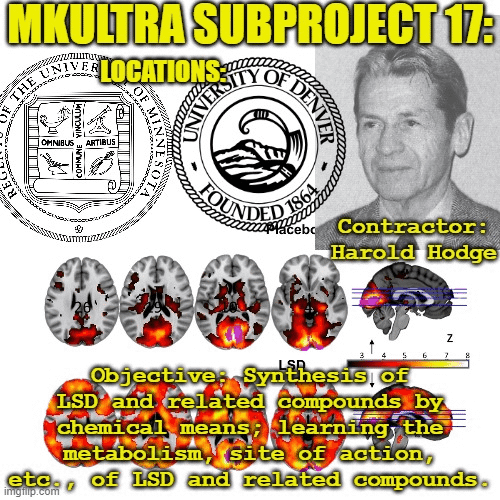
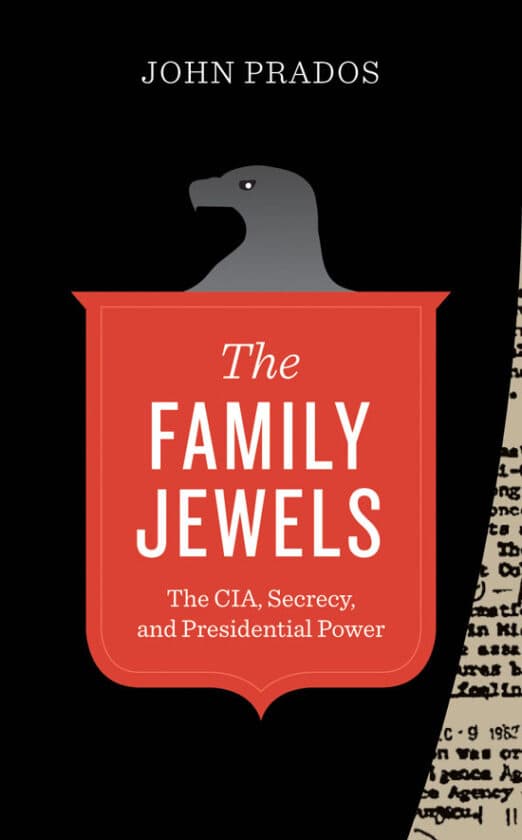
The admission came through what became known as the Family Jewels—a classified internal CIA document that catalogued years of illegal operations conducted on American soil. These weren't minor infractions or gray areas. The memos detailed systematic mail opening programs targeting American citizens, widespread surveillance of domestic political organizations, and assassination plots against foreign leaders including Fidel Castro.
Before these documents surfaced, the CIA's public position was unambiguous. Officials insisted the agency's charter restricted it to foreign intelligence gathering. Any suggestion that CIA resources were being used to monitor Americans or interfere in their constitutional activities was dismissed as paranoia or conspiracy thinking. When journalists or congressional critics raised questions about domestic operations, they were often treated as uninformed or hostile to national security.
The Family Jewels changed that calculation overnight. The documents didn't emerge from investigative journalism or whistleblowing in the traditional sense. Instead, CIA Director William Colby, under pressure from Congress and investigative committees, formally acknowledged the existence of these programs and their illegal nature. The agency had to admit what its own internal records showed: that it had conducted Operation CHAOS, a surveillance program targeting anti-war activists and civil rights organizations; that it had opened mail of thousands of Americans without warrants; and that it had plotted to assassinate foreign leaders.
Get the 5 biggest receipts every week, straight to your inbox — plus an exclusive PDF: The Top 10 Conspiracy Theories Proven True in 2025-2026. No spam. No agenda. Just the papers they couldn't hide.
You just read "CIA's Family Jewels documents revealed decades of illegal do…". We send ones like this every week.
No one's said anything yet. Be the first to drop your take.
This wasn't a case of documents being misinterpreted or taken out of context. The CIA's own memos explicitly stated these activities violated federal law and the agency's own charter. There was no legitimate debate about whether the operations had occurred—the evidence came from the institution itself.
The significance of the Family Jewels extends beyond the specific operations that were exposed. The documents demonstrated that a government agency could operate in direct violation of law for extended periods while maintaining a false public narrative. It showed how institutions can compartmentalize illegal activities, how oversight mechanisms can fail, and how official denials can persist even when decision-makers know those denials are false.
What makes this case instructive is that the truth emerged not because external pressure alone forced disclosure, but because the documentary evidence was irrefutable. No amount of denying or spin could overcome what the agency's own memos established. This created a credibility crisis that extended far beyond the CIA—it fundamentally altered how the American public viewed government institutions and their claims about domestic security operations.
The lesson isn't that government always lies or that all official statements should be dismissed. Rather, it's that institutional claims about operating within legal bounds require verification, especially when the institutions themselves control the relevant information. The Family Jewels proved that even the most emphatic public assurances deserve scrutiny when backed only by assertion rather than evidence.
Beat the odds
This had a 4% chance of leaking — someone talked anyway.
Conspirators
~200Network
Secret kept
50.9 years
Time to 95% exposure
500+ years