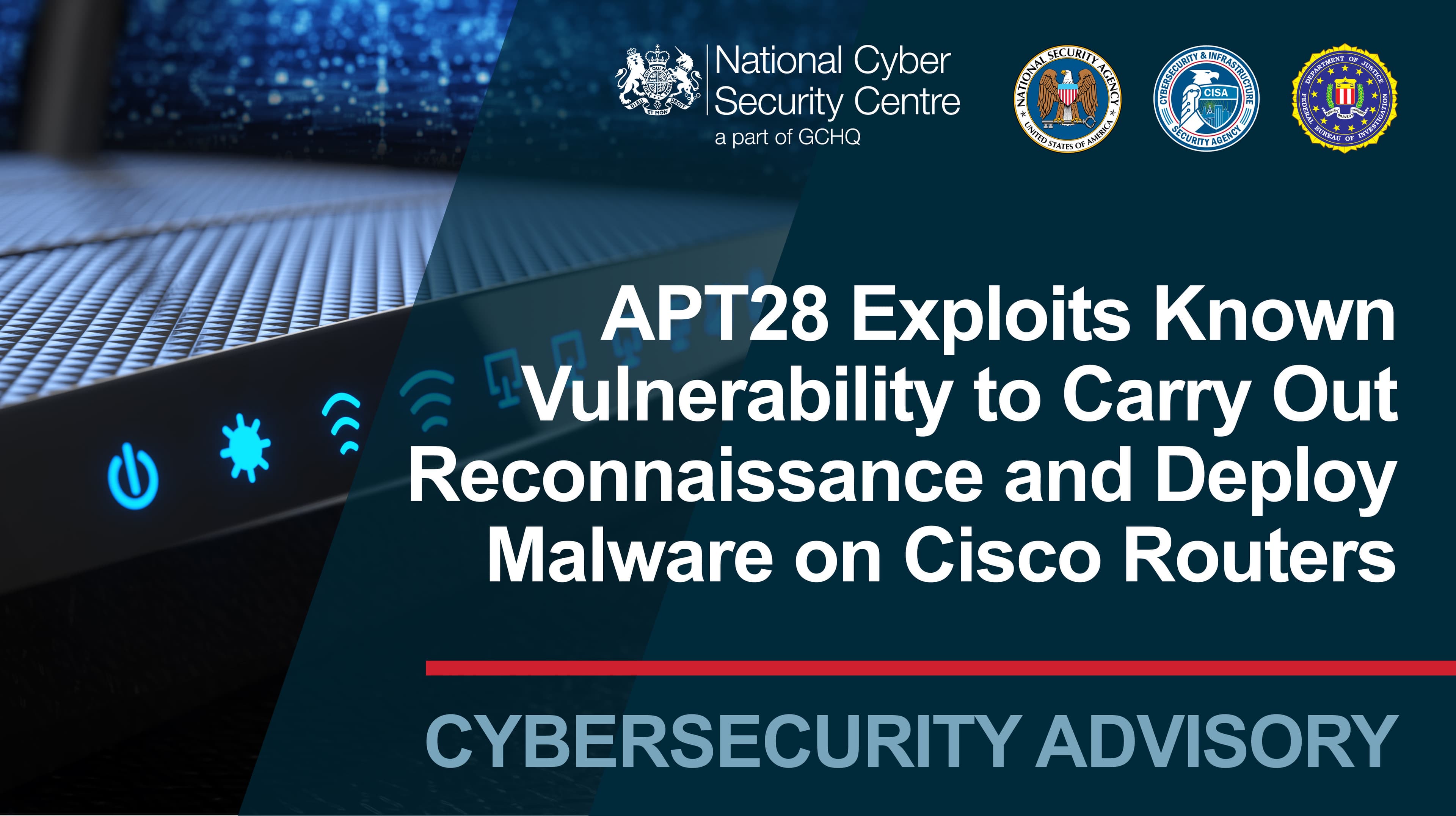
Leaked NSA documents revealed Tailored Access Operations intercepted Cisco equipment to install backdoors. Company products were compromised before reaching customers.
“Cisco does not work with any government to weaken our products for surveillance purposes or to implement backdoors.”
From “crazy” to confirmed
The Claim Is Made
This is the moment they called it crazy.
For years, IT administrators and security professionals knew something was off about Cisco routers. They noticed unusual traffic patterns, suspicious access points, and capabilities that shouldn't exist in standard equipment. But when they raised concerns, their warnings were dismissed as paranoia or technical misunderstanding.
Then in 2013, Edward Snowden's NSA leaks changed everything.
The documents revealed that the NSA's Tailored Access Operations division—the agency's elite hacking unit—had been systematically intercepting Cisco routers before they reached customers. The NSA didn't just find vulnerabilities in existing equipment; they were installing backdoors during the manufacturing and shipping process itself. This wasn't a theoretical risk or a potential weakness. This was documented, operational reality.
What makes this particularly significant is the timeline. The interception program had been running for years without any public knowledge. Customers believed they were purchasing secure networking equipment from a trusted vendor. Government agencies, corporations, and institutions worldwide were installing compromised routers, thinking they were protecting their networks. The truth was far darker.
Cisco's initial response typified corporate damage control. The company expressed shock and claimed they had no knowledge of NSA access to their supply chain. They suggested that if such interceptions occurred, they happened outside Cisco's control and without the company's cooperation. This framing—that Cisco was as much a victim as their customers—became the official narrative pushed to reassure investors and clients.
Get the 5 biggest receipts every week, straight to your inbox — plus an exclusive PDF: The Top 10 Conspiracy Theories Proven True in 2025-2026. No spam. No agenda. Just the papers they couldn't hide.
You just read "Cisco Routers Contained Secret NSA Backdoors for Years". We send ones like this every week.
No one's said anything yet. Be the first to drop your take.
But the Snowden documents told a different story. The leaked files from the NSA's Tailored Access Operations unit showed detailed procedures for interdicting equipment. The agency had established relationships and methods for intercepting shipments at specific points in the distribution chain. This wasn't a casual exploitation of existing vulnerabilities; it was an industrial-scale operation with dedicated resources, documented procedures, and clear objectives.
The evidence extended beyond the raw claims. Interviews with former NSA officials confirmed the program's scope and sophistication. Security researchers analyzing the leaked materials identified specific attack vectors and backdoor mechanisms that matched the equipment intercepted during this period. Independent verification corroborated the fundamental claim: American networking equipment had been systematically compromised by the government before reaching its destination.
What followed was a crisis of confidence that rippled through the technology industry. If Cisco routers could be secretly modified, what other equipment was compromised? The revelation that the NSA was willing and able to intercept supply chains forced companies worldwide to reconsider fundamental assumptions about where their hardware came from and whether they could trust it.
The Cisco router backdoors represent more than a single breach or security vulnerability. They symbolize a moment when documented government overreach proved that longstanding suspicions—dismissed as conspiracy thinking—were actually accurate. Security professionals, privacy advocates, and informed skeptics had warned about supply chain vulnerabilities and government access to infrastructure. They were told they were paranoid. The leaks proved them correct.
Today, the question isn't whether this happened. The NSA's own documents confirmed it. The real question is what else remains unknown, and why public trust in American technology companies has fundamentally changed since 2013. Some warnings, it turns out, weren't paranoia at all.
Beat the odds
This had a 0.7% chance of leaking — someone talked anyway.
Conspirators
~150Network
Secret kept
12 years
Time to 95% exposure
500+ years