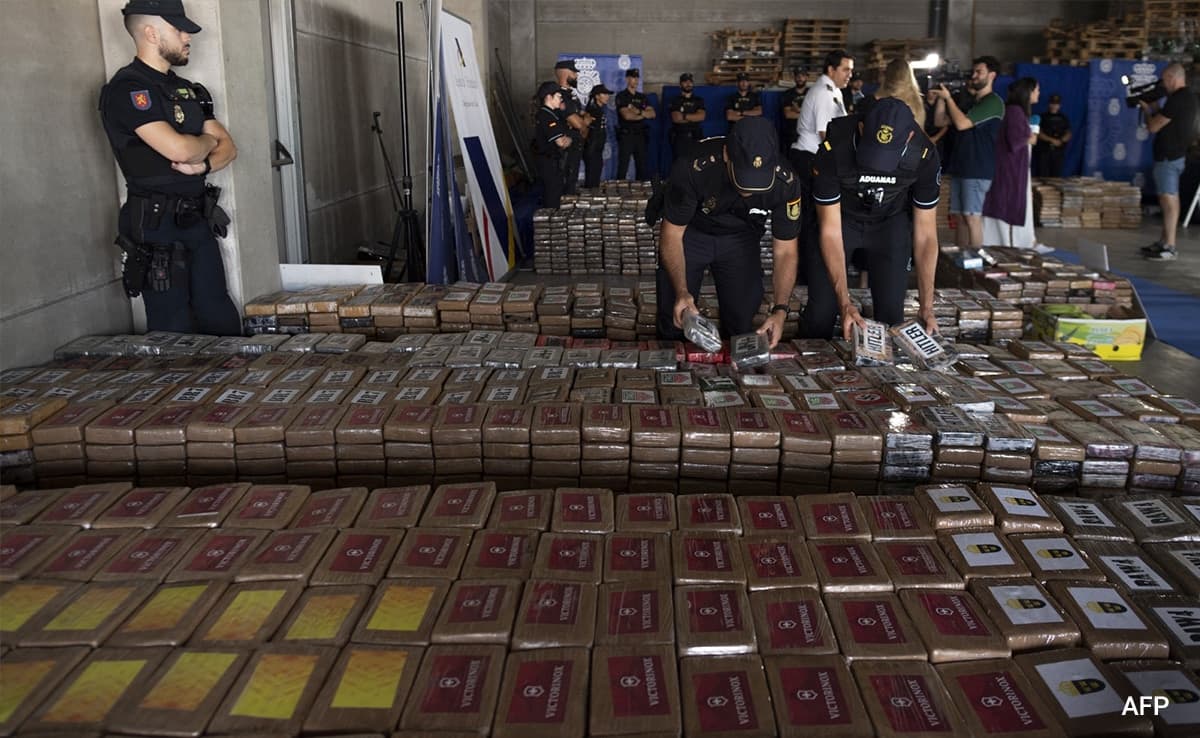
Civil asset forfeiture allows police to seize property from people suspected of involvement in crime without ever charging them. Since 2000, the federal government alone has seized over $68.8 billion. In 2014, law enforcement took more property from Americans than burglars did. An estimated 80% of forfeitures are never contested because legal costs exceed the value of seized property. The DOJ's Equitable Sharing Program lets local police bypass state restrictions by partnering with federal agencies.
“In America, the police can take your cash, your car, your house — without charging you with a crime. And they keep it. It's legalized theft.”
From “crazy” to confirmed
The Claim Is Made
This is the moment they called it crazy.
When civil rights advocates first raised alarms about police seizing cash and property from citizens without formal charges, skeptics dismissed it as exaggeration. They said it was a fringe problem, limited to a few bad actors. The Institute for Justice and journalists investigating the practice knew better.
The claim was straightforward but difficult to fathom: American law enforcement had seized more assets through civil forfeiture than burglars had stolen in a single year. By 2014, according to Washington Post reporting, police took approximately $5.1 billion in property compared to roughly $3.9 billion lost to burglary. The gap has only widened since.
For decades, the official position from law enforcement agencies and some government officials was that civil asset forfeiture was a necessary tool to combat drug trafficking and organized crime. Proponents argued it disrupted criminal enterprises by targeting their financial infrastructure. The system was portrayed as a precision instrument, used only against genuine wrongdoers. Few questioned whether it was being abused at scale.
But the numbers told a different story. According to the Institute for Justice's comprehensive research, the federal government alone seized $68.8 billion in assets since 2000. The Washington Post's investigation revealed that law enforcement agencies across the country were using forfeiture less as a targeted anti-crime measure and more as a revenue generator. Traffic stops in rural areas, small-scale cash seizures, and property confiscations became routine.
What made the claim particularly damning was the documentation of how the system operated in practice. The DOJ's Equitable Sharing Program allowed local police departments to bypass their own state's restrictions on forfeiture by partnering with federal agencies. This meant that if a state legislature restricted the practice, police could simply work with federal partners and split the proceeds. A driver carrying cash could have their money seized on suspicion alone—suspicion that never resulted in charges.
Get the 5 biggest receipts every week, straight to your inbox — plus an exclusive PDF: The Top 10 Conspiracy Theories Proven True in 2025-2026. No spam. No agenda. Just the papers they couldn't hide.
You just read "Police seized $68.8 billion in assets from Americans — most …". We send ones like this every week.
No one's said anything yet. Be the first to drop your take.
Confirmed: They Were Right
The truth comes out. Officially documented.
Confirmed: They Were Right
The truth comes out. Officially documented.
The evidence also showed why so few cases were ever contested. An estimated 80% of forfeitures go unchallenged. The reason is brutally simple: the cost of hiring a lawyer to fight for property worth $1,000 or $2,000 exceeds the value of the property itself. For most victims, surrender is more economical than litigation. This structural reality meant that innocent people had little practical recourse.
The Institute for Justice documented hundreds of cases where people were never charged with crimes yet never recovered their seized assets. A man detained for a traffic violation lost his car. A small business owner's cash deposits were seized at the airport. These weren't isolated incidents—they were patterns embedded in the system.
This matters because it reveals a fundamental disconnect between how Americans believe their justice system works and how it actually operates. Citizens assume that property can only be taken after conviction in a court of law. Civil asset forfeiture inverts that principle: property is taken first, and proving innocence becomes the owner's burden, one they often cannot afford to bear.
The claim has proven true not because of partisan exaggeration but because of methodical data collection and investigative reporting. It demonstrates why public trust in institutions requires constant scrutiny, especially when those institutions control the machinery of law enforcement and property rights.
Beat the odds
This had a 0.2% chance of leaking — someone talked anyway.
Conspirators
~50Network
Secret kept
9.1 years
Time to 95% exposure
500+ years