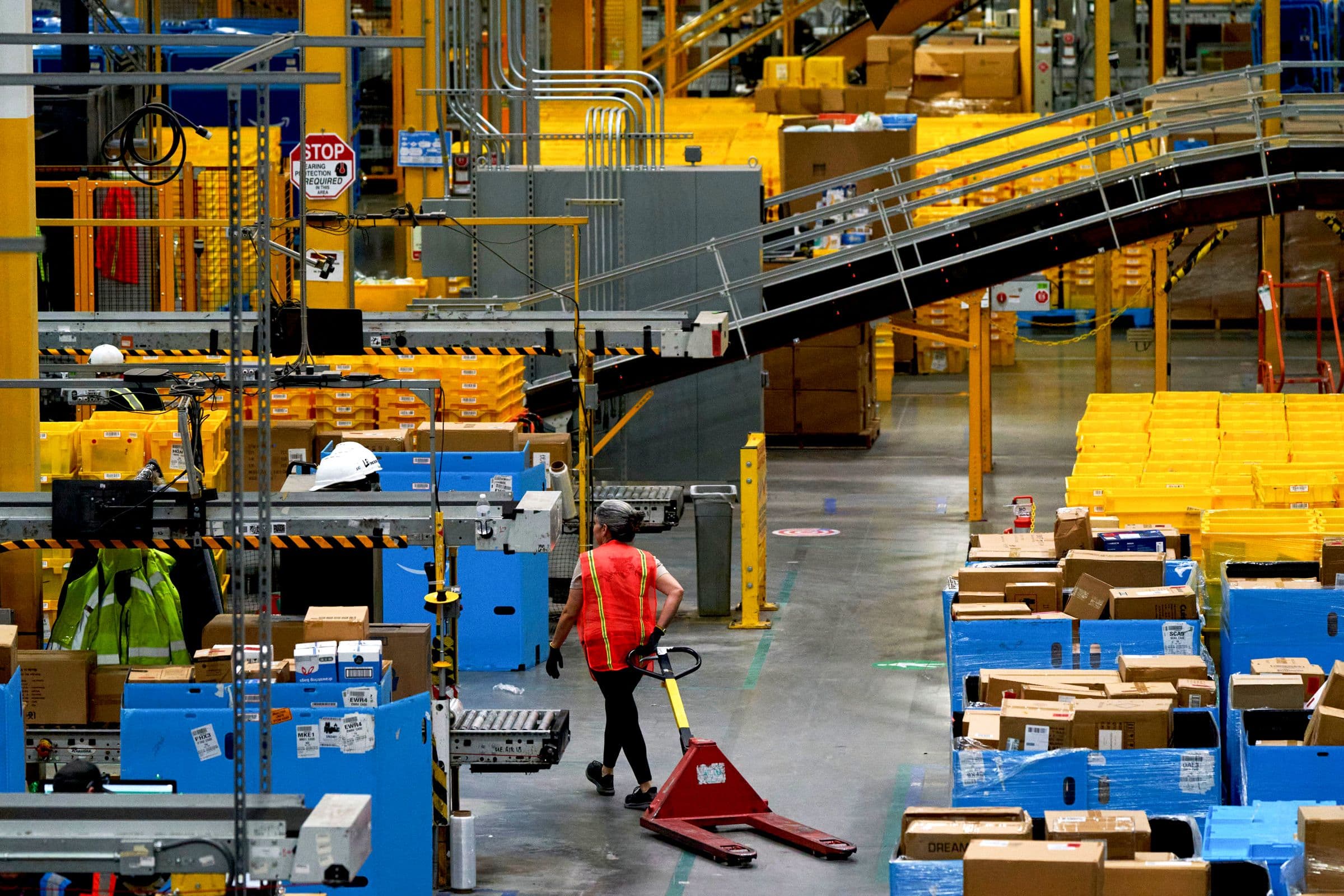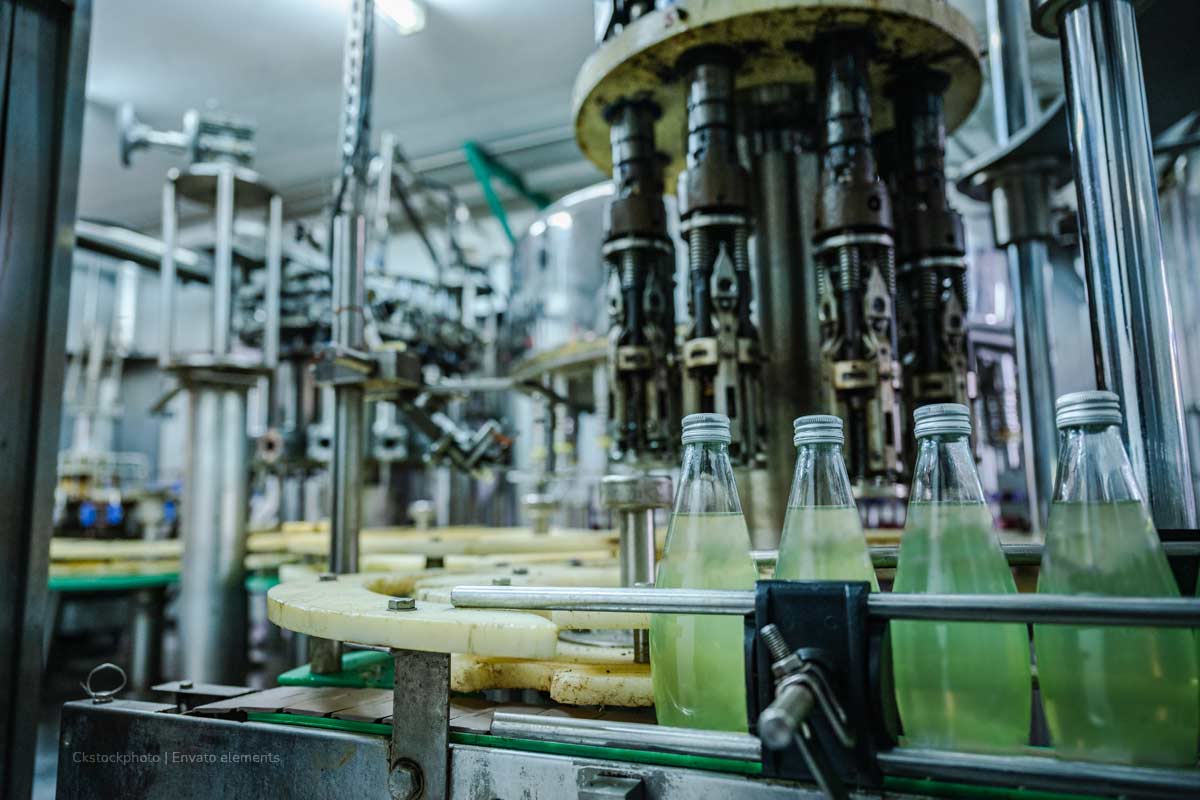
In Colombia, right-wing paramilitary squads of the AUC showed up at Coca-Cola bottling plants to intimidate, beat, and kill union leaders from Sinaltrainal. On December 5, 1996, paramilitaries murdered union leader Isidro Gil at the gate of the Coke bottling plant in Carepa. Witnesses said the paramilitaries told union activists 'quit the union or die.' A $500 million lawsuit was filed under the Alien Tort Claims Act. Since 1986, over 3,800 trade unionists were assassinated in Colombia, with bottling plant workers specifically targeted.
“Coca-Cola's bottling operations in Colombia are complicit in the murder of trade union leaders. Paramilitaries who murder our members operate freely inside and around Coke plants.”
From “crazy” to confirmed
The Claim Is Made
This is the moment they called it crazy.
On December 5, 1996, union leader Isidro Gil was shot dead outside a Coca-Cola bottling plant in Carepa, Colombia. Witnesses reported that armed paramilitaries had delivered a chilling message to union activists beforehand: quit the union or die. This wasn't an isolated incident—it was part of a documented pattern of violence that would eventually force a reckoning with one of the world's most recognizable corporations.
For decades, Coca-Cola Company officials denied any connection to the violence. The company maintained that bottling operations in Colombia were independent franchises beyond their direct control, and that they bore no responsibility for what paramilitaries did in the surrounding region. When union organizers from Sinaltrainal—Colombia's largest beverage industry union—began reporting systematic intimidation and murders of their members at Coca-Cola plants, the company's response was consistent: these were local security matters, not corporate accountability issues.
But court documents and investigative reporting told a different story. Between 1986 and the late 1990s, over 3,800 trade unionists were assassinated across Colombia, with workers at Coca-Cola bottling plants specifically targeted by right-wing paramilitary squads belonging to the AUC, or United Self-Defense Forces of Colombia. The pattern was unmistakable: paramilitaries would appear at plant gates, threaten union organizers, and when unionists refused to abandon their efforts, people died.
The violence against Sinaltrainal members wasn't random gang activity—it was coordinated intimidation designed to break union organizing at Coca-Cola facilities. The paramilitaries' message was explicit and terrifying: comply with management's wishes or face execution. Union leaders like Isidro Gil became martyrs to this campaign, murdered in broad daylight at locations where security should have been tightest.
In response to mounting evidence, a $500 million lawsuit was filed under the Alien Tort Claims Act, a legal provision that allows foreign nationals to sue in U.S. courts for violations of international law. The case—Sinaltrainal v. Coca-Cola Co.—represented an attempt to hold the company accountable through American courts when Colombian institutions proved unable or unwilling to protect workers. The lawsuit documented not just the murders, but the company's alleged knowledge of and complicity in creating conditions that enabled the violence.
Get the 5 biggest receipts every week, straight to your inbox — plus an exclusive PDF: The Top 10 Conspiracy Theories Proven True in 2025-2026. No spam. No agenda. Just the papers they couldn't hide.
You just read "Coca-Cola bottling plants in Colombia linked to paramilitary…". We send ones like this every week.
No one's said anything yet. Be the first to drop your take.
What makes this claim "partially verified" rather than fully proven is the complexity of corporate liability in armed conflict zones. Courts have struggled with questions about whether a parent company is responsible for violence committed by independent franchisees or local actors. Yet the documented connection between Coca-Cola bottling plants and paramilitary activity remains undeniable, as does the company's initial denial and deflection.
This case matters because it reveals how global corporations can distance themselves from violence through franchise structures and corporate separations while workers face real danger. It demonstrates the gap between official denials and documented evidence. When a company claims it cannot control what happens at facilities bearing its name and selling its products, yet paramilitaries systematically target workers at those exact locations, the claim demands scrutiny.
The Coca-Cola case teaches us that sometimes the most important verifications come too late—after people have already died. Understanding what happened requires reading beyond corporate press releases and examining the trail of evidence that independent investigators and workers' organizations left behind.
Beat the odds
This had a 1.2% chance of leaking — someone talked anyway.
Conspirators
~100Network
Secret kept
29.4 years
Time to 95% exposure
500+ years