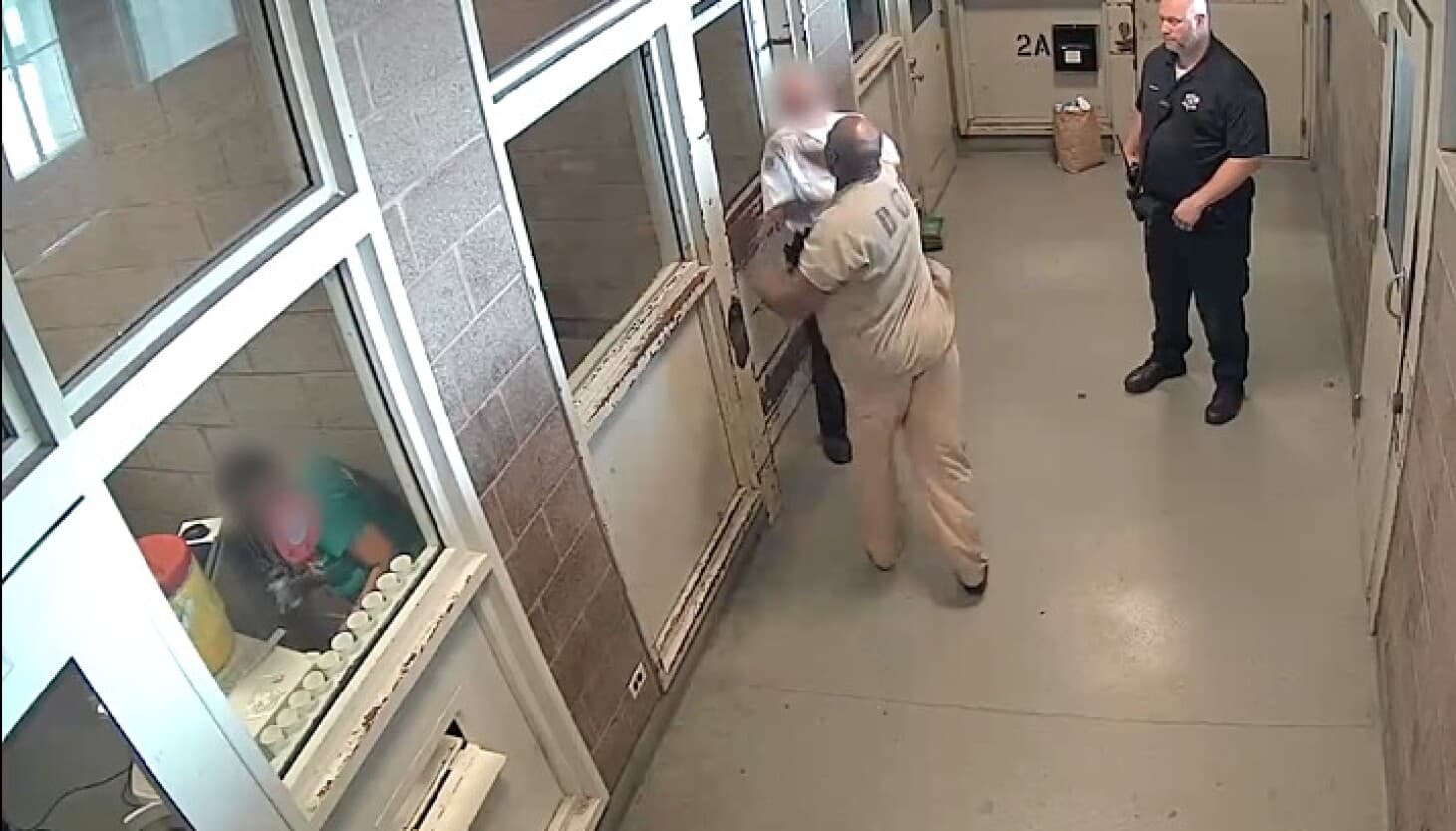
Chicago police commander Jon Burge and his team systematically tortured over 200 suspects from 1972-1991. The department and prosecutors covered up the abuse for decades.
“All confessions were obtained through lawful interrogation techniques”
From “crazy” to confirmed
The Claim Is Made
This is the moment they called it crazy.
For nearly two decades, Chicago police commander Jon Burge ran what amounted to an unofficial torture chamber at Cook County Jail. He and his detectives extracted confessions from over 200 suspects using electric shock, suffocation, and physical brutality—tactics they kept hidden while prosecutors built criminal cases on the coerced admissions. Most disturbing: it took decades of activism, journalism, and legal battles before the city officially acknowledged what had been happening in plain sight.
The allegations didn't emerge from some fringe corner of Chicago. Defense attorneys, family members, and prisoners themselves had been raising alarms since the early 1970s, documenting injuries, inconsistent statements, and suspicious confessions. Yet for years, the narrative was predictable: suspects were liars, defense lawyers were making excuses, and Burge was just an aggressive cop doing his job. The Chicago Police Department and Cook County State's Attorney's office stood by their officers. Judges largely accepted the confessions at face value.
What changed wasn't the evidence. The evidence was always there. What changed was persistence. Journalists began investigating. Law students and innocence projects started digging through case files. Torture survivors and their lawyers filed complaints and civil suits. By the early 2000s, the weight of documentation became impossible to ignore: burn marks, medical records describing injuries, multiple suspects in separate cases describing identical torture methods, and internal police communications that suggested commanders knew about the abuse.
In 2003, the Illinois legislature passed a law allowing people convicted on coerced confessions to challenge their convictions. By 2015, Cook County State's Attorney Anita Alvarez's office had vacated the convictions of 10 men tortured under Burge. In 2017, the city of Chicago settled a lawsuit for $5.5 million to cover torture victims' compensation. Burge himself was convicted of perjury and obstruction of justice in 2010 for lying about his conduct—a conviction that, while symbolic, could never undo the damage.
The numbers are staggering. Over 200 suspects. Hundreds of coerced confessions. Dozens of wrongful convictions. Some of those men spent decades in prison for crimes they didn't commit. Some were exonerated. Others died behind bars, their records still not fully cleared. The human cost remains incalculable.
What makes this case essential to understanding how institutions fail is that it wasn't the result of a few bad actors operating in a vacuum. It was systemic. Supervisors looked the other way. Prosecutors didn't investigate credible allegations. Judges accepted confessions without scrutiny. A entire apparatus protected itself rather than serving justice.
Today, this history serves as a crucial case study in how institutional denial works. When torture allegations first surfaced in the 1970s, they were treated as incredible. By the 2000s, they were undeniable. The only thing that changed was the accumulation of independent verification. This should matter to anyone who cares about whether police departments, courts, and government institutions can be trusted to police themselves—because Cook County proves they cannot without external pressure.
The Burge case isn't ancient history. It's a blueprint for how claims that authorities dismiss can eventually be proven true, and how long that process takes. That's the actual scandal.
Get the 5 biggest receipts every week, straight to your inbox — plus an exclusive PDF: The Top 10 Conspiracy Theories Proven True in 2025-2026. No spam. No agenda. Just the papers they couldn't hide.
You just read "Cook County Jail Guards Tortured Suspects to Extract False C…". We send ones like this every week.
No one's said anything yet. Be the first to drop your take.