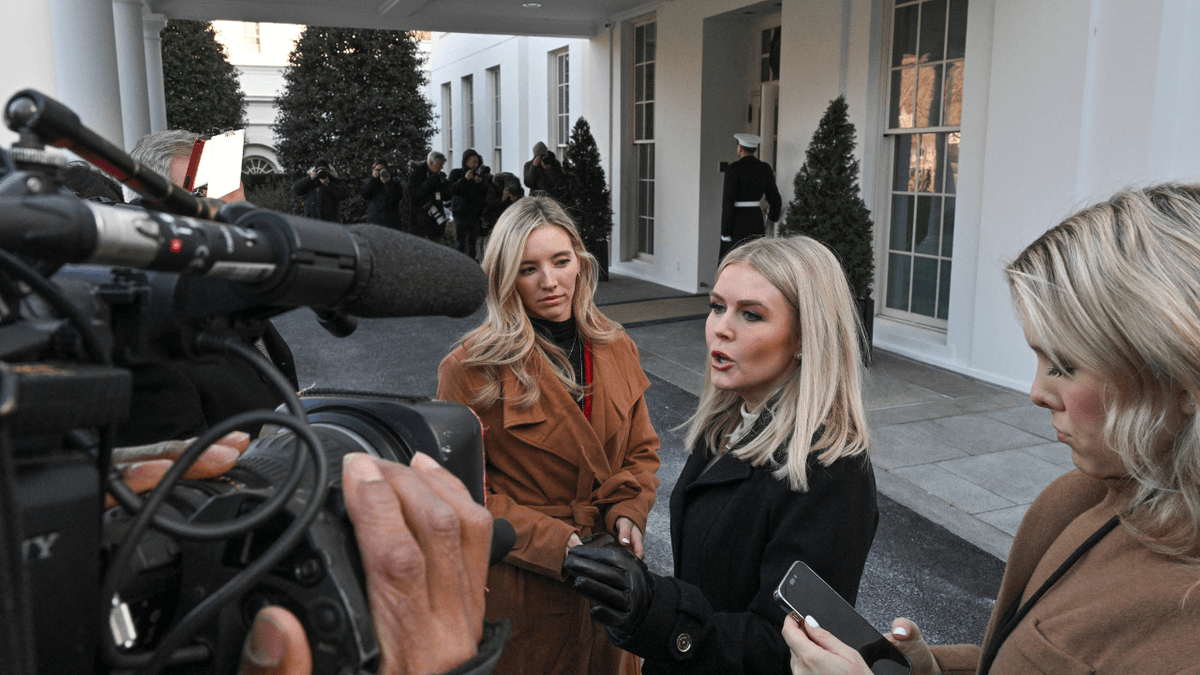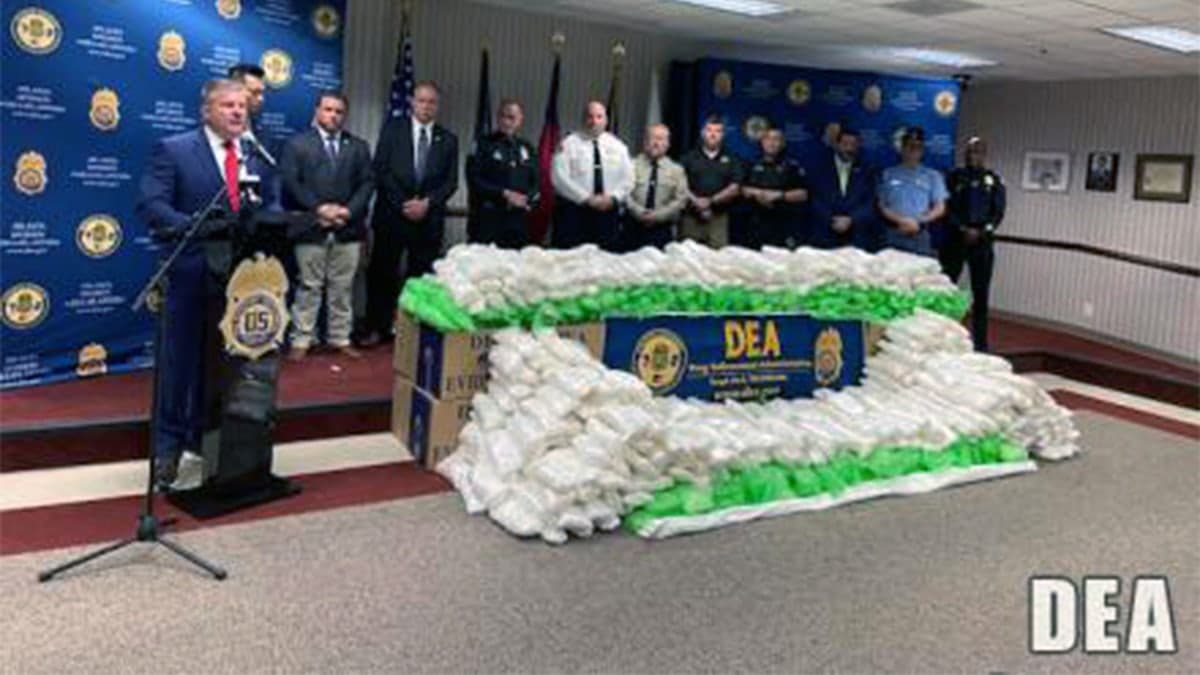
The DEA impersonated AP reporters and created fake news articles to lure suspects into clicking malicious links. AP officials were never informed of the impersonation scheme.
“Law enforcement agencies do not impersonate legitimate news organizations”
From “crazy” to confirmed
The Claim Is Made
This is the moment they called it crazy.
The Drug Enforcement Administration faced a credibility crisis when it was revealed that agents had impersonated Associated Press journalists to trick drug suspects into clicking malicious links. What made this particularly striking was that the AP itself had no idea the scheme was happening.
The revelation emerged from investigative reporting that documented how DEA operatives created entirely fabricated news articles and attributed them to real AP reporters, then used these fake stories as bait in digital traps. When suspects clicked on the links, they unknowingly installed malware or revealed their location and device information. The operation was neither brief nor isolated—it represented a systematic practice that went undetected for years.
When questions were first raised about the DEA's methods, federal officials downplayed the concerns. The agency didn't immediately volunteer information about the fake AP impersonation scheme. It wasn't until persistent reporting forced the issue that the full scope of what happened came into public view.
The evidence that proved this wasn't speculation came directly from AP News reporting that detailed exactly how the scheme worked. The AP had to investigate its own impersonation as a crime. The agency confirmed that real reporter names and AP branding were used without permission or notification. This wasn't a gray area or a matter of interpretation—it was documented deception carried out by a government entity.
What makes this case particularly significant is what it reveals about the relationship between federal law enforcement and the institutions meant to inform the public. The Associated Press exists partly to serve as a check on power, yet here was a federal agency borrowing AP's credibility without consent to conduct digital surveillance operations. Suspects couldn't distinguish between real journalism and government operations disguised as journalism.
The DEA's defense essentially amounted to: we were catching criminals. The ends-justify-the-means argument has some surface appeal when applied to drug enforcement. But it glosses over something fundamental—when government agencies can impersonate legitimate news organizations, the average person loses the ability to trust that what they're reading is actually journalism. The line between trustworthy information and potential government surveillance becomes invisible.
This matters beyond just drug cases. If the DEA felt comfortable doing this without informing the AP, what's to prevent other federal agencies from adopting similar tactics? Could the FBI create fake news stories? Could immigration enforcement agencies? Once the precedent exists, it becomes harder to argue it shouldn't be expanded.
The documented evidence here isn't circumstantial or disputed. It's confirmed reporting from one of America's oldest and most respected news organizations describing their own impersonation. The AP didn't approve it. They weren't consulted. They found out the same way the public did—through reporting.
For people trying to understand what's real and what isn't online, this case illustrates a particular kind of vulnerability. We rely on institutional reputations as shortcuts to determine what's trustworthy. When federal agencies can exploit those reputations without consequences, that shortcut becomes unreliable. The verified truth here is simple: the government impersonated the press, and nobody asked permission first. That's exactly the kind of detail that should make citizens pay attention to how power actually works.
Get the 5 biggest receipts every week, straight to your inbox — plus an exclusive PDF: The Top 10 Conspiracy Theories Proven True in 2025-2026. No spam. No agenda. Just the papers they couldn't hide.
You just read "DEA created fake Associated Press articles to catch drug sus…". We send ones like this every week.
No one's said anything yet. Be the first to drop your take.