ATF claimed gun tracking program was successful, but whistleblowers revealed agents deliberately allowed assault weapons to reach drug cartels from 2009-2011.
“Operation Fast and Furious is a carefully controlled program to track weapons and disrupt cartel operations”
From “crazy” to confirmed
The Claim Is Made
This is the moment they called it crazy.
When federal agents are supposed to stop weapons from reaching criminal hands, you expect them to actually stop the weapons. What happened instead between 2009 and 2011 became one of the most documented examples of institutional failure in modern law enforcement—a program so badly conceived that it armed the very cartels it was meant to investigate.
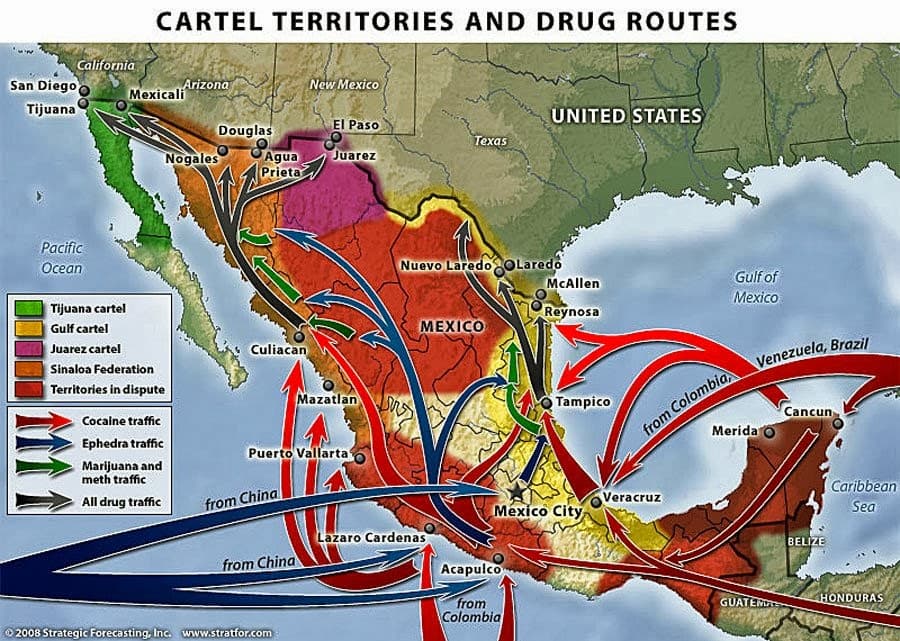
The Bureau of Alcohol, Tobacco, Firearms and Explosives launched what they called a "gun tracking" operation in Arizona. The stated goal was straightforward: allow small numbers of weapons to cross the border to Mexico, then track them to major cartel leaders. The theory suggested this would lead to high-level arrests and dismantling of trafficking networks. ATF leadership presented the operation as a tactical success, a smart way to follow the money and weapons to the top.
But something went profoundly wrong—or rather, something went exactly as skeptics feared it would.
Whistleblowers from within the ATF, particularly field agents working the cases, began revealing the uncomfortable truth. The agency hadn't been carefully tracking a few weapons. Instead, they had systematically allowed hundreds of assault rifles—AR-15s, AK-47 variants, and other military-grade firearms—to walk across the border with minimal surveillance. Agents were ordered to let gun dealers complete sales they would normally have stopped. Buyers with obvious cartel connections were allowed to purchase weapons without intervention.
The numbers tell the story. Over two years, approximately 1,400 weapons disappeared into Mexico. Many never were tracked at all. Others were later recovered at crime scenes. Some showed up at the murder of U.S. Border Patrol Agent Brian Terry in December 2010—a shooting that transformed this from an abstract policy failure into a literal American death.
When word leaked publicly, the official response was defensive. ATF and Department of Justice officials initially denied the scope of the operation or claimed agents acted without authorization. They suggested critics didn't understand sophisticated law enforcement techniques. Some argued the program was necessary to address a larger problem.
Yet the documentary evidence became impossible to ignore. Internal emails showed supervisors explicitly ordering agents to allow weapons to proceed. Testimony from field agents contradicted leadership's claims. Inspector General reports confirmed the basic facts: this wasn't a misunderstanding or a few rogue operations. It was policy, implemented from above.
The consequences extended beyond the immediate tragedy. Weapons from Fast and Furious appeared at multiple crime scenes. Mexican civilians and police officers died in shootings involving these guns. The operation poisoned the relationship between ATF field agents and their leadership—many felt they'd been set up to take blame for decisions made higher up.
What makes Operation Fast and Furious relevant today isn't that it proved government incompetence. It proved something more specific: institutions sometimes double down on failed policies rather than admit error, and they use dismissal and authority to silence critics until evidence becomes undeniable.
This matters because it illustrates how claims that seem outlandish—that the government deliberately allowed weapons to reach dangerous criminals—can be true. It's a reminder that institutional authority doesn't guarantee institutional wisdom, and that whistleblowers often pay a price for telling uncomfortable truths before official inquiries force acknowledgment. The pattern revealed here has repeated in different contexts since.
Get the 5 biggest receipts every week, straight to your inbox — plus an exclusive PDF: The Top 10 Conspiracy Theories Proven True in 2025-2026. No spam. No agenda. Just the papers they couldn't hide.
You just read "DEA's Operation Fast and Furious allowed weapons to flow to …". We send ones like this every week.
No one's said anything yet. Be the first to drop your take.