In early 2025, Elon Musk's Department of Government Efficiency (DOGE) sought access to Treasury's Bureau of Fiscal Service payment systems, which contain Social Security numbers and bank account information for virtually every American receiving government payments. 18 state attorneys general filed suit to block access. A federal judge ruled there was a 'real possibility' the data had already been shared improperly. DOGE employees, some as young as 19, were given access to sensitive government systems. Over 12 federal lawsuits challenged DOGE's authority.
“Musk's team tried to access every American's SSN and bank info. The judge said the data may have already leaked. These are 19-year-olds with access to the entire Treasury.”
From “crazy” to confirmed
The Claim Is Made
This is the moment they called it crazy.
In early 2025, federal officials discovered that a newly created government office had sought direct access to Treasury Department systems containing the Social Security numbers and bank account information of nearly every American receiving government benefits. What followed was a legal battle that raised fundamental questions about data security, government oversight, and the risks of rapid institutional change.
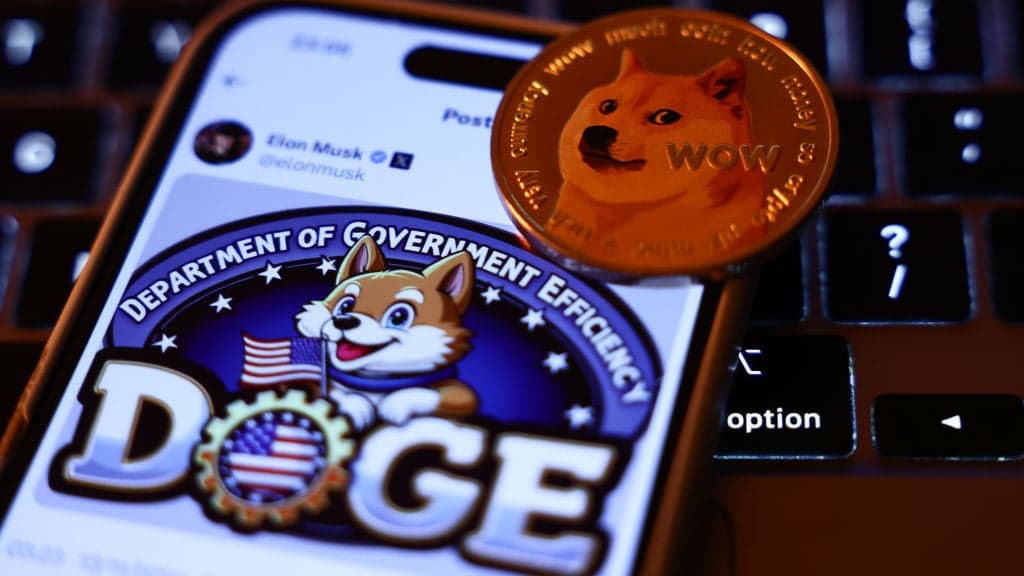
The Department of Government Efficiency, created under the direction of Elon Musk, requested access to the Treasury's Bureau of Fiscal Service payment systems. These systems are among the most sensitive databases in federal government, holding personal financial information for millions of Americans receiving Social Security, veterans benefits, federal employee payments, and other government assistance. The initial response from officials was predictable: this was routine administrative access needed to streamline government operations, nothing more.
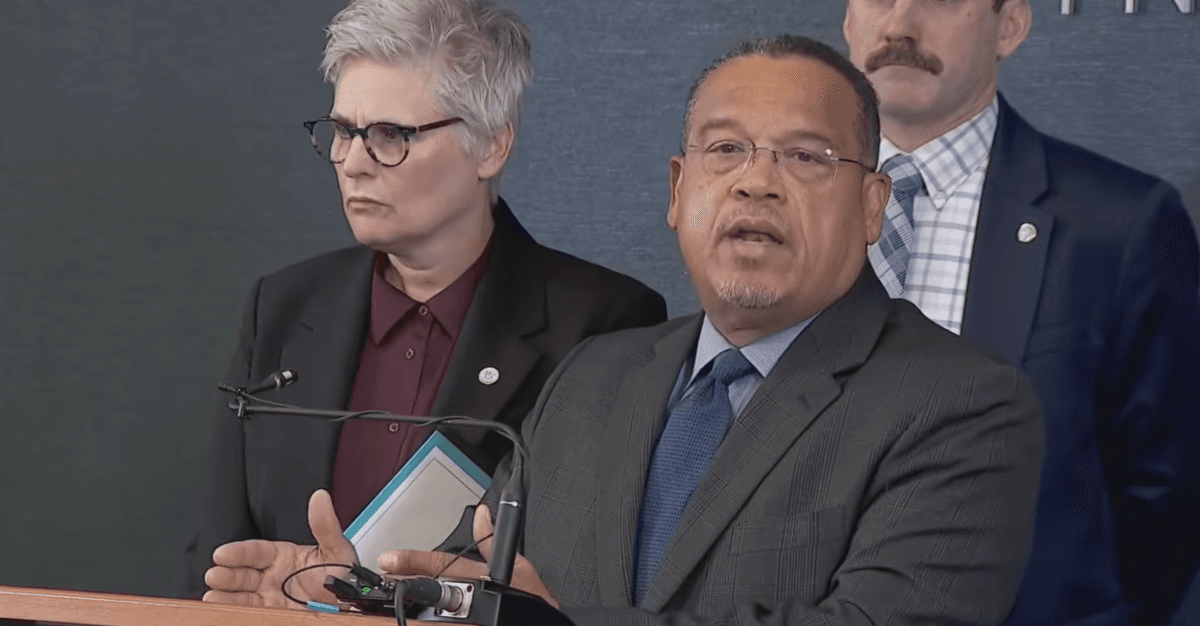
When news of the request became public, state officials moved quickly. Eighteen state attorneys general filed suit to block DOGE from accessing these systems, according to reporting by NPR. Their concerns were specific and urgent—granting access to a newly formed office with minimal oversight structures and vague operational boundaries posed an unacceptable security risk.
The dismissive posture from DOGE leadership began to crack when a federal judge issued a significant warning. As reported by the Associated Press, the judge ruled there was a "real possibility" that sensitive data had already been shared improperly. This was not speculation. The judge's language suggested evidence had been presented indicating potential unauthorized data transfer had already occurred.
Further investigation revealed troubling details about how access had been granted. DOGE employees, some reportedly as young as 19 years old, had been given access to sensitive federal systems. There were no clear protocols for how this access would be monitored or what limitations would be placed on it. Over 12 separate federal lawsuits challenged DOGE's authority to access these systems at all, according to court filings.
Get the 5 biggest receipts every week, straight to your inbox — plus an exclusive PDF: The Top 10 Conspiracy Theories Proven True in 2025-2026. No spam. No agenda. Just the papers they couldn't hide.
You just read "DOGE sought access to Treasury payment systems with SSN and …". We send ones like this every week.
No one's said anything yet. Be the first to drop your take.
What made this case particularly significant was the speed at which concerns materialized into legal action. Federal judges do not casually warn that classified personal data may have leaked. Attorneys general do not typically coordinate multi-state lawsuits without substantial evidence of wrongdoing. The judicial findings suggested that the original claim—that DOGE was seeking dangerous access to Americans' most sensitive financial information—was not merely a concern about future risk, but a description of something that may have already happened.
The core issue transcended partisan politics or disagreements about government efficiency. The question was elementary: Should a new government office with minimal institutional history, staffed partly by very young employees, be granted unsupervised access to the Social Security numbers and bank accounts of 300 million Americans? The answer from the courts, state governments, and ultimately from evidence presented in litigation was no—and possibly, the damage had already been done.
This case demonstrates how claims about government overreach are not always theoretical. Sometimes they are discovered in real time, through the basic mechanisms of democratic accountability: judges, state attorneys general, and transparency. What matters now is whether the systems that caught this potential breach function effectively enough to prevent the next one.
Beat the odds
This had a 0.2% chance of leaking — someone talked anyway.
Conspirators
~500Large op
Secret kept
1.2 years
Time to 95% exposure
500+ years