VX nerve agent testing at Utah facility in 1968 killed thousands of sheep on nearby ranches. Army initially denied responsibility then secretly paid $1 million settlement.
“Military testing was not responsible for livestock deaths”
From “crazy” to confirmed
The Claim Is Made
This is the moment they called it crazy.
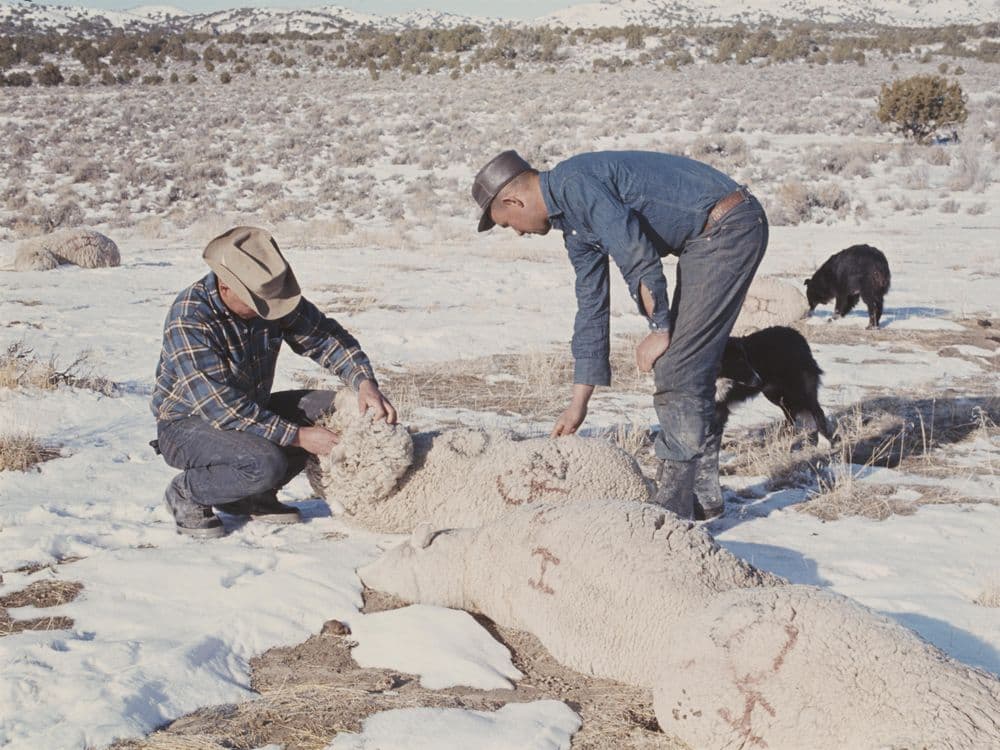
On a spring day in 1968, ranchers in Utah's Box Elder County discovered thousands of their sheep dead or dying. The animals showed signs of extreme distress—convulsing, foaming at the mouth, unable to stand. Within days, the death toll reached 6,000 head of livestock. The ranchers had no explanation, but they lived downwind from something the government wasn't eager to discuss: Dugway Proving Ground, a sprawling military facility devoted to testing chemical and biological weapons.
The ranchers suspected the Army was responsible. After all, Dugway sat just 30 miles away, and the timing seemed too convenient. But when they looked for answers, they encountered a wall of silence and denial. Military officials flatly rejected any connection between the sheep deaths and facility operations. The official position was clear: whatever killed those animals, it wasn't their problem.
This dismissal might have held if the ranchers had simply accepted it. Instead, they documented everything. Veterinarians conducted necropsies. Environmental samples were collected. The evidence pointed to a single culprit: VX nerve agent, one of the most lethal chemical weapons ever created. The Army had been conducting open-air tests of VX at Dugway. A miscalculation in wind patterns or dispersal had carried the agent far beyond the test site's intended boundaries.
The official denial lasted only so long. Faced with mounting evidence and pressure from the ranchers, the Army eventually acknowledged what had happened. But they didn't issue a public statement or hold a press conference. Instead, they negotiated a settlement in secret. The ranchers received $1 million in compensation, but the deal came with a condition: silence. The details were buried in classified documents and confidentiality agreements.
What makes this case particularly instructive is what it reveals about how government institutions handle accountability when caught in a falsehood. The Army didn't acknowledge the truth because they suddenly developed a conscience. They acknowledged it because the evidence became impossible to ignore. Even then, they controlled the narrative by keeping the settlement terms quiet and limiting public disclosure.
The Dugway incident represents a specific type of claim that often appears in conversations about institutional credibility: something denied by authorities, initially dismissed as implausible or conspiratorial, then quietly confirmed once the cover-up became untenable. The difference between this case and many others is documentation. There were dead sheep, veterinary records, and eventually a paper trail leading back to VX testing.
This matters because it demonstrates a fundamental problem in how citizens are asked to trust institutions. When an official denial is the first response, and a quiet settlement is the actual response, the message sent is not that the system works. It's that the system protects itself first. The ranchers who lost their livelihoods didn't get a public apology or a transparent investigation. They got compensated in a way designed to minimize public awareness.
The Dugway sheep kill is now historical fact, documented and undisputed. But for years it existed in that uncomfortable space between claim and truth, where people asking questions were considered unreasonable, and where asking for transparency was treated as paranoia. That gap—between what authorities say and what evidence eventually proves—is worth remembering.
Get the 5 biggest receipts every week, straight to your inbox — plus an exclusive PDF: The Top 10 Conspiracy Theories Proven True in 2025-2026. No spam. No agenda. Just the papers they couldn't hide.
You just read "Dugway Proving Ground Sheep Kill - Army's Chemical Weapons T…". We send ones like this every week.
No one's said anything yet. Be the first to drop your take.