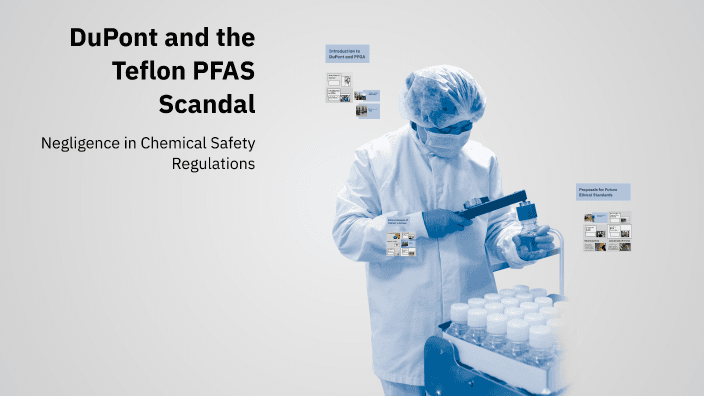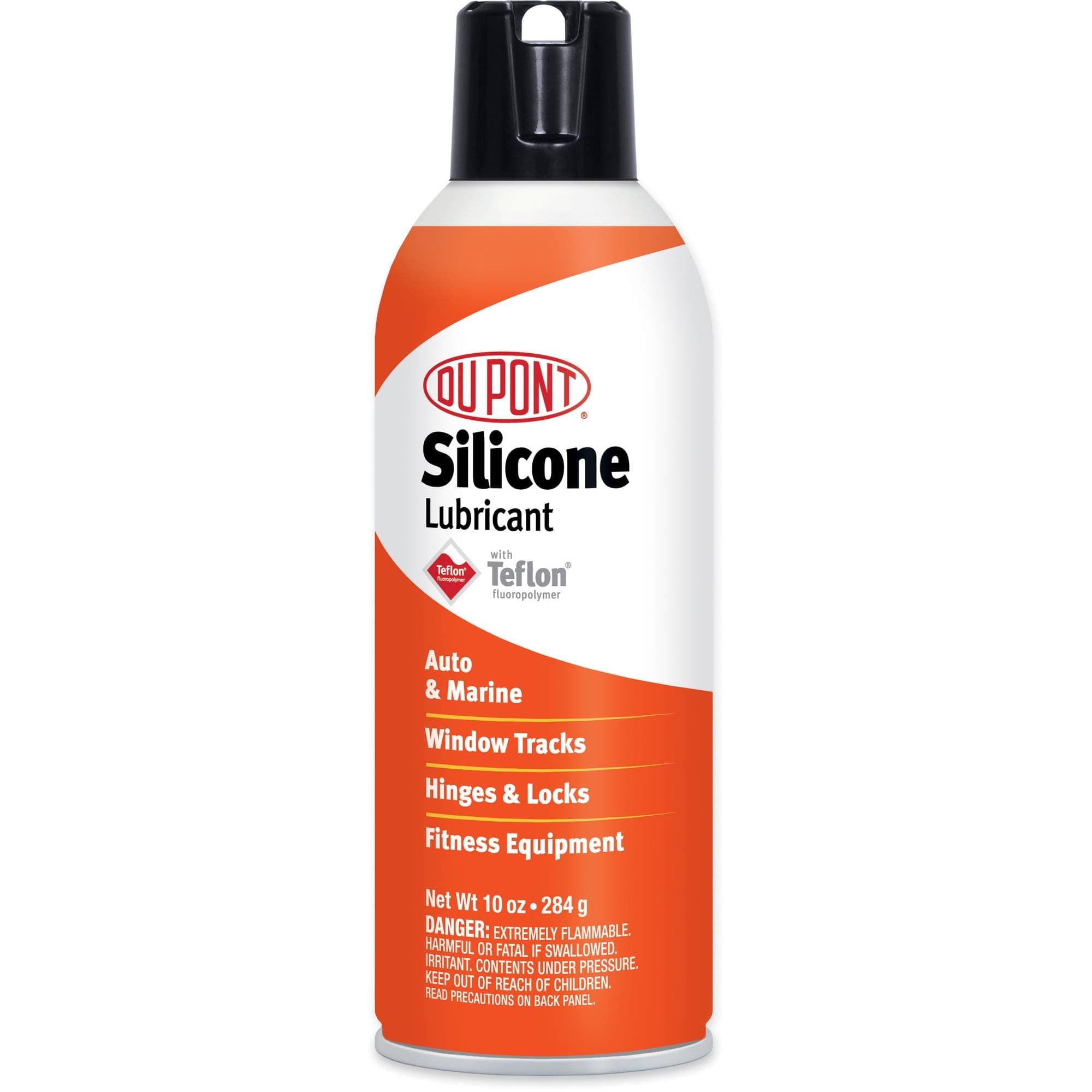
DuPont's internal studies from the 1980s showed C8 caused cancer and birth defects, but the company hid this while dumping 1.7 million pounds into the Ohio River. A company lawyer's cattle died from C8 exposure.
“C8 does not pose a health hazard to the general public”
From “crazy” to confirmed
The Claim Is Made
This is the moment they called it crazy.
When you turn on a tap in certain parts of Ohio and West Virginia, you're potentially drinking water contaminated with a chemical that one of America's largest corporations knew was dangerous decades before public disclosure. That chemical is C8, and the company is DuPont—one of the world's most trusted manufacturers of everyday products like Teflon-coated cookware.
The claim that emerged from court documents and investigations was straightforward but damning: DuPont possessed internal scientific evidence from the 1980s proving that C8 caused cancer and birth defects in humans, yet continued dumping approximately 1.7 million pounds of the chemical into the Ohio River while keeping this knowledge hidden from regulators and the public.
When these allegations first surfaced, DuPont's response followed the familiar corporate playbook of denial and downplaying. The company maintained that C8 was safe at exposure levels found in drinking water, that their dumping practices were legal at the time, and that any health concerns were speculative. Regulators initially accepted these assurances. For years, C8 remained a non-issue in the public consciousness—just another industrial chemical in a list of thousands.
But the evidence told a different story. Internal company studies from the 1980s documented that C8 caused cancer and reproductive harm in laboratory animals and workers. More tellingly, there was an anecdotal detail that became impossible to ignore: a lawyer representing DuPont found that his own cattle, which had grazed near a DuPont facility, became sick and died from C8 exposure. This wasn't a distant statistical abstract—it was a direct, observable consequence of the company's operations.
Get the 5 biggest receipts every week, straight to your inbox — plus an exclusive PDF: The Top 10 Conspiracy Theories Proven True in 2025-2026. No spam. No agenda. Just the papers they couldn't hide.
You just read "DuPont concealed that Teflon chemical C8 contaminated drinki…". We send ones like this every week.
No one's said anything yet. Be the first to drop your take.
As court cases accumulated and discovery processes forced the release of internal documents, the full scope of DuPont's knowledge became clear. The company had conducted studies showing health risks, documented contamination of drinking water supplies, and possessed evidence of harm—all while continuing to operate as though there was no problem. Thousands of residents in Ohio and West Virginia had been unknowingly exposed to a chemical their water provider never warned them about.
The C8 contamination case eventually resulted in one of the largest environmental settlements in history, involving thousands of affected residents and resulting in substantial compensation and health monitoring programs. It validated what critics had been saying: DuPont knew and did nothing to protect public health until forced to act by litigation.
What makes this case instructive isn't the existence of corporate misconduct—that's been documented countless times throughout history. It's the mechanism by which a dangerous truth remained hidden. A major corporation, armed with superior scientific knowledge, access to regulatory bodies, and sophisticated legal resources, weaponized information asymmetry. The public couldn't protect itself from a danger they didn't know existed.
This case demonstrates why skepticism toward corporate safety assurances remains warranted and why regulatory oversight, litigation, and mandatory disclosure aren't bureaucratic obstacles—they're essential safeguards. The C8 story proves that when financial incentives conflict with public safety, and when corporations control their own scientific narrative, ordinary citizens bear the consequences. It's a reminder that trust in institutions must be paired with accountability mechanisms, or it becomes complicity.
Beat the odds
This had a 0.8% chance of leaking — someone talked anyway.
Conspirators
~100Network
Secret kept
20.8 years
Time to 95% exposure
500+ years