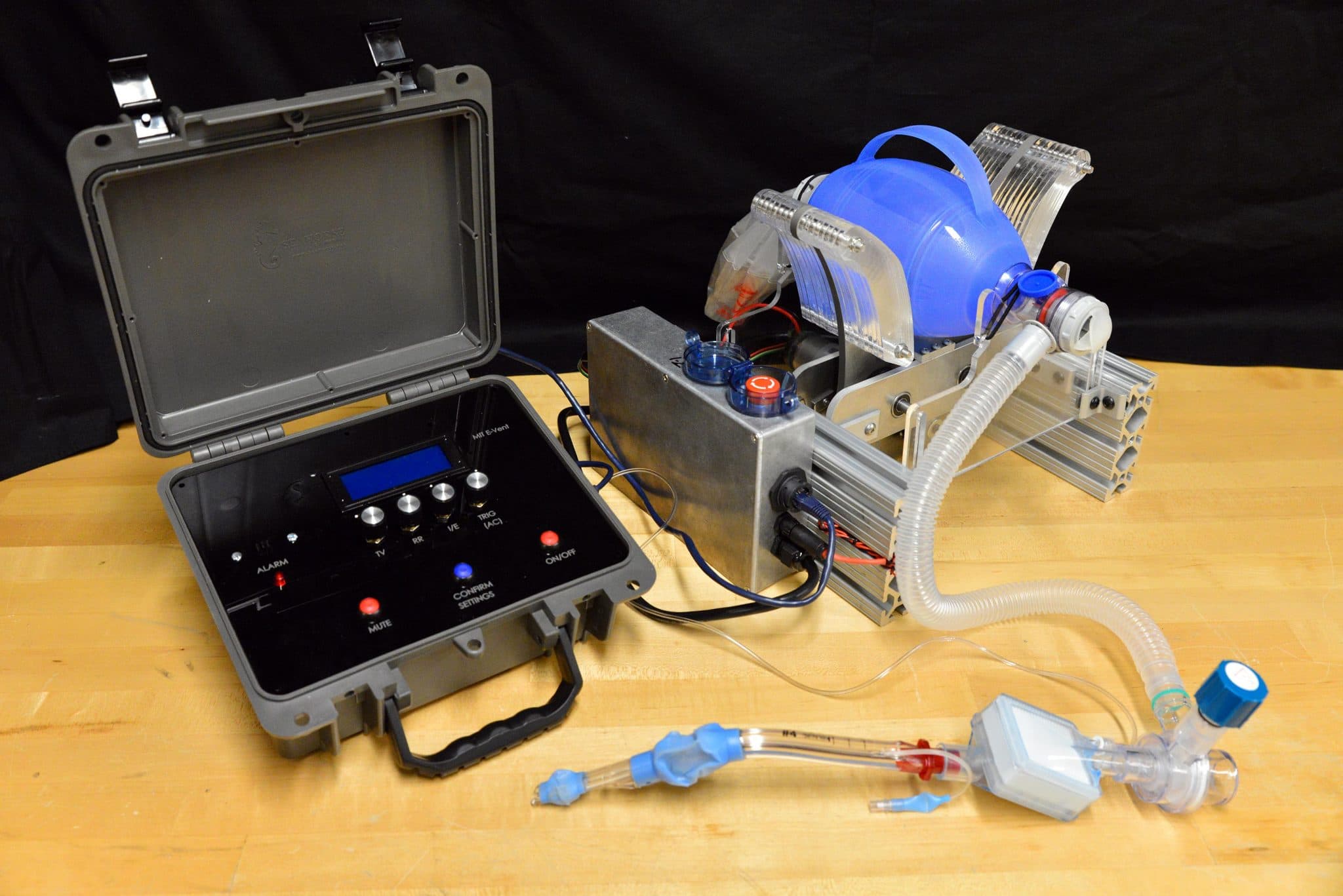
At the start of the pandemic, experts recommended 'very early' invasive mechanical ventilation for COVID patients while avoiding alternatives like high-flow nasal oxygen. Mortality rates for intubated patients ranged from 50% to 72.8%. Studies later found intubation within 48 hours was associated with increased mortality. Once providers abandoned early intubation in favor of alternatives, both intubation rates and death rates dropped significantly. Those who questioned the protocol early were dismissed.
“Early intubation and increased use of invasive mechanical ventilation was associated with higher mortality in COVID-19 patients compared to less invasive approaches.”
From “crazy” to confirmed
The Claim Is Made
This is the moment they called it crazy.
In the early weeks of the COVID-19 pandemic, hospitals across the world received clear guidance: intubate COVID patients quickly and aggressively. This recommendation came from major health institutions and was based on the assumption that early mechanical ventilation would prevent respiratory collapse. Doctors who followed this protocol were practicing what they believed to be evidence-based medicine.
The results were catastrophic. Mortality rates for intubated COVID patients ranged between 50 and 72.8 percent—numbers that should have triggered immediate reconsideration. Instead, these deaths were largely attributed to the severity of the disease itself rather than the treatment protocol.
When clinicians began questioning whether "very early intubation" was actually harmful, they faced professional dismissal. The consensus around early intubation was so entrenched that suggesting an alternative approach seemed reckless, even when the data suggested otherwise. Doctors who advocated for high-flow nasal oxygen or other less invasive methods were sidelined from the conversation.
What changed the equation was rigorous analysis of actual outcomes. Research eventually demonstrated that intubation within 48 hours of admission was associated with increased mortality compared to patients who avoided invasive ventilation in that critical window. The mechanism became clearer: early intubation may have caused ventilator-induced lung injury in patients whose lungs were already compromised by COVID's unique inflammatory response. The machines designed to save lives were, in many cases, accelerating death.
Once hospitals began abandoning the early intubation strategy in favor of high-flow oxygen and other supportive measures, the numbers shifted dramatically. Both intubation rates and overall mortality rates declined significantly. This wasn't because the virus had changed—it was because the treatment had.
Get the 5 biggest receipts every week, straight to your inbox — plus an exclusive PDF: The Top 10 Conspiracy Theories Proven True in 2025-2026. No spam. No agenda. Just the papers they couldn't hide.
You just read "Early COVID ventilator protocols had up to 72.8% mortality —…". We send ones like this every week.
No one's said anything yet. Be the first to drop your take.
Confirmed: They Were Right
The truth comes out. Officially documented.
Confirmed: They Were Right
The truth comes out. Officially documented.
The academic literature now documents this reversal explicitly. Studies titled "Early Intubation and Increased Coronavirus Disease 2019 Mortality" lay out the evidence that the original protocol had been counterproductive. Hospitals that moved fastest away from very early intubation saw the best survival outcomes.
What makes this case particularly relevant to institutional accountability is the pattern of how it unfolded. Expert consensus held firm despite emerging warning signs. Those raising concerns were positioned as contrarian rather than cautious. And the pivot, when it came, happened quietly—without the major health institutions that promoted early intubation offering clear explanations for the policy reversal.
This matters beyond COVID. Every pandemic and every public health crisis will involve incomplete information and difficult choices made under pressure. But there's a difference between acknowledging uncertainty and dismissing contrary evidence. There's a difference between professional humility and institutional defensiveness.
The doctors and administrators who quietly shifted toward alternative protocols were right to do so. But the fact that they had to work around entrenched guidance rather than receiving clear authorization to reassess speaks to a deeper problem with how medical consensus operates. When institutional reputation becomes more important than patient outcomes, even highly educated professionals can become trapped in harmful practices.
The COVID ventilator story isn't about incompetence. It's about how systems that should correct course based on evidence sometimes resist that correction—and what happens to patients while they're resisting.
Beat the odds
This had a 0.1% chance of leaking — someone talked anyway.
Conspirators
~300Network
Secret kept
1.2 years
Time to 95% exposure
500+ years