Army conducted chemical weapons experiments on 7,000 soldiers from 1955-1975 using LSD, nerve agents, and psychochemicals. Pentagon denied human testing until congressional investigation in 1970s.
“No human subjects are used in chemical weapons research at Edgewood Arsenal”
From “crazy” to confirmed
The Claim Is Made
This is the moment they called it crazy.
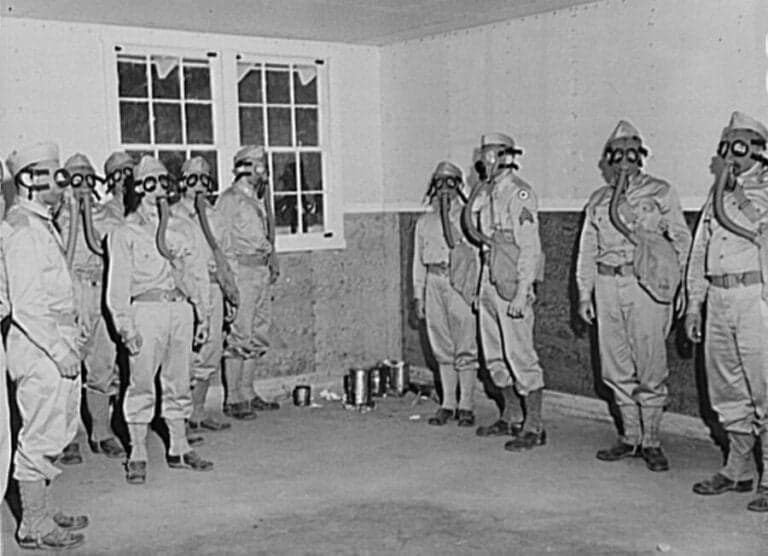
For two decades, the U.S. Army tested chemical and biological weapons on its own soldiers without their informed consent. These weren't theoretical exercises or lab simulations—they were live experiments on human beings, conducted at Edgewood Arsenal in Maryland between 1955 and 1975. Around 7,000 soldiers participated, most unaware of what they were actually being exposed to.
The experiments began during the Cold War, when military planners feared the Soviet Union and China had developed incapacitating chemical agents. The Pentagon wanted to understand how these weapons affected human cognition, behavior, and physical function. The solution, apparently, was to use American servicemen as test subjects.
Researchers administered LSD, nerve agents like VX and sarin, and various psychochemical compounds to soldiers under the guise of "medical research" or routine military medical procedures. Some participants were told they were testing protective equipment. Others believed they were participating in studies for defensive purposes. Few were given genuine informed consent or told the true nature of what they'd be exposed to.
When word of these experiments first emerged in the early 1970s, the Pentagon denied the most serious allegations. Military officials claimed that any human testing was limited in scope, closely monitored, and posed minimal risk. They downplayed the use of LSD and flatly rejected claims that soldiers had been exposed to dangerous nerve agents. The standard response was that the research was necessary, ethical by the standards of the time, and properly documented.
This official denial began crumbling during Congressional investigations in the mid-1970s. When investigators subpoenaed Army records and interviewed participants, a different picture emerged. Documentation proved that soldiers had indeed been exposed to LSD without adequate disclosure. More damaging still, records confirmed that some soldiers had been given nerve agents—the very weapons claimed were only used in limited testing.
Get the 5 biggest receipts every week, straight to your inbox — plus an exclusive PDF: The Top 10 Conspiracy Theories Proven True in 2025-2026. No spam. No agenda. Just the papers they couldn't hide.
You just read "Edgewood Arsenal Human Experiments Used Soldiers as Test Sub…". We send ones like this every week.
No one's said anything yet. Be the first to drop your take.
Former test subjects came forward with accounts of severe psychological episodes, lasting health problems, and feelings of betrayal. The Department of Veterans Affairs eventually acknowledged that some participants suffered long-term consequences from their exposure. Research documents confirmed that the Army had studied the effects of these agents on human physiology and behavior with the kind of systematic rigor you'd expect from any legitimate research program—except that the subjects didn't know what they were really being tested with.
By 1975, the evidence was overwhelming enough that the Pentagon could no longer maintain its denials. The experiments were officially acknowledged, though with caveats and qualifications that often minimized their scope or severity. The Army issued formal apologies and established compensation programs for affected veterans.
What makes the Edgewood Arsenal case significant isn't just that it happened—it's that it required a Congressional investigation to force the truth out. The Pentagon had the documentation. Officials knew what had occurred. The denial wasn't based on confusion or incomplete records; it was a deliberate withholding of information.
This case matters because it reveals how institutional secrecy and authority can suppress documented facts about what government agencies have done to civilians and servicemen. It demonstrates that "they knew" often means they knew and chose to hide it. When institutions can conduct experiments on their own personnel and then deny those experiments for years, it fundamentally undermines public trust. The lesson isn't just historical—it's a cautionary tale about the importance of transparency, informed consent, and Congressional oversight of military research.
Unlikely leak
Only 18.4% chance this would come out. It did.
Conspirators
~1,000Large op
Secret kept
50.7 years
Time to 95% exposure
500+ years