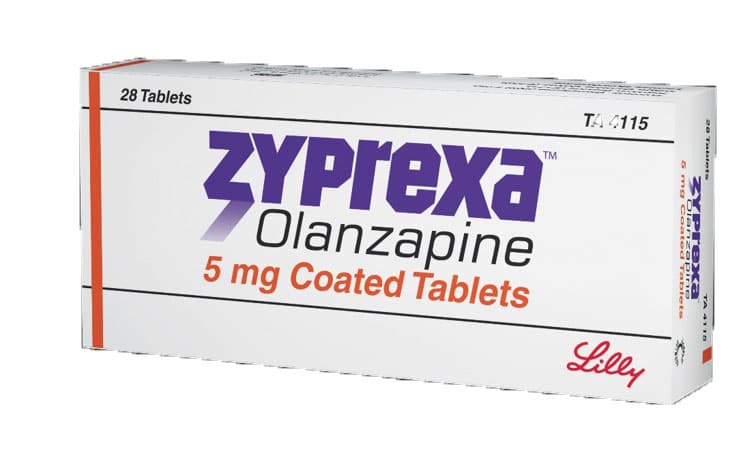
Internal Lilly documents revealed executives knew Zyprexa caused severe diabetes and massive weight gain but marketed it without warnings. Company paid $1.42 billion settlement for off-label promotion.
“Zyprexa is safe and effective for approved uses with a well-established safety profile”
From “crazy” to confirmed
The Claim Is Made
This is the moment they called it crazy.
When Eli Lilly's antipsychotic drug Zyprexa hit the market in 1996, it represented genuine progress for treating schizophrenia and bipolar disorder. Doctors prescribed it widely, and millions of patients took it believing the company had disclosed all known risks. What they didn't know was sitting in company files: internal documents showing executives understood Zyprexa caused severe weight gain and diabetes, sometimes within weeks of starting treatment.
The claims about Zyprexa's metabolic dangers weren't new. Patients and some clinicians had raised concerns almost immediately after the drug's release. But Eli Lilly's position was clear: there was no proven causal link, the side effects were manageable, and the benefits outweighed the risks. The company's marketing materials downplayed weight gain as "modest" and suggested it was easily controlled through diet and exercise. Psychiatrists who raised alarms found themselves isolated; the drug's effectiveness for psychiatric symptoms made it attractive despite the physical toll.
For years, this narrative held. Zyprexa became a blockbuster, generating billions in revenue. Eli Lilly maintained that any metabolic problems were coincidental or patient-related, not inherent to the drug itself. Regulators largely accepted this position. The FDA approved the drug and didn't impose stronger warnings about diabetes risk.
But in the early 2000s, internal company documents began surfacing through litigation. These weren't speculative memos—they were records of Lilly's own research and executive communications. The documents showed that company scientists had identified the diabetes and weight gain risks in clinical trials. More damning, they revealed that executives knew about these findings and chose not to prominently disclose them in marketing materials or to adequately warn physicians. Sales representatives were trained to downplay metabolic side effects in conversations with doctors. The company even created internal documents describing how to manage the "perception" of weight gain in marketing.
One particularly striking finding: Lilly's own data showed some patients gained 50 pounds or more within months. For patients with schizophrenia or bipolar disorder already struggling with illness and stigma, this wasn't a minor inconvenience—it was a serious health consequence that could derail treatment compliance and destroy quality of life.
By 2007, the evidence became impossible to ignore. Eli Lilly agreed to pay $1.42 billion to resolve allegations of off-label promotion and failure to adequately warn about metabolic risks. It remains one of the largest pharmaceutical settlements on record. The company didn't admit wrongdoing in the legal sense, but the settlement was an acknowledgment that something had gone wrong.
What matters most isn't just that Eli Lilly hid data—it's what this reveals about incentive structures in pharmaceutical marketing. When profits from a blockbuster drug dwarf potential penalties, companies face weak incentives to prioritize transparency. Patients taking Zyprexa for legitimate psychiatric needs were essentially unpaid test subjects whose metabolic health was treated as an acceptable cost of doing business.
The Zyprexa case is instructive precisely because the drug worked. It genuinely helped people with serious mental illness. But that therapeutic value didn't justify withholding information about severe side effects. It's a reminder that even when the underlying science is sound, the people delivering that science to the public must be trustworthy. Without that trust, medicine becomes a gamble patients don't know they're taking.
Get the 5 biggest receipts every week, straight to your inbox — plus an exclusive PDF: The Top 10 Conspiracy Theories Proven True in 2025-2026. No spam. No agenda. Just the papers they couldn't hide.
You just read "Eli Lilly suppressed data showing antipsychotic Zyprexa caus…". We send ones like this every week.
No one's said anything yet. Be the first to drop your take.