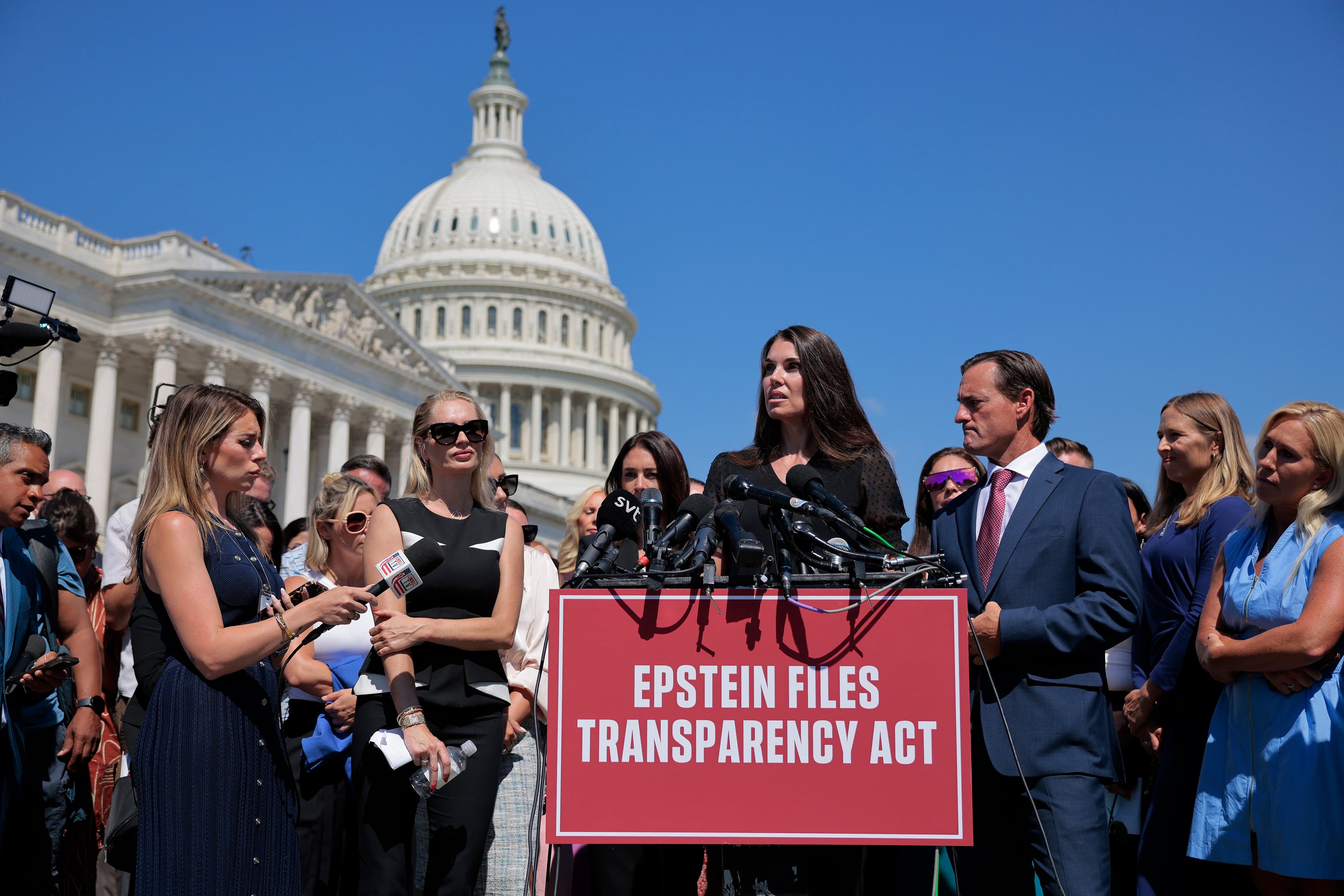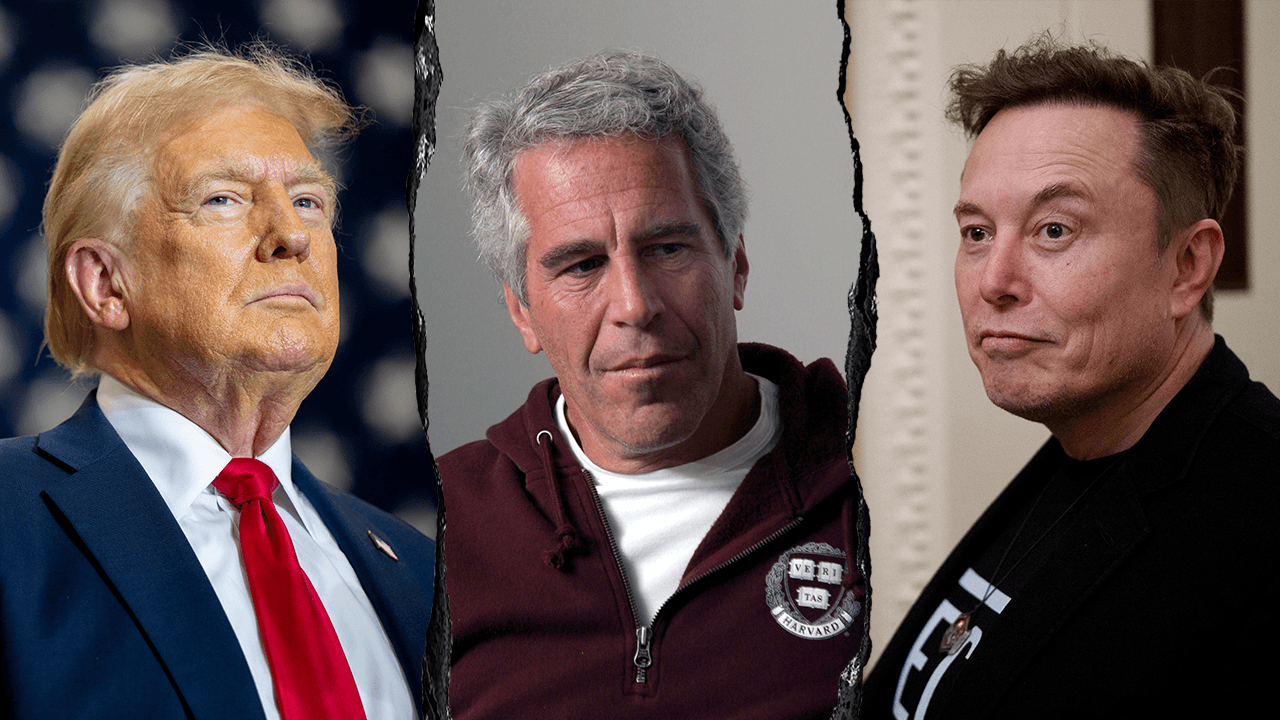
On February 28, 2025, AG Pam Bondi released Epstein files showing Trump on 8 flights (1993-96), mentions of Musk, Thiel, Bannon, and Prince Andrew, plus a 95-page contact book. The bill to release files passed unanimously. Yet the FBI claims a comprehensive 'client list' was never compiled despite years of investigation. Victims' attorneys say the DOJ had sufficient evidence to prosecute multiple co-conspirators but chose not to.
“We have flight logs, a black book, victim testimony naming names — and yet somehow there's no 'client list' and no prosecutions beyond Maxwell.”
From “crazy” to confirmed
The Claim Is Made
This is the moment they called it crazy.
On February 28, 2025, Attorney General Pam Bondi released thousands of pages from the Jeffrey Epstein investigation—documents that had been sealed for years. The release included flight logs showing Donald Trump on eight flights between 1993 and 1996, references to Elon Musk and Peter Thiel in connection materials, and a 95-page contact book. Within hours, a more troubling pattern emerged: the FBI publicly stated it had never actually compiled a comprehensive client list despite decades of investigation.
This contradiction sits at the heart of a long-standing claim that authorities possessed sufficient evidence to prosecute multiple associates but chose not to pursue those cases. Victims' attorneys have alleged for years that the Department of Justice deliberately limited the scope of prosecution to Epstein himself rather than pursuing the broader conspiracy. When the files finally surfaced, they appeared to validate that allegation—while simultaneously raising questions about what else remains hidden.
The original claim came from multiple sources: victims' advocates, independent investigators, and court documents filed by Epstein's accusers. They argued that federal investigators had identified co-conspirators and enablers but that political pressure and institutional reluctance prevented wider accountability. Skeptics dismissed this as unfounded speculation, insisting that without a formal "client list," no such coverup was possible. Officials maintained that while Epstein's trafficking was thoroughly investigated, proving additional conspirators' involvement required a higher evidentiary threshold.
The February 2025 release changed the conversation materially. The documents showed clear paper trails—flight manifests, contact information, financial records, and witness statements that placed named individuals in proximity to known criminal activity. The fact that a unanimous bill was required to force the release suggested the documents had been deliberately restricted, not merely archived. Yet 's simultaneous claim that no master list was ever created strained credibility; investigators would have naturally compiled such documentation during years of systematic investigation.
Get the 5 biggest receipts every week, straight to your inbox — plus an exclusive PDF: The Top 10 Conspiracy Theories Proven True in 2025-2026. No spam. No agenda. Just the papers they couldn't hide.
You just read "AG Bondi released Epstein files naming Trump, Musk, and Thie…". We send ones like this every week.
No one's said anything yet. Be the first to drop your take.
What emerged instead was a more complicated truth. The files proved certain associations existed and were documented. They proved authorities had access to this information. But they also confirmed that no formal "client list" was ever presented to prosecutors—a technical detail that may explain why charges were never filed against the associates named in released materials. Whether this represented bureaucratic incompetence, institutional caution, or deliberate obstruction remained unclear.
The implications extend beyond Epstein. The case revealed how official narratives can be simultaneously true and misleading. The FBI could honestly say no unified client list was compiled while documents showed they possessed the underlying evidence. Officials could deny a coverup while declining to pursue available prosecutions. The public received neither comprehensive accountability nor clear answers about why.
This matters because institutional trust depends on transparency and completeness. When authorities release documents years late, claim they never compiled readily available evidence, and maintain they lacked grounds to prosecute despite paper trails—public confidence erodes. Victims and their advocates reasonably ask why thoroughness was applied selectively. Citizens observing the same documents reach different conclusions based on which facts are emphasized and which remain compartmentalized.
The February 2025 release didn't fully resolve the original claim. It provided partial vindication while introducing new questions about institutional decision-making. What it did confirm is that the boundaries between "we didn't know" and "we didn't pursue" are often far narrower than officials claim.
Beat the odds
This had a 0% chance of leaking — someone talked anyway.
Conspirators
~50Network
Secret kept
1.2 years
Time to 95% exposure
500+ years