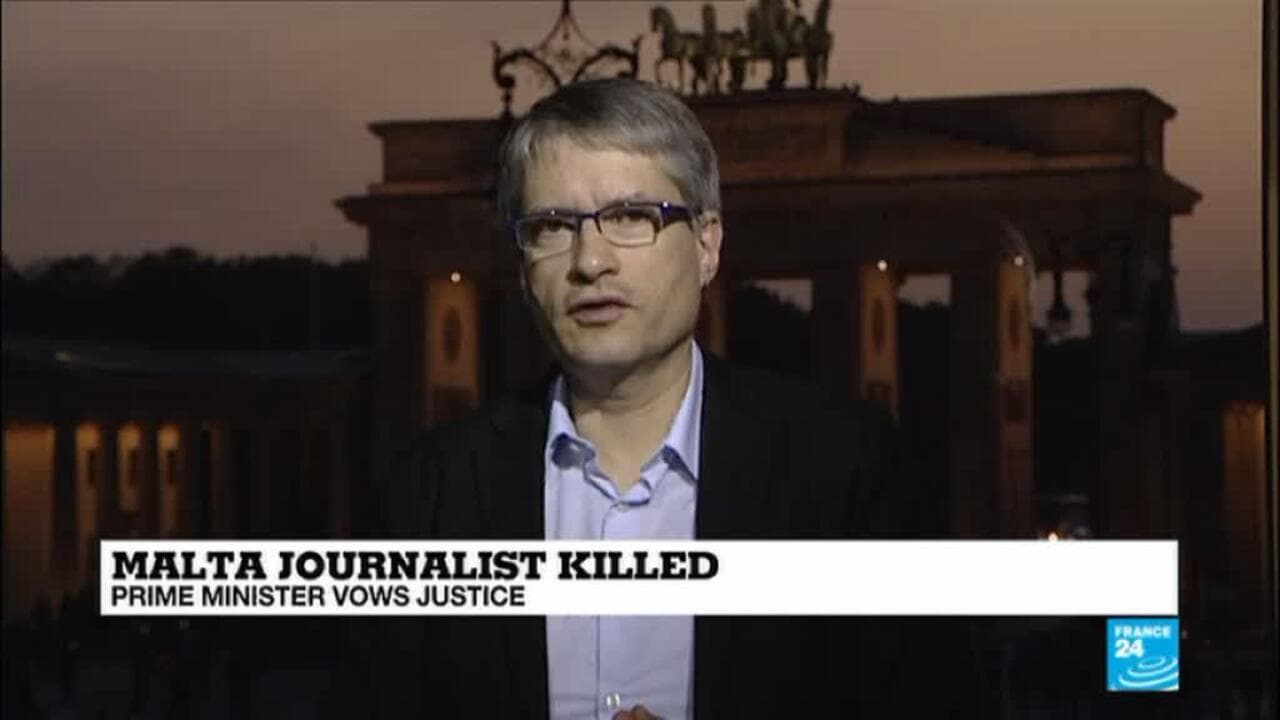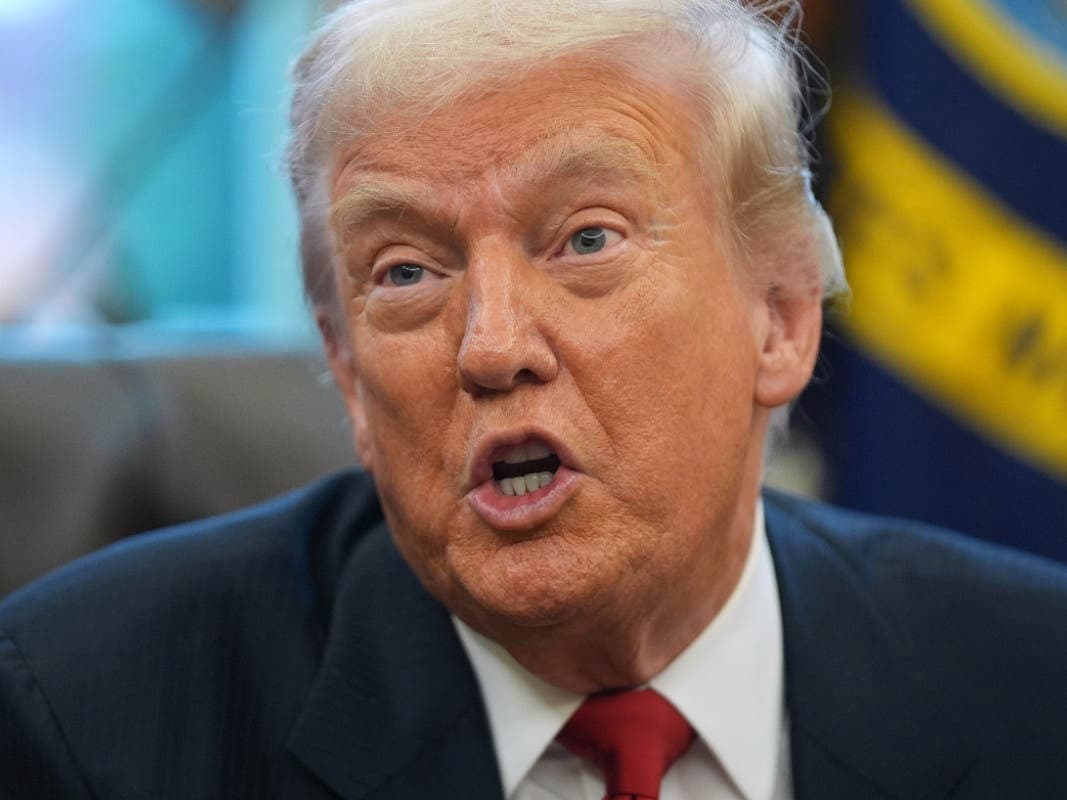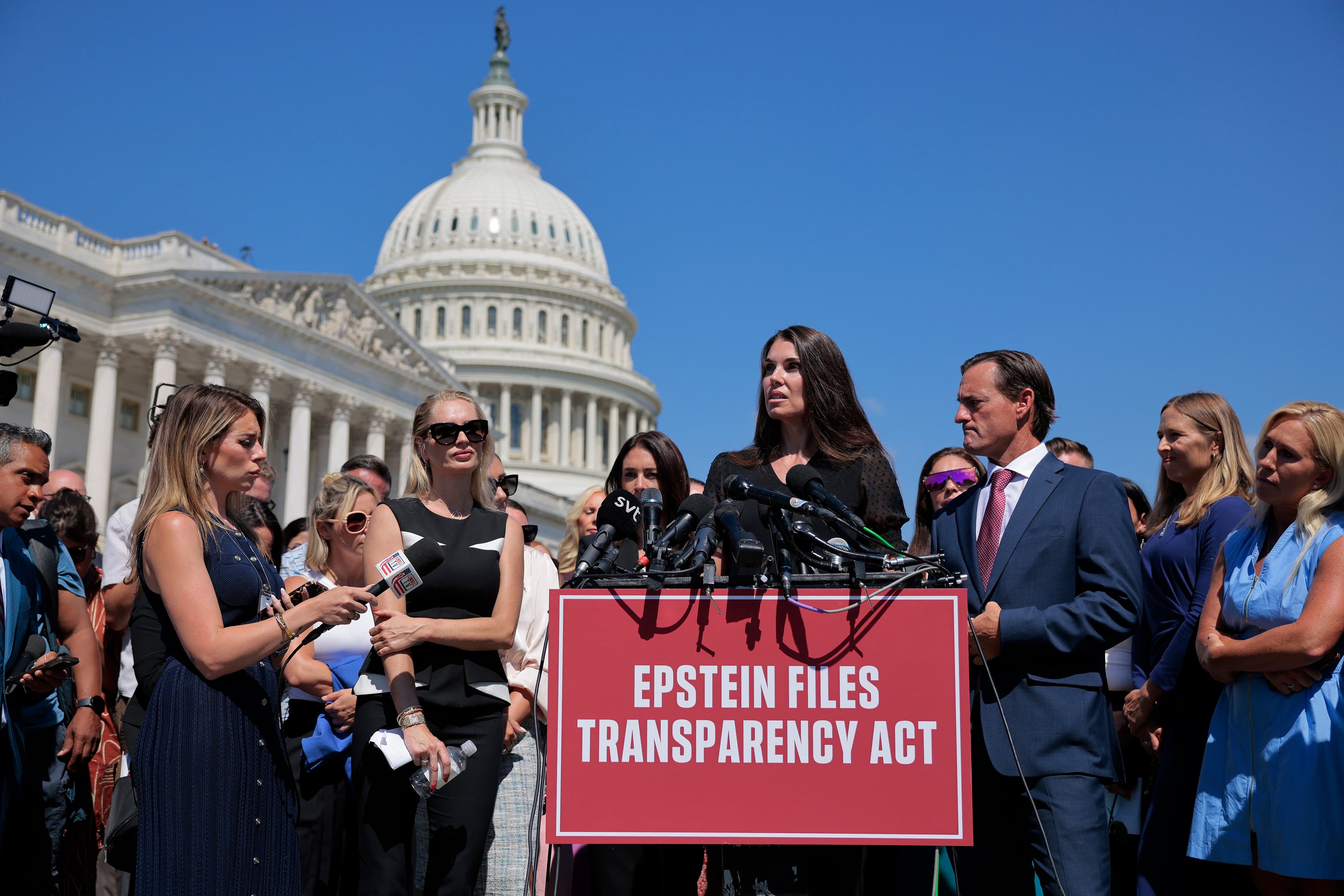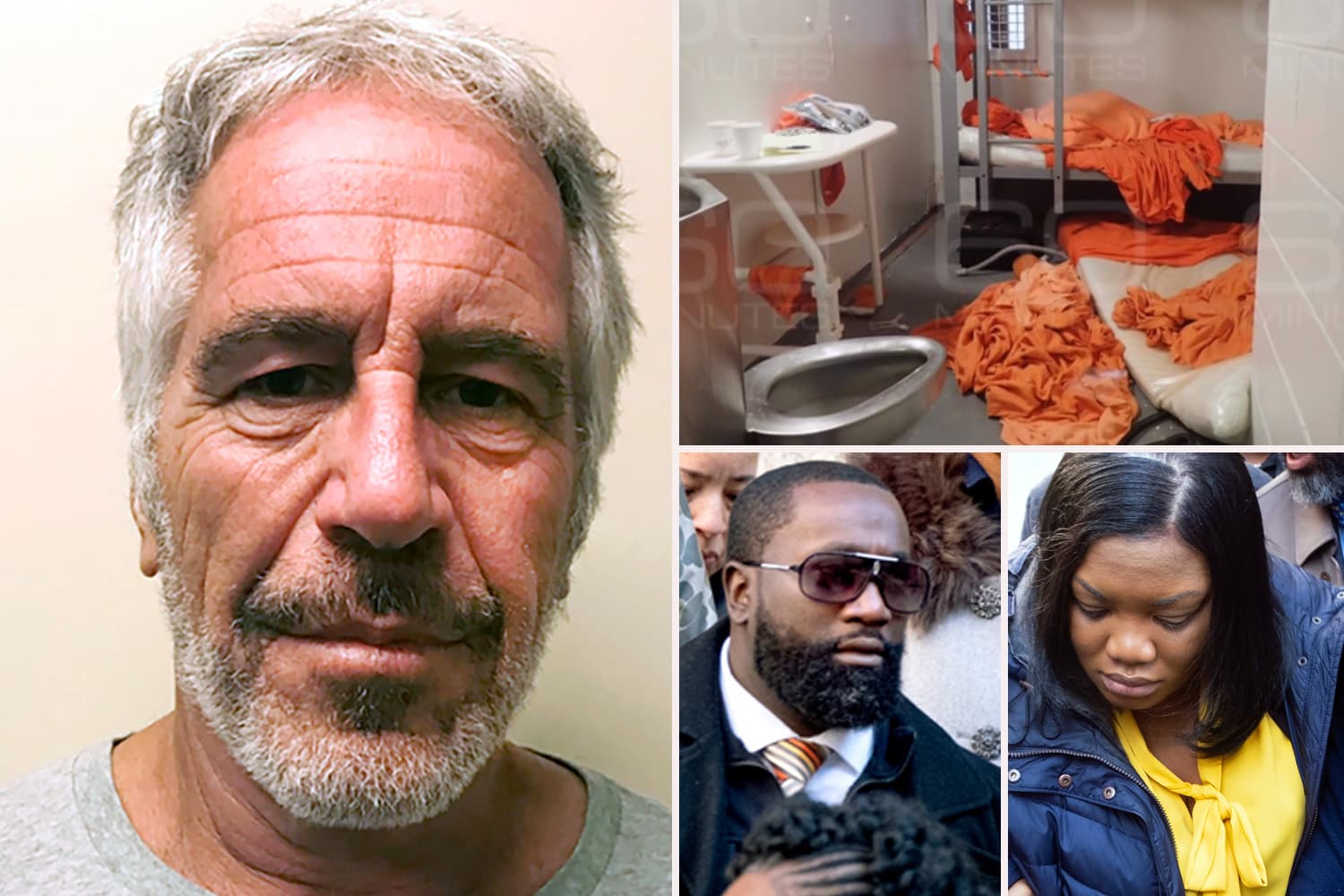
On August 9-10, 2019, Jeffrey Epstein was found dead in his cell at the Metropolitan Correctional Center. Guards Tova Noel and Michael Thomas didn't check on him for 8 hours, shopped online, and falsified logs. Both surveillance cameras outside his cell malfunctioned — 10 of 11 cameras in the SHU were not recording. His cellmate was transferred the day before. Dr. Michael Baden, hired by the family, found the hyoid bone fractures were more consistent with strangulation than hanging. The guards accepted plea deals to avoid prison.
“The cameras broke, the guards slept, his cellmate was moved. Everything that could go wrong went wrong, all on the same night, in the most high-profile case in America.”
From “crazy” to confirmed
The Claim Is Made
This is the moment they called it crazy.
The death of Jeffrey Epstein on August 9, 2019, generated immediate questions that official narratives struggled to fully answer. Within hours of his discovery in a Metropolitan Correctional Center cell, details emerged that seemed almost deliberately designed to raise suspicion: guards hadn't checked on him for eight hours, surveillance cameras had failed, and his cellmate had been mysteriously transferred the day before.
Authorities initially ruled Epstein's death a suicide by hanging. This determination allowed the story to close quickly, the case to be filed away, and public attention to move elsewhere. The narrative was simple and required no further investigation: a wealthy sex trafficker, facing decades in prison, had taken his own life while awaiting trial.
But the evidence supporting this conclusion began to crumble almost immediately under scrutiny.
Guards Tova Noel and Michael Thomas, tasked with monitoring the SHU (Special Housing Unit) where Epstein was held, admitted they had falsified logs and failed to conduct the required checks. Worse, security footage showed them shopping online and sleeping while Epstein remained unwatched. Rather than face serious prison time, both accepted plea deals that required minimal accountability. Their testimony contradicted the basic security protocols that should have been maintained in a maximum-security facility.
The camera situation was equally troubling. Of 11 cameras stationed in the SHU that night, only one was recording. Ten cameras capturing the area outside Epstein's cell malfunctioned simultaneously. In a facility supposedly designed to prevent precisely this scenario—the death of a high-profile inmate—this represented either catastrophic negligence or something more deliberate. No satisfactory explanation for the simultaneous failures was ever provided to the public.
Get the 5 biggest receipts every week, straight to your inbox — plus an exclusive PDF: The Top 10 Conspiracy Theories Proven True in 2025-2026. No spam. No agenda. Just the papers they couldn't hide.
You just read "Both guards slept, both cameras failed, cellmate transferred…". We send ones like this every week.
No one's said anything yet. Be the first to drop your take.
Dr. Michael Baden, a forensic pathologist hired by Epstein's family, examined the autopsy results and reached conclusions that diverged sharply from officials. Baden found fractures in the hyoid bone—a delicate structure in the neck—that were more consistent with strangulation than hanging. Such fractures occur in hanging cases only rarely. This medical assessment, reported by Fox News and other outlets, suggested the possibility of homicide rather than suicide.
The transfer of Epstein's cellmate the day before his death added another layer to the pattern. Cellmates serve a crucial security function: their presence alone deters violence. Removing that witness hours before Epstein's death seemed either remarkably poor planning or remarkably convenient timing.
These facts establish what the claim actually documented: not proof of murder necessarily, but proof that the official account was riddled with implausible coincidences, procedural failures, and suspicious timing. The guards' plea deals meant they faced no significant consequences. No guards were prosecuted. No camera failures were thoroughly investigated. The case closed.
This matters because it represents how institutional failures or worse can disappear beneath official conclusions. When a high-profile defendant dies under suspicious circumstances, and the system simultaneously proves it was either negligent or something darker, the public loses more than answers. It loses confidence that institutions designed to prevent such outcomes actually function as intended. Whether Epstein's death was suicide, murder, or something the evidence still obscures, the pattern of failure and the lack of serious accountability should concern anyone who depends on those same institutions.
Beat the odds
This had a 0.1% chance of leaking — someone talked anyway.
Conspirators
~50Network
Secret kept
6.7 years
Time to 95% exposure
500+ years