On October 18, 2019, Event 201 simulated a global coronavirus pandemic originating from bats, killing 65 million people in 18 months. The exercise was hosted by Johns Hopkins, the WEF, and the Gates Foundation. Participants included CDC, Chinese CDC, and UN officials. The simulated virus was 'a cousin of SARS, slightly more transmissible, like the flu, and slightly more lethal.' The first COVID-19 cases appeared just weeks later. Organizers say pandemic simulations are routine; critics call the specificity and timing extraordinary.
“The next severe pandemic will not only cause great illness and loss of life but could also trigger major cascading economic and societal consequences.”
From “crazy” to confirmed
The Claim Is Made
This is the moment they called it crazy.
Six weeks before the first COVID-19 cases emerged in Wuhan, China, a group of prominent global institutions gathered in New York for a tabletop exercise. On October 18, 2019, Johns Hopkins University's Center for Health Security, the World Economic Forum, and the Bill & Melinda Gates Foundation convened Event 201, a high-level simulation designed to explore how the world might respond to a novel coronavirus pandemic.
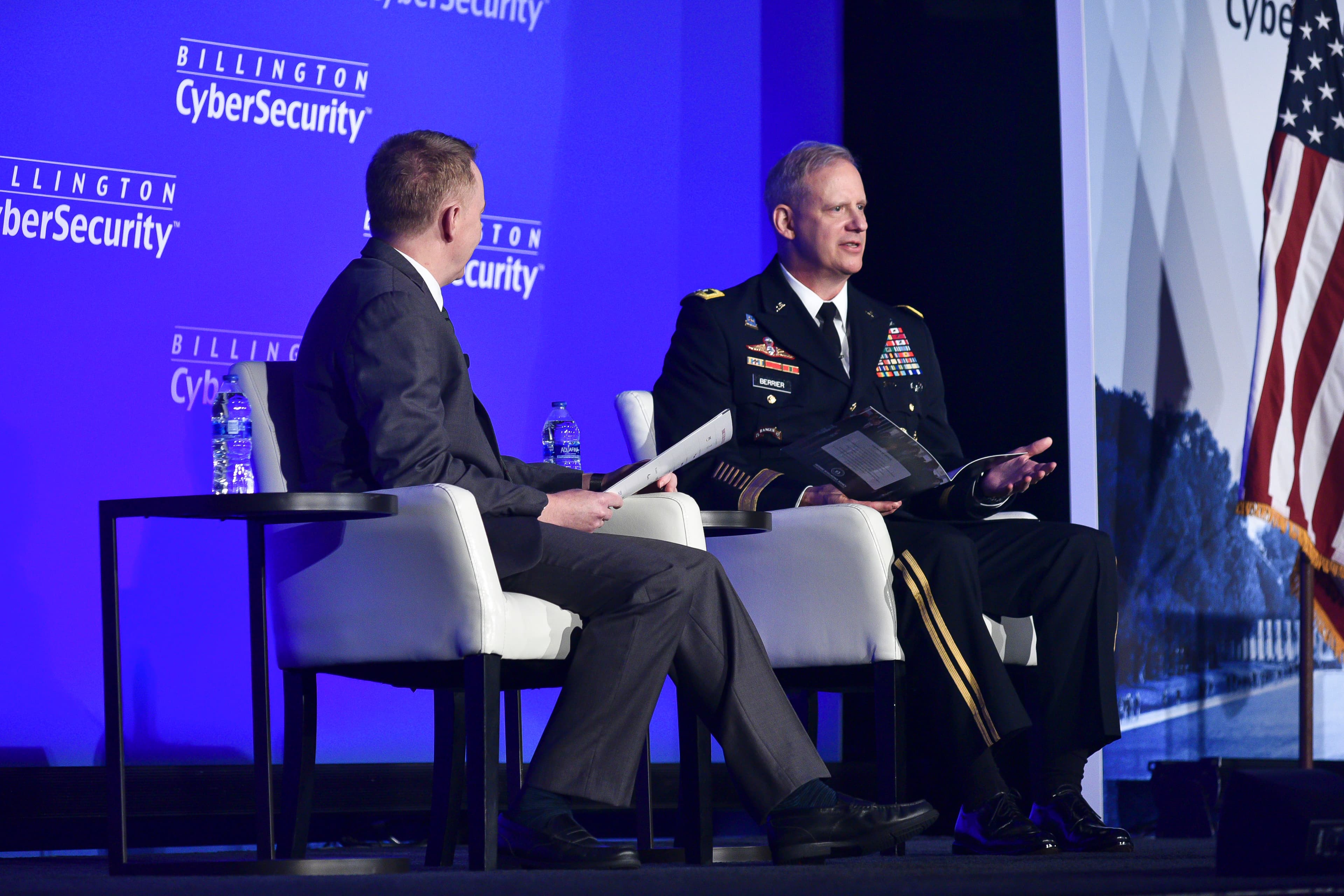
The exercise wasn't classified or hidden. It was documented, photographed, and livestreamed. Participants included representatives from the Centers for Disease Control and Prevention, the Chinese Center for Disease Control and Prevention, the United Nations, major pharmaceutical companies, and global health organizations. Over the course of a single day, these officials worked through various scenarios involving a fictional pathogen called CAPS—a coronavirus originating in bats that spread to humans through intermediate hosts.
The simulated virus bore striking similarities to what would emerge weeks later. According to the official Event 201 report, the fictional pathogen was described as "a cousin of SARS, slightly more transmissible, like the flu, and slightly more lethal." The exercise modeled a scenario where the virus killed 65 million people within 18 months and triggered global economic collapse. The simulation examined how governments, businesses, and international organizations would struggle with misinformation, supply chain breakdowns, and the challenge of coordinating a unified response.
When COVID-19 appeared in late December 2019, observers immediately noticed the parallels. Online, the claim that "predicted" the pandemic spread rapidly. Skeptics and critics seized on the specificity of the simulation and its proximity to the actual outbreak as evidence of foreknowledge or, in more extreme interpretations, intentional planning.
Get the 5 biggest receipts every week, straight to your inbox — plus an exclusive PDF: The Top 10 Conspiracy Theories Proven True in 2025-2026. No spam. No agenda. Just the papers they couldn't hide.
You just read "The Gates Foundation, WEF, and Johns Hopkins ran a coronavir…". We send ones like this every week.
No one's said anything yet. Be the first to drop your take.
The organizers' response was straightforward: pandemic simulations are routine. They emphasized that the exercise was one of many ongoing preparedness efforts, similar to past drills conducted by governments worldwide. They pointed out that coronavirus threats from animal reservoirs had been identified as a serious risk for years. Johns Hopkins noted that such simulations are standard practice in public health, designed specifically to identify gaps in pandemic response systems before a real crisis occurs.
What's verifiable is this: Event 201 happened. The documentation exists. The similarities between the simulation parameters and COVID-19's actual characteristics are genuine. The timing—six weeks prior—is factual and undisputed.
What remains legitimately debatable is whether this represents extraordinary foresight, routine risk planning, or something else entirely. Public health officials argue that warnings about coronavirus pandemics had been issued for over a decade. The 2015 Zika outbreak and emerging research on zoonotic diseases made pandemic preparedness a recognized priority.
Yet the episode illustrates something crucial about public trust in institutions. When major foundations, international bodies, and health agencies conduct a detailed simulation of an event that then occurs in reality, skepticism becomes understandable rather than irrational. The gap between institutional explanation and public perception matters. Clear communication about why such simulations occur, their frequency, and their purposes could have prevented much of the suspicion that followed.
Event 201 remains instructive not because it proves conspiracy, but because it demonstrates how legitimate institutional activities can fuel distrust when the public lacks transparent understanding of how expertise and preparedness actually function.
Beat the odds
This had a 0.8% chance of leaking — someone talked anyway.
Conspirators
~300Network
Secret kept
6.6 years
Time to 95% exposure
500+ years