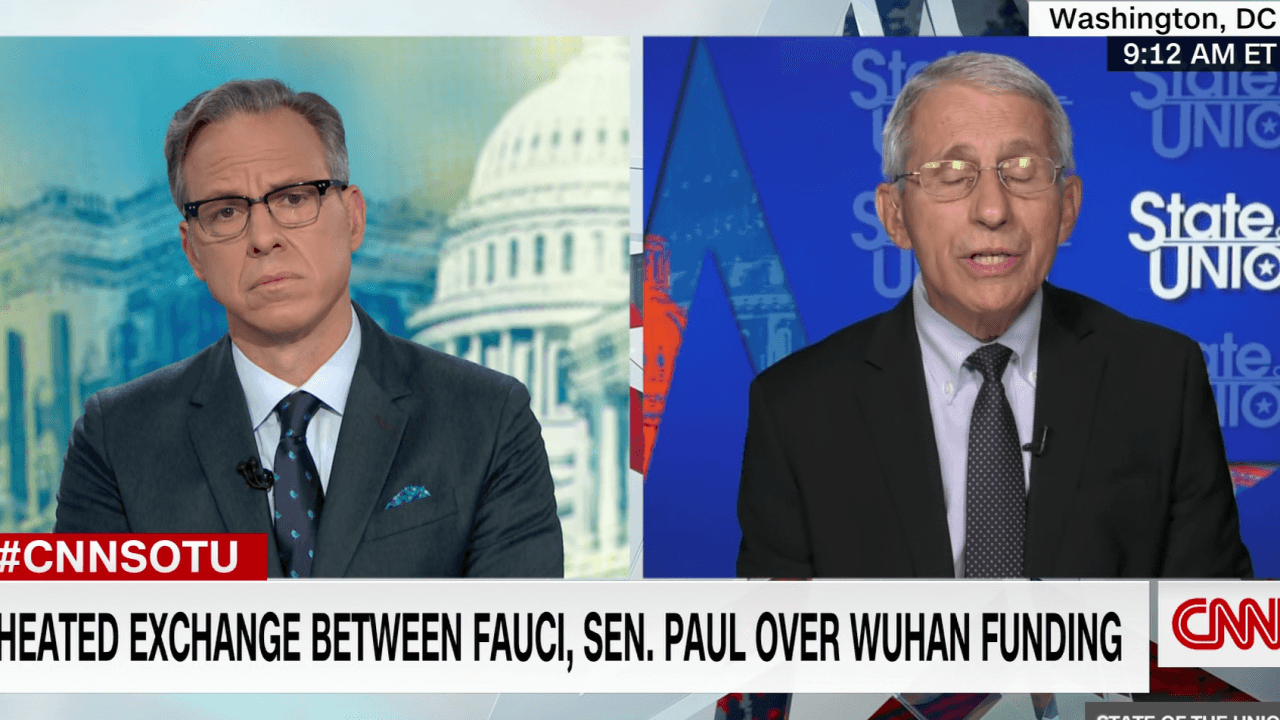
FOIA: aide briefed Fauci on NIH-Wuhan ties. Feb 1: 'unusual features' email. Fauci to deputy: 'You will have tasks today.' Publicly denied NIH funded GoF.
“His emails show he KNEW. Scientists said virus looked engineered. He said it was natural.”
What they said vs. what the evidence shows
“NIH has not ever funded gain-of-function at WIV.”
— Fauci · May 2021
SourceFrom “crazy” to confirmed
The Claim Is Made
This is the moment they called it crazy.
In early 2020, as the world struggled to understand the origins of a novel coronavirus, a critical question emerged: did American research institutions help fund the very research at the Wuhan Institute of Virology that might have created it? For months, senior U.S. health officials denied any connection. Documents released through FOIA requests tell a different story.
According to newly released records, Dr. Anthony Fauci, director of the National Institute of Allergy and Infectious Diseases, was briefed in January 2020 about potential NIH funding ties to gain-of-function research at the Wuhan lab. Yet when asked publicly about this connection in the months that followed, Fauci denied the NIH had funded such research. The gap between what he knew and what he said raises serious questions about transparency during a critical moment in the pandemic's early response.
The timeline matters. In January 2020, an aide briefed Fauci on the NIH's relationship with the Wuhan Institute of Virology. Then, on February 1, 2020, Fauci received an email from colleagues describing the virus's "unusual features" — characteristics that some scientists believed indicated genetic manipulation. That same day, Fauci instructed a deputy: "You will have tasks today." The specifics of those tasks remain unclear, but the sequence suggests urgent action was taken.
What happened next is where the discrepancy becomes significant. In public statements and congressional testimony over subsequent months, Fauci repeatedly stated that the NIH had not funded gain-of-function research at the Wuhan lab. These denials came despite the January briefing and despite the growing scientific discussion about the virus's origins. When pressed on the issue, he maintained this position consistently.
The FOIA documents paint a more complicated picture. They show that NIH funding had flowed to EcoHealth Alliance, a nonprofit that collaborated with the Wuhan Institute of Virology. While the extent to which these grants specifically supported gain-of-function research remains debated, the documents confirm that funding connections existed that Fauci had been made aware of in real time.
Get the 5 biggest receipts every week, straight to your inbox — plus an exclusive PDF: The Top 10 Conspiracy Theories Proven True in 2025-2026. No spam. No agenda. Just the papers they couldn't hide.
You just read "Fauci briefed Jan 2020 that NIH funded gain-of-function at W…". We send ones like this every week.
No one's said anything yet. Be the first to drop your take.
Source: Fauci briefed Jan 2020 that NIH funded gain-of-function at Wuhan, denied it publ
Confirmed: They Were Right
The truth comes out. Officially documented.
Confirmed: They Were Right
The truth comes out. Officially documented.
This doesn't necessarily mean Fauci deliberately lied. It's possible he distinguished between direct NIH funding of the lab and indirect support through intermediary organizations. It's possible the January briefing lacked specificity. But that's precisely the problem. When the head of a major health agency is vague or categorical in public statements about research funding during a pandemic, citizens deserve clarity.
The partially verified status of this claim reflects genuine complexity. The documents confirm Fauci knew about NIH-Wuhan connections in January 2020 and that he made denials later. They don't definitively prove he was deliberately deceiving the public. But they do show a discrepancy between his knowledge and his statements that warrants scrutiny.
What makes this significant extends beyond one official's credibility. During a pandemic, public health depends on trust between institutions and citizens. When important details about research funding and potential conflicts of interest remain obscured, that trust erodes. Whether through intentional deception or bureaucratic compartmentalization, the American public received incomplete information about a crucial aspect of pandemic origins.
The lesson isn't that conspiracies are always true. It's that official denials require verification, especially on matters of substantial public importance. We should be able to trust our health leaders. But trust must be earned through transparency, not asserted through authority.
See also: [Conflicts of Interest: Declassified Cases Proving Regulatory Capture](/blog/conflicts-of-interest-proven-government-corporate) — our deeper breakdown of this topic.
Beat the odds
This had a 0.4% chance of leaking — someone talked anyway.
Conspirators
~300Network
Secret kept
3 years
Time to 95% exposure
500+ years