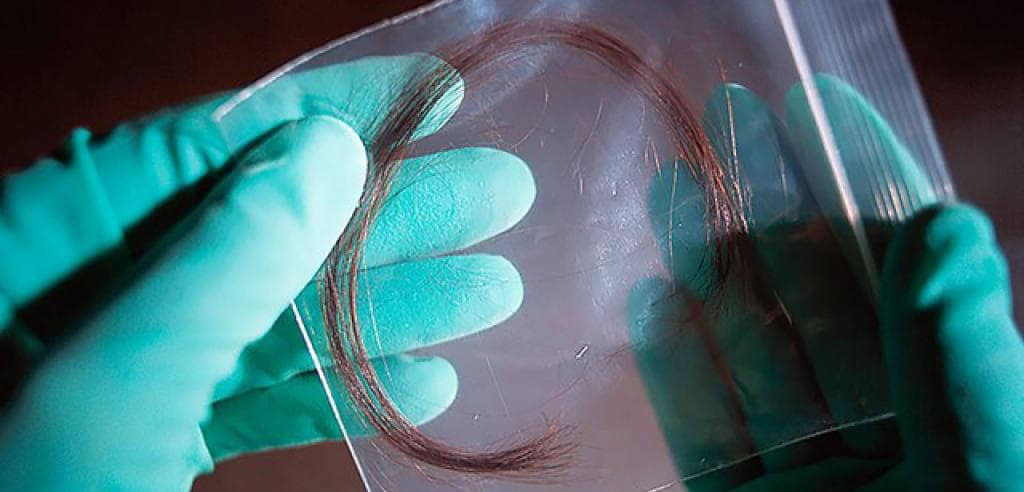
A 2015 FBI/DOJ review found that 26 of 28 FBI hair analysts gave flawed testimony in 95% of 268 trials examined from 1972 to 1999. The analysts overstated the significance of microscopic hair analysis to favor prosecutors. Of the 268 defendants, 32 were sentenced to death and 14 had already been executed. The FBI had known since at least 1997 that hair analysis was unreliable but continued defending convictions. The review covered only a fraction of the estimated 3,000+ cases affected.
“These are not mistakes. For over two decades, FBI agents systematically provided scientifically invalid testimony that helped convict potentially innocent people. Fourteen were executed.”
From “crazy” to confirmed
The Claim Is Made
This is the moment they called it crazy.
When the FBI finally acknowledged systemic problems with its forensic hair analysis in 2015, it wasn't announcing a minor technical glitch. It was admitting that one of the most trusted investigative tools in American law enforcement had sent innocent people to death row based on flawed science that its own analysts knew was unreliable for nearly two decades.
For years, critics had argued that microscopic hair comparison—the practice of matching hair found at crime scenes to suspects—was pseudoscience dressed up in official language. The FBI dismissed these concerns, defending the methodology in court and standing by convictions obtained partly through hair evidence. Defense attorneys and forensic experts raised alarms throughout the 1990s and 2000s, but their warnings were treated as fringe doubts about an established practice.
Then came the 2015 review. When the FBI and Department of Justice finally examined their own case files, they discovered something they could no longer dismiss: In 268 trials studied from 1972 to 1999, 26 of 28 FBI hair analysts had given testimony that overstated what hair analysis could actually prove. The exaggeration rate reached 95 percent. These weren't isolated mistakes by rogue analysts—this was systemic testimony that consistently favored prosecutors by claiming certainty where none existed.
The stakes were staggering. Among the 268 defendants examined in that review, 32 had been sentenced to death. Fourteen had already been executed. The review covered only a fraction of cases; estimates suggest more than 3,000 additional cases involved FBI hair testimony that may have been similarly compromised.
What made this even more damning was the timeline. Internal records showed knew since at least 1997 that microscopic hair comparison lacked the scientific foundation its analysts were claiming in court. Yet the Bureau continued to defend convictions and resist corrections for years afterward. The knowledge existed; the action did not.
Get the 5 biggest receipts every week, straight to your inbox — plus an exclusive PDF: The Top 10 Conspiracy Theories Proven True in 2025-2026. No spam. No agenda. Just the papers they couldn't hide.
You just read "The FBI admitted its forensic hair analysts gave flawed test…". We send ones like this every week.
No one's said anything yet. Be the first to drop your take.
Confirmed: They Were Right
The truth comes out. Officially documented.
Confirmed: They Were Right
The truth comes out. Officially documented.
The 2015 review was thorough but limited. It examined hair testimony given before 2000, leaving open questions about thousands of cases since then. It focused on FBI analysts but didn't account for the countless state and local analysts who used similar methods. The review also came without the kind of institutional reckoning one might expect—no major prosecutions of officials who allowed false testimony, no comprehensive effort to identify and exonerate all affected defendants.
This case represents something larger than a single forensic technique gone wrong. It shows how official institutions can maintain false authority even when internal evidence contradicts their public claims. The FBI's hair analysts weren't outliers; they were operating within a culture that treated prosecutorial support as part of their job. That culture was only disrupted when external pressure and public scrutiny became impossible to ignore.
For the families of those 14 executed defendants, the 2015 admission arrived too late. For the survivors among wrongfully convicted prisoners, it meant decades of lost freedom that no official apology could restore. For the public, it raised a harder question: What other forensic methods we've relied on for decades might contain similar hidden flaws? The answer remains unknown, which may be the most important lesson this case teaches.
Beat the odds
This had a 0% chance of leaking — someone talked anyway.
Conspirators
~50Network
Secret kept
0.5 years
Time to 95% exposure
500+ years