The FBI denied targeting civil rights leaders, but documents revealed systematic surveillance and disruption of MLK, Black Panthers, and antiwar groups from 1956-1971.
“The FBI does not engage in domestic surveillance of political groups or civil rights organizations”
From “crazy” to confirmed
The Claim Is Made
This is the moment they called it crazy.
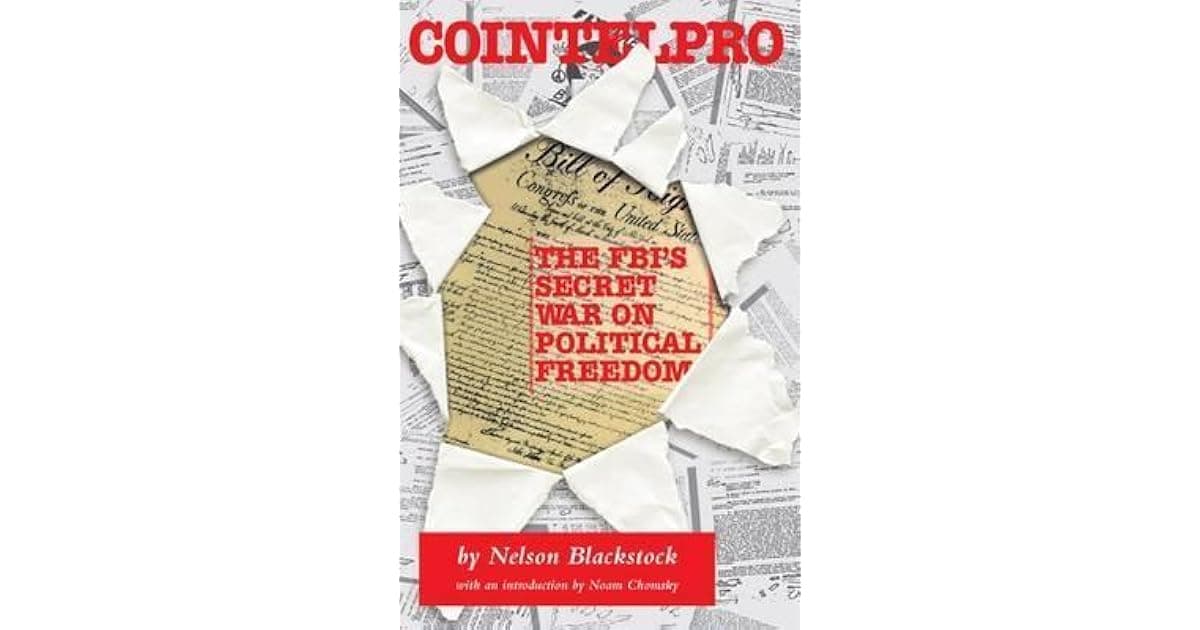
The Federal Bureau of Investigation spent fifteen years running a domestic surveillance program so extensive and ethically compromised that even by Cold War standards, it strained the limits of what law enforcement claimed was necessary. The operation, later exposed as COINTELPRO, targeted some of the most prominent civil rights leaders and activist groups in American history—and the FBI lied about it consistently.
For decades, the FBI maintained that it did not specifically target civil rights organizations or their leaders. When accusations surfaced that the bureau had surveilled Martin Luther King Jr., had monitored the Black Panther Party, and had conducted counterintelligence operations against antiwar activists, the agency denied the allegations outright. Officials insisted they were simply conducting routine national security investigations. The narrative was clean and reassuring: the FBI was doing its job, nothing more.
What made this claim credible enough to be believed wasn't persuasive rhetoric—it was official denial backed by institutional authority. The FBI had the resources to control its own narrative, and few entities possessed the leverage to challenge it. Citizens and civil rights leaders had raised concerns for years, but the bureau's consistent denials, combined with classification laws that kept sensitive documents hidden, allowed the falsehoods to persist. The prevailing assumption was that America's premiere law enforcement agency wouldn't systematically lie to the public about such matters.
In 1971, that assumption collapsed. Burglars broke into an FBI field office in Media, Pennsylvania, and stolen documents revealed the truth: had been running —Counterintelligence Program—since at least 1956. The program didn't end in 1971; it had simply been operating in the shadows for years. The documents were devastating.
Get the 5 biggest receipts every week, straight to your inbox — plus an exclusive PDF: The Top 10 Conspiracy Theories Proven True in 2025-2026. No spam. No agenda. Just the papers they couldn't hide.
You just read "FBI's COINTELPRO illegally surveilled and disrupted civil ri…". We send ones like this every week.
No one's said anything yet. Be the first to drop your take.
They showed systematic surveillance of Martin Luther King Jr., extensive file-building on Black Panther Party members, and coordinated disruption campaigns against antiwar groups. The FBI hadn't merely watched these organizations—it had actively interfered in their operations. The documents revealed specific directives to disrupt, discredit, and destabilize civil rights groups. Letters were forged. Informants were planted. Relationships were deliberately sabotaged. The operation was neither defensive nor reactive; it was strategic harassment, authorized from the top.
Subsequent investigations and congressional hearings in the 1970s confirmed the scope of COINTELPRO. The program had operated from 1956 to 1971 and targeted dozens of organizations. The intelligence community couldn't deny what was now in black and white. J. Edgar Hoover, who had led the FBI throughout the operation's duration, had authorized the program and personally signed off on many of its most controversial directives.
This case matters because it revealed how thoroughly institutions can mislead the public when accountability mechanisms are weak. The FBI didn't simply make a mistake; it constructed a false narrative and maintained it through denial and secrecy. The only reason the truth emerged was through a break-in, not through institutional transparency or accountability. If that burglary hadn't happened, the program might have remained secret indefinitely.
Today, COINTELPRO stands as a historical benchmark for institutional dishonesty—one where initial denials seemed plausible enough to stick for years. It demonstrates why public trust in surveillance programs requires more than assurances from the agencies conducting them. Verification matters. Documentation matters. And sometimes, uncomfortable truths only surface when secrecy is forcibly breached.
Beat the odds
This had a 4.3% chance of leaking — someone talked anyway.
Conspirators
~200Network
Secret kept
55.2 years
Time to 95% exposure
500+ years