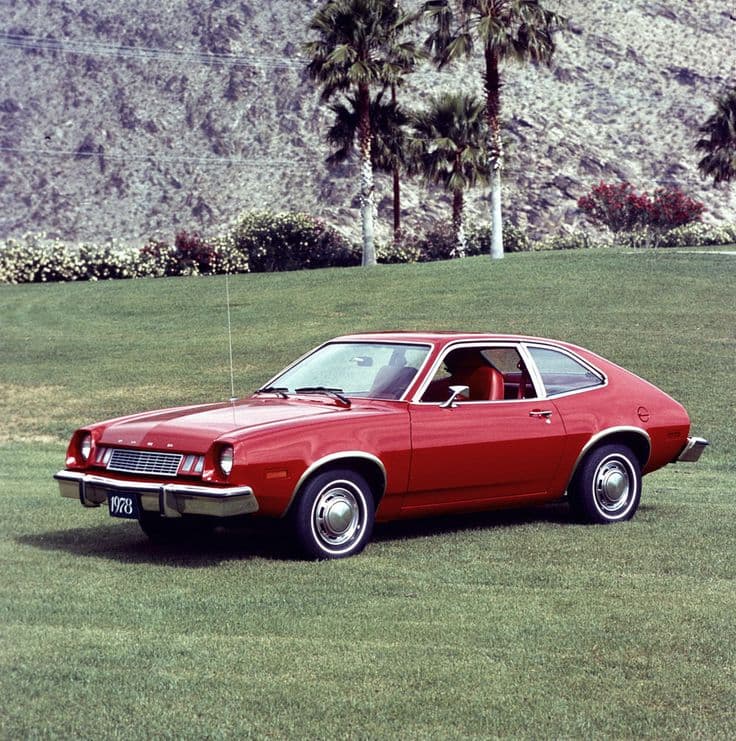
Internal Ford memos showed executives calculated it was cheaper to pay wrongful death settlements than fix the $11 Pinto gas tank design flaw. The company performed cost-benefit analysis valuing human life at $200,000.
“The Pinto meets all applicable federal safety standards for fuel system integrity”
From “crazy” to confirmed
The Claim Is Made
This is the moment they called it crazy.
In the 1970s, Ford Motor Company manufactured a car that would become synonymous with corporate negligence: the Pinto. What began as a straightforward safety concern evolved into something far more damning—documented evidence that the company knew about a fatal design flaw and decided it was cheaper to let people burn to death than to fix it.
The claim emerged from a simple observation: Pintos were catching fire in rear-end collisions. Between 1971 and 1980, numerous accidents resulted in fuel tank ruptures, often fatal to occupants. Consumer advocates and safety experts began asking uncomfortable questions. Was this a design defect? Did Ford know about it before the car ever reached dealerships?
Ford's initial response was defensive and predictable. The company maintained that the Pinto's fuel tank design met all federal safety standards of the time. Executives argued that rear-impact fires were rare and that the Pinto's design was comparable to competitors' vehicles. Internal safety concerns, they suggested, were overblown by activists and the media. The company resisted recalls and fought legal battles, characterizing the issue as inevitable in any vehicle subjected to severe crashes.
Everything changed when documents surfaced during litigation. The evidence came from Ford's own internal cost-benefit analysis—a calculation the company had performed during the Pinto's development phase. Engineers had identified the fuel tank vulnerability and estimated the cost to fix it: approximately $11 per vehicle, or roughly $137 million across the entire fleet. Ford then calculated the cost of lawsuits and settlements, assigning a monetary value to human life. Using federal estimates, the company valued each death at $200,000.
The mathematics were brutal and clear. Paying settlements for an estimated 180 deaths would cost less than implementing the fix. Ford chose settlements.
Get the 5 biggest receipts every week, straight to your inbox — plus an exclusive PDF: The Top 10 Conspiracy Theories Proven True in 2025-2026. No spam. No agenda. Just the papers they couldn't hide.
You just read "Ford Motor Company knew Pinto gas tanks would explode in rea…". We send ones like this every week.
No one's said anything yet. Be the first to drop your take.
These weren't vague discussions or casual remarks. The memos were methodical, detailed, and signed by people whose names appeared in organizational charts. The analysis existed in Ford's internal files, documented in black and white. When plaintiffs' lawyers obtained these documents, they revealed a corporation that had weighed lives against dollars and concluded that profits mattered more.
By 1978, the pressure became too severe to ignore. Ford initiated a recall, but only after public pressure and media attention had mounted. By that point, hundreds had died. Estimates vary, but the Pinto was linked to somewhere between 500 and 900 deaths from fuel fires—though Ford's own projections had suggested far fewer would actually occur.
The Pinto case fundamentally altered how Americans viewed corporate accountability. It wasn't just about a defective car; it was about the deliberate prioritization of profits over human safety. The internal memos proved that someone at Ford had known, calculated, and chosen. They hadn't made an honest mistake—they'd made a conscious decision.
Decades later, the Pinto remains a textbook example of how far a company will go to protect its bottom line. It stands as a reminder that corporations sometimes need external pressure—regulations, lawsuits, and public outrage—to do what's right. Trust, once fractured by documented betrayal, takes generations to rebuild.