Dominion lawsuit discovery revealed Fox executives and hosts privately acknowledged election fraud claims were false while continuing to promote them on-air. Internal communications contradicted public statements.
“We report on legitimate questions about election integrity and give voice to concerned Americans”
From “crazy” to confirmed
The Claim Is Made
This is the moment they called it crazy.
When Dominion Voting Systems filed a $1.6 billion defamation lawsuit against Fox News in 2021, few expected the discovery process would expose what Fox's own executives really thought about the election fraud claims their network spent months promoting. But internal messages obtained during litigation told a starkly different story than what millions of viewers heard on air.
Throughout late 2020 and early 2021, Fox News hosts and contributors repeatedly claimed that Dominion's voting machines had been manipulated to change votes from Donald Trump to Joe Biden. These weren't casual observations—they were presented as serious allegations with investigative backing. Rupert Murdoch's network gave airtime to lawyers, election experts, and political figures making specific claims about software glitches, Venezuelan interference, and systematic fraud affecting millions of votes.
When Dominion pushed back publicly, Fox News stood by its coverage. The network's lawyers argued they were simply reporting on claims being made by credible sources, a standard journalistic defense. Fox News maintained that it had done nothing wrong and that the allegations were newsworthy, regardless of whether they later proved false. This was the official position: we reported what people were saying.
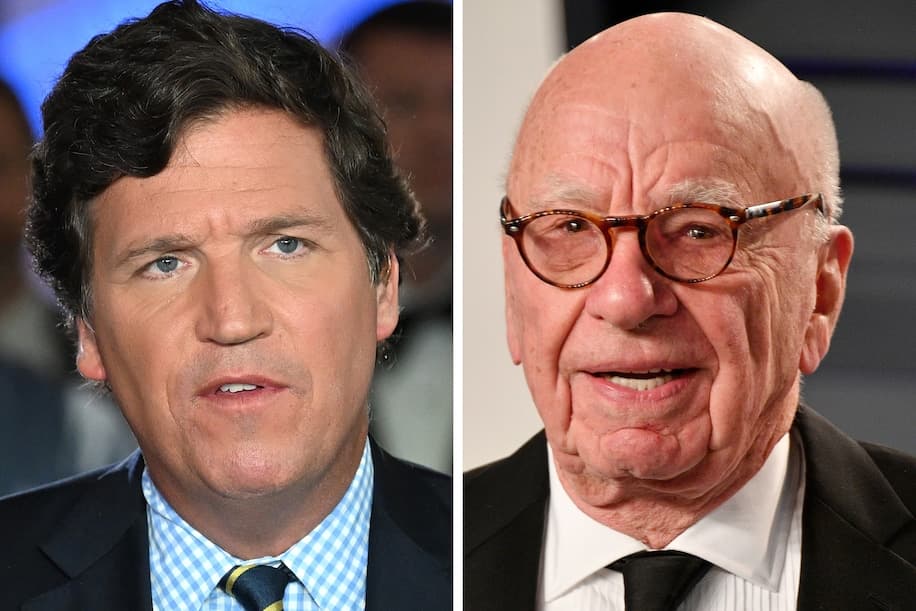
The legal discovery process changed everything. Internal communications between Fox executives, hosts, and producers revealed something the public didn't see in broadcasts: private acknowledgment that the fraud claims had no merit. Rupert Murdoch himself expressed skepticism about the allegations in messages. Hosts like Tucker Carlson and Laura Ingraham privately stated they didn't believe the claims while continuing to air them. Producer communications showed awareness that key sources making these allegations lacked credibility.
One particularly telling pattern emerged: the same people promoting these claims on television were simultaneously expressing doubts or dismissing them in private messages and meetings. This wasn't a case of honest journalists being fooled by sources they trusted. This was a documented gap between what was being said for public consumption and what was being said behind closed doors.
The implications of this discrepancy matter far beyond a single lawsuit. When media executives knowingly broadcast claims they privately believe are false, it fundamentally breaks the social contract between journalists and their audience. Viewers tune in with the assumption that editors and hosts are at least trying to get things right, even if they sometimes fail. The discovery documents suggested something different: that institutional decisions were being made to continue airing content despite private knowledge of its falsity.
Fox ultimately settled with Dominion for $787.5 million without admitting wrongdoing, though the internal communications had already become public record. The network also reached separate settlements with other voting machine companies. These weren't settlements that acknowledged error—they were commercial transactions that ended litigation.
What this case revealed is that conspiracy theories don't always originate from fringe believers operating in good faith. Sometimes they emerge from major institutions with resources, platforms, and decision-making authority. The people closest to the truth—those actually making editorial decisions—sometimes know better than what they're broadcasting.
This matters because it shifts how we should think about media accountability. It's not enough to fact-check the claims being broadcast. We should also demand visibility into what institutional gatekeepers privately believe about those claims. The Dominion discovery proved that what's said on camera and what's known in closed-door meetings can be two entirely different things.
Get the 5 biggest receipts every week, straight to your inbox — plus an exclusive PDF: The Top 10 Conspiracy Theories Proven True in 2025-2026. No spam. No agenda. Just the papers they couldn't hide.
You just read "Fox News Executives Admitted Promoting False 2020 Election C…". We send ones like this every week.
No one's said anything yet. Be the first to drop your take.