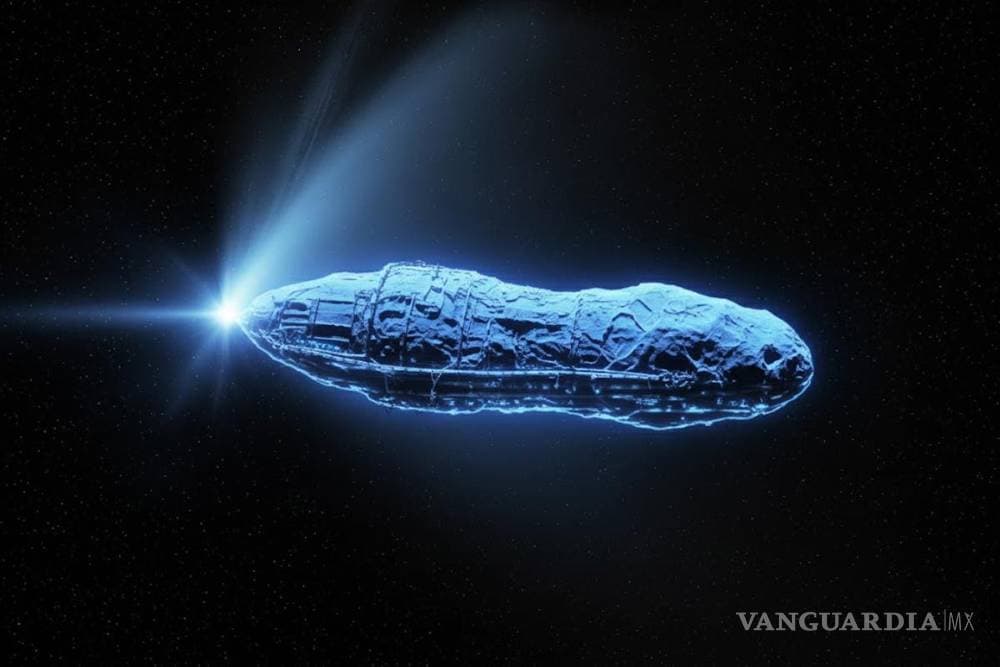
A group of French generals and officials published the COMETA report in 1999, concluding UFOs likely have extraterrestrial origin, contradicting official government skepticism.
“The French government does not consider UFOs a matter worthy of serious scientific study”
From “crazy” to confirmed
The Claim Is Made
This is the moment they called it crazy.
When a group of France's most decorated military and intelligence officials quietly published a classified report in 1999, they weren't mincing words: UFOs were real, they were likely extraterrestrial in origin, and governments around the world had been lying about it. The COMETA report, authored by senior French generals and aerospace experts, represented something unprecedented—official acknowledgment from credible institutional sources that contradicted everything their own government was saying in public.
The context matters here. Throughout the 1990s, France's official position mirrored that of most Western governments: UFOs were either misidentifications of conventional aircraft, atmospheric phenomena, or the products of overactive imaginations. The French government maintained public skepticism while simultaneously collecting reports through official channels. This disconnect between what officials knew and what they told the public is precisely what made COMETA significant.
The report's authors included former military intelligence directors and aerospace specialists with decades of experience identifying actual aircraft, weather balloons, and other prosaic explanations. These weren't fringe believers or amateur astronomers. They were credentialed experts with security clearances and reputations to protect. Their conclusion—that a substantial portion of documented UFO sightings couldn't be explained by conventional means—carried weight precisely because of who was saying it.
What the COMETA report did was document the disparity between classified government knowledge and public statements. The authors had access to French military files, international reports, and technical analysis that the general population didn't. Their findings suggested that governments possessed evidence supporting extraterrestrial UFO hypotheses but continued dismissing the possibility publicly. This wasn't mere speculation; it was an institutional assessment based on years of accumulated data.
Get the 5 biggest receipts every week, straight to your inbox — plus an exclusive PDF: The Top 10 Conspiracy Theories Proven True in 2025-2026. No spam. No agenda. Just the papers they couldn't hide.
You just read "French COMETA Report Acknowledged UFO Reality Despite Govern…". We send ones like this every week.
No one's said anything yet. Be the first to drop your take.
The French government's response was notably restrained. Rather than attacking the report's credibility, officials essentially acknowledged its existence while maintaining official agnosticism on the subject. This quiet acceptance allowed the report to circulate among researchers, journalists, and international governments without becoming a major political controversy. France didn't recant its public skepticism, but it also didn't aggressively suppressed the COMETA findings.
Decades later, documents released through various transparency initiatives and declassified government files have consistently supported the COMETA report's central assertion: militaries and intelligence agencies worldwide have collected credible UFO evidence that doesn't fit conventional explanations. The 2022 U.S. intelligence community report on UAPs, for instance, acknowledged legitimate sightings that defy easy categorization. France's own recent acknowledgment of UFO research furthers validates what COMETA concluded in 1999.
What's instructive here isn't necessarily that UFOs are aliens—that remains unproven. Rather, it's that institutional players with access to classified information concluded something publicly deniable while maintaining plausible official skepticism. The COMETA report demonstrated a pattern: governments collect UFO data seriously while dismissing public interest in the topic as fringe obsession.
This matters for public trust because it reveals how institutional credibility works. When senior military officials privately conclude something exists but publicly deny it, citizens reasonably question what else might be subject to similar treatment. The COMETA report wasn't explosive at the time, but it established a documented case of official knowledge preceding official acknowledgment. That distinction—between what authorities know and what they admit knowing—remains relevant to how we evaluate institutional transparency today.
Unlikely leak
Only 5.2% chance this would come out. It did.
Conspirators
~500Large op
Secret kept
26.8 years
Time to 95% exposure
500+ years