Anthony Fauci told Congress the NIH 'has not ever and does not now fund gain-of-function research in the Wuhan Institute of Virology.' However, NIH Deputy Director Lawrence Tabak later testified that NIH was funding gain-of-function research through EcoHealth Alliance's grant to WIV. Scientists at Wuhan created chimeric coronaviruses that reproduced far more quickly than originals in engineered mice. EcoHealth was recommended for criminal investigation and debarment.
“The NIH has not ever and does not now fund gain-of-function research in the Wuhan Institute of Virology.”
From “crazy” to confirmed
The Claim Is Made
This is the moment they called it crazy.
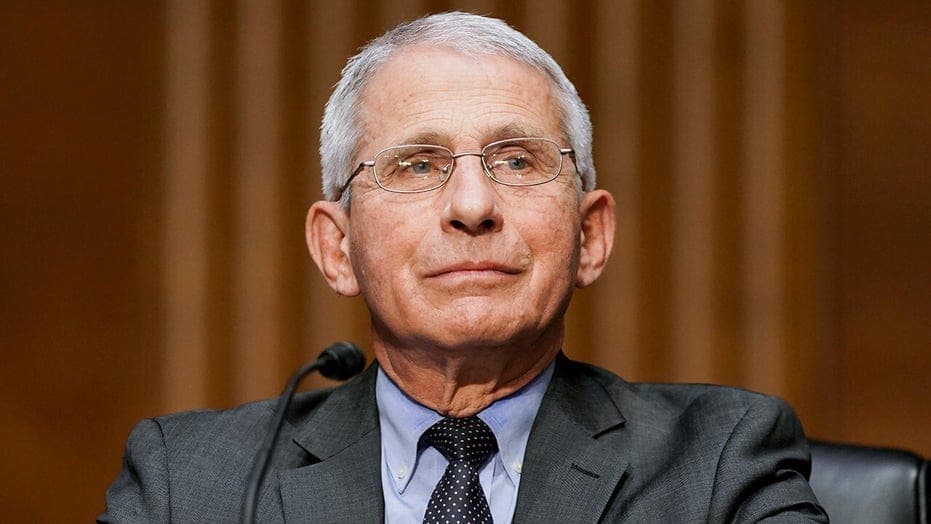
During congressional testimony in May 2021, Dr. Anthony Fauci made an unequivocal statement about U.S. funding for coronavirus research in China. "The NIH has not ever and does not now fund gain-of-function research in the Wuhan Institute of Virology," he told lawmakers. The assertion was categorical, leaving no room for ambiguity. At the time, it appeared to settle a contentious debate that had consumed media coverage and dominated discussions about the origins of COVID-19.
What followed was a familiar pattern: the claim was dismissed by mainstream outlets and health officials as misinformation, a conspiracy theory without credible basis. Critics of the narrative were accused of promoting unfounded speculation. The matter seemed closed.
Yet nearly a year later, the ground shifted. In testimony before Congress, Lawrence Tabak, the Deputy Director of the National Institutes of Health, made a different admission. The NIH, he confirmed, had indeed been funding gain-of-function research—just not directly. Instead, the agency had funneled money through an intermediary organization called EcoHealth Alliance, which then distributed grants to the Wuhan Institute of Virology. This distinction proved crucial and, to many observers, fundamentally changed the nature of Fauci's original statement.
The specifics matter here. Researchers at Wuhan, using NIH-supported funding, had created chimeric coronaviruses—genetic combinations of different viral strains. These engineered viruses reproduced far more rapidly in laboratory mice than their natural counterparts. By definition, this work fell squarely within what scientists classify as gain-of-function research: genetic modification designed to increase viral transmissibility or pathogenicity.
The federal government's own documents substantiated this finding. NIH materials revealed that EcoHealth Alliance's grant proposals explicitly described the creation of chimeric viruses and their enhanced replication rates in animal models. There was no ambiguity in the scientific literature or grant documentation—the work had been conducted, and it had been funded by American taxpayer dollars, routed through the NIH.
Get the 5 biggest receipts every week, straight to your inbox — plus an exclusive PDF: The Top 10 Conspiracy Theories Proven True in 2025-2026. No spam. No agenda. Just the papers they couldn't hide.
You just read "Fauci denied funding gain-of-function research in Wuhan, but…". We send ones like this every week.
No one's said anything yet. Be the first to drop your take.
Confirmed: They Were Right
The truth comes out. Officially documented.
Confirmed: They Were Right
The truth comes out. Officially documented.
The consequences were not trivial. EcoHealth Alliance faced a criminal investigation referral and became subject to debarment proceedings, effectively barring the organization from receiving federal funding. The organization's leadership found itself defending decisions made years earlier, when the implications of the research pathway seemed less urgent than they would become in 2020.
What makes this case instructive goes beyond the specific facts of viral research funding. It illustrates how language can obscure rather than clarify, and how institutional structures can enable plausible deniability. A statement that technically parses as true—the NIH did not directly fund WIV—coexists with a functionally false impression: that the United States played no role in financing the research in question.
For public health institutions operating during a pandemic, precision in communication is not a luxury. It is foundational to maintaining the trust necessary for public cooperation during health crises. When the gap between a statement and subsequent revelations becomes apparent, the cost extends far beyond damaged credibility. It affects how citizens evaluate future claims from these same institutions, during emergencies when accurate information matters most.
Beat the odds
This had a 0.4% chance of leaking — someone talked anyway.
Conspirators
~300Network
Secret kept
3 years
Time to 95% exposure
500+ years