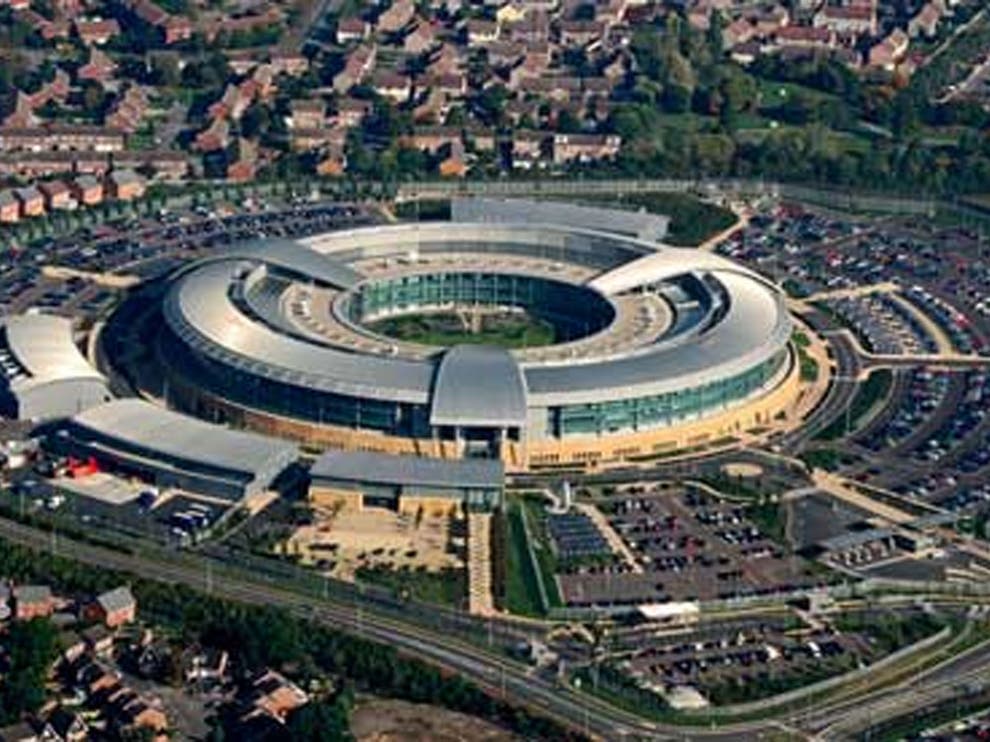
Snowden documents revealed Tempora, a GCHQ program operational since late 2011, which intercepted data from fiber-optic cables forming the backbone of the internet. GCHQ placed intercepts on over 200 cables, each carrying 10 gigabits per second, buffering content for 3 days and metadata for 30 days. The data was shared with the NSA. At its peak, GCHQ was processing 600 million 'telephone events' per day. The program operated under secret legal interpretations that were never publicly debated or approved by Parliament.
“British intelligence is literally tapping the fiber-optic cables that carry the internet, copying everything that passes through — every email, every web search, every phone call.”
From “crazy” to confirmed
The Claim Is Made
This is the moment they called it crazy.
When Edward Snowden walked into a Hong Kong hotel room in 2013 carrying thousands of classified documents, one revelation would fundamentally challenge how the Western world understood internet privacy. The British intelligence agency GCHQ, it turned out, had been systematically intercepting nearly all data flowing through undersea fiber-optic cables since late 2011—cables that carry the vast majority of global internet traffic. Few outside classified government circles knew this was happening.
The claim itself came not from conspiracy theorists or speculation, but from the Snowden documents themselves, which were subsequently analyzed and published by The Guardian in June 2013. The program had a name: Tempora. Its scale was staggering. GCHQ had placed intercepts on more than 200 fiber-optic cables, each capable of transmitting 10 gigabits of data per second. The agency was buffering the full content of this traffic for three days and metadata for thirty days, giving analysts a rolling window into virtually everything passing through British internet infrastructure.
Before the documents became public, the idea that a Western democracy's intelligence agency was conducting mass surveillance on this scale would have been dismissed as paranoid fiction. Government officials in the UK maintained a careful silence on GCHQ's capabilities, while Parliament operated under the assumption that such surveillance would require warrants and judicial oversight. The legal framework governing GCHQ's operations was deliberately obscured from public scrutiny. When privacy advocates raised concerns about bulk data collection, officials implied such activities were either impossible or already regulated.
Get the 5 biggest receipts every week, straight to your inbox — plus an exclusive PDF: The Top 10 Conspiracy Theories Proven True in 2025-2026. No spam. No agenda. Just the papers they couldn't hide.
You just read "GCHQ's Tempora program tapped undersea fiber-optic cables to…". We send ones like this every week.
No one's said anything yet. Be the first to drop your take.
Confirmed: They Were Right
The truth comes out. Officially documented.
Confirmed: They Were Right
The truth comes out. Officially documented.
The Snowden documents proved otherwise. At its peak, Tempora was processing 600 million so-called "telephone events" per day—a figure that included phone calls, emails, web browsing, and messaging data. The intelligence was shared directly with the NSA, making Tempora a crucial complement to American surveillance efforts. Crucially, the program operated under secret legal interpretations of the Regulation of Investigatory Powers Act. These interpretations were never publicly debated, never approved by Parliament, and never subjected to the judicial scrutiny that citizens assumed surrounded surveillance activities.
What made this particularly significant was the systematic nature of the deception. GCHQ and the government didn't merely fail to announce the program—they actively obscured its existence while claiming oversight mechanisms were in place. MPs and the general public had no idea this capability existed, let alone that it was being deployed at industrial scale. The cables Tempora tapped didn't just carry British communications; they carried the private digital lives of people worldwide.
The revelation mattered for a simple reason: it exposed the gap between what democratic societies believed their intelligence agencies were doing and what they were actually doing. It wasn't a rogue operation or a technical overreach. Tempora was systematic, approved at the highest levels, and deliberately hidden from the elected representatives who should have been aware of it. The program continued for nearly two years before the public learned of its existence.
This case illustrates why maintaining trust between citizens and government requires transparency, not its absence. When intelligence agencies operate under secret legal interpretations beyond public knowledge or parliamentary review, they're essentially operating outside democracy altogether. The Tempora documents didn't prove that surveillance was happening—it proved that the mechanisms meant to constrain it had failed entirely.
Beat the odds
This had a 0% chance of leaking — someone talked anyway.
Conspirators
~150Network
Secret kept
0.5 years
Time to 95% exposure
500+ years