Internal GE documents showed executives knew PCBs caused cancer and environmental damage but continued dumping for 30 years. GE fought cleanup efforts for decades while publicly claiming PCBs were harmless.
“PCBs in the Hudson River pose no significant health or environmental risk”
From “crazy” to confirmed
The Claim Is Made
This is the moment they called it crazy.
For three decades, General Electric dumped approximately 1.3 million pounds of polychlorinated biphenyls—PCBs—directly into the Hudson River while telling the public the chemicals were safe. The company's internal documents later revealed that executives knew the truth all along.
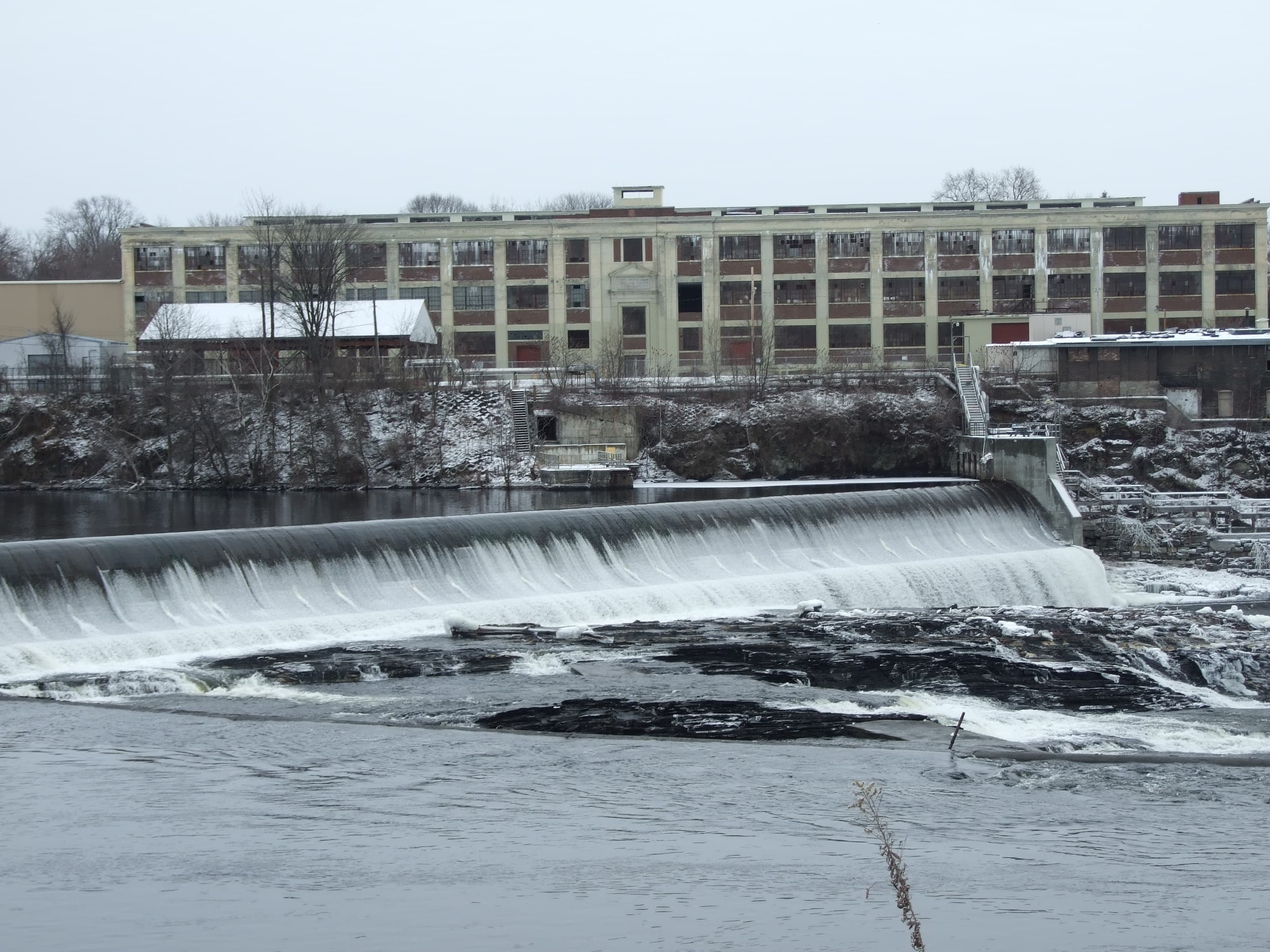
PCBs are synthetic chemicals that were widely used in electrical equipment throughout the twentieth century. They're persistent in the environment, accumulate in living tissue, and cause cancer in humans and animals. GE used them in transformer fluids at two manufacturing plants in Fort Edward and Hudson Falls, New York, both situated along the Hudson River. Between the 1940s and 1970s, the company allowed these chemicals to leach into the water supply serving thousands of people downstream.
When environmental concerns about PCBs first surfaced in the 1960s and early 1970s, GE's public position was consistent: the chemicals posed no significant danger. Company statements downplayed risks and suggested the scientific community remained divided on the question of PCB safety. This messaging was effective. The company maintained its reputation as a responsible industrial operator, and the dumping continued.
What changed was the emergence of GE's internal communications. Documents discovered during environmental investigations showed that company executives had known about PCB dangers for years before making any public acknowledgment. These weren't ambiguous memos or speculative discussions. The records demonstrated that GE had access to research showing PCBs caused cancer, persisted in the environment, and bioaccumulated through food chains. Despite this knowledge, the company continued operations without implementing adequate safeguards or informing communities about the risks they faced.
The Hudson River became so contaminated that it was eventually designated a Superfund site—one of the EPA's most severely polluted locations requiring federal intervention. Fish in the river accumulated dangerous levels of PCBs. People who ate fish from the Hudson faced elevated cancer risks. Communities that had relied on the river for food and recreation discovered their environment had been poisoned by a company that knew better.
GE's response to cleanup demands was equally telling. For decades, the company fought remediation efforts, disputed scientific findings, and lobbied against regulations that would require them to address the contamination. When cleanup finally began, it proceeded slowly and incompletely, with GE contesting nearly every aspect of the process.
This case matters because it illustrates a recurring pattern in corporate misconduct: the gap between what companies know internally and what they tell the public. GE had the information needed to make different choices. The company possessed research showing harm. Yet profit and convenience won out over public health.
The lesson extends beyond one company or one river. When institutions can hide inconvenient truths while broadcasting reassuring falsehoods, the public loses its ability to make informed decisions about risks to their health and environment. Trust in corporate statements requires accountability, and accountability requires transparency. The Hudson River's contamination is a permanent reminder of what happens when neither exists. The cleanup efforts continue today, more than fifty years after the dumping stopped, serving as an expensive and tragic monument to what was known and what was concealed.
Get the 5 biggest receipts every week, straight to your inbox — plus an exclusive PDF: The Top 10 Conspiracy Theories Proven True in 2025-2026. No spam. No agenda. Just the papers they couldn't hide.
You just read "General Electric dumped 1.3 million pounds of PCBs in Hudson…". We send ones like this every week.
No one's said anything yet. Be the first to drop your take.