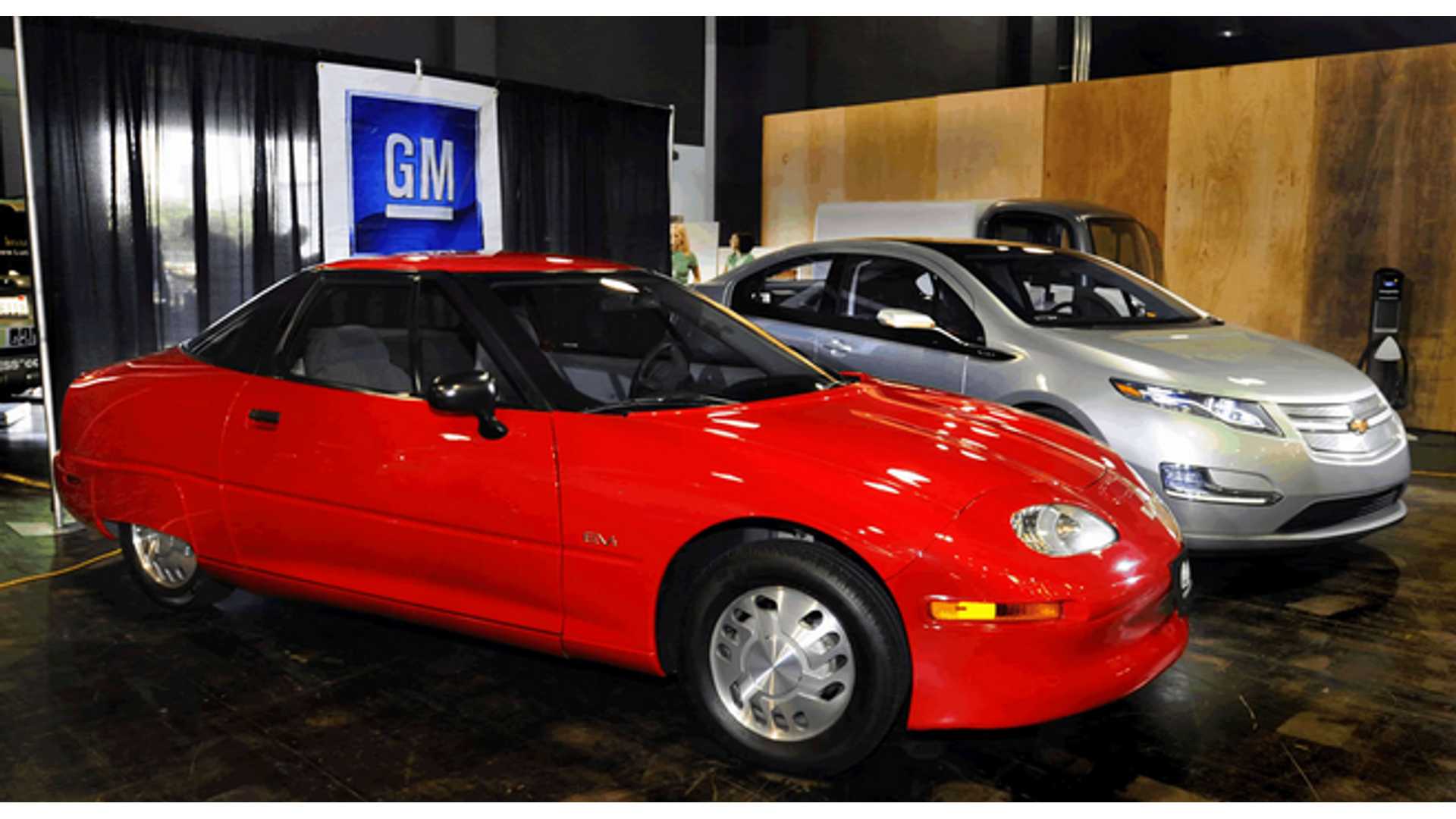
GM developed successful electric vehicles in the 1990s but deliberately killed the program, crushed nearly all EV1 cars, and prevented customers from purchasing them.
“GM claimed there was insufficient consumer demand for electric vehicles and the technology was not commercially viable.”
From “crazy” to confirmed
The Claim Is Made
This is the moment they called it crazy.
In the late 1990s, General Motors manufactured a car that worked. The EV1 was a two-seater electric vehicle with a range of up to 160 miles per charge, available only through lease in California and Arizona. By most accounts, customers who drove them loved them.
Yet between 2003 and 2005, GM systematically destroyed nearly the entire fleet. The company crushed, shredded, or dismantled approximately 99 percent of the roughly 1,100 EV1s it had produced. This wasn't a quiet end to a failed product line. It was deliberate, methodical, and in many cases, it happened against the explicit wishes of people driving and wanting to keep the vehicles.
When activists and environmental groups raised alarms at the time, GM's official position was straightforward: the EV1 program was simply not economically viable. The company claimed that battery technology wasn't sufficiently advanced, that consumer demand didn't justify continued production, and that the vehicles were ultimately impractical. The narrative was that GM had tried, learned it wasn't feasible, and moved on. This explanation satisfied many observers and, crucially, the regulatory agencies that had overseen the program.
But the documented record tells a different story. Internal communications and later public revelations showed that GM had actively prevented customers from purchasing their leased vehicles even when owners offered substantial sums. The company required that lease agreements include clauses prohibiting purchase, despite explicit customer interest. Rather than allowing the secondary market to determine the EV1's value and future, GM ensured that every vehicle would be controlled by the manufacturer.
The company's reasoning, pieced together from industry analysis and interviews, involved regulatory strategy rather than genuine technological limitation. The Zero Emission Vehicle (ZEV) mandate in California required manufacturers to produce and lease zero-emission vehicles to comply with state environmental regulations. Once regulations shifted and the political landscape changed—partly due to pressure from oil and automotive interests—GM had less incentive to maintain the program. Destroying the fleet eliminated evidence of what the technology could accomplish and prevented a used market that might have sustained interest in electric vehicles.
Get the 5 biggest receipts every week, straight to your inbox — plus an exclusive PDF: The Top 10 Conspiracy Theories Proven True in 2025-2026. No spam. No agenda. Just the papers they couldn't hide.
You just read "General Motors suppressed electric car technology and destro…". We send ones like this every week.
No one's said anything yet. Be the first to drop your take.
The 2006 documentary "Who Killed the Electric Car?" brought sustained attention to the issue and forced a reckoning with the official narrative. The film presented testimony from former engineers, marketing officials, and customers, along with documentation of GM's deliberate destruction policy. The evidence didn't necessarily prove malice so much as it proved that the company's public statements about infeasibility were incomplete at best.
Today, with electric vehicles from Tesla and traditional manufacturers becoming mainstream, the EV1 story reads as a fork in the road that wasn't taken. Had GM marketed and continued producing the EV1, the timeline for EV adoption might have been compressed by years. The company's decision to suppress rather than nurture the technology suggests that the electric vehicle revolution faced not just technical obstacles but institutional resistance.
This matters because it demonstrates how corporations can shape markets and public understanding through selective action rather than just selective communication. GM didn't lie about the EV1 so much as it allowed incomplete truths to stand while ensuring that alternative possibilities couldn't develop independently. It's a lesson relevant wherever questions arise about suppressed innovation: the absence of evidence isn't evidence of absence when someone has ensured the evidence won't survive.