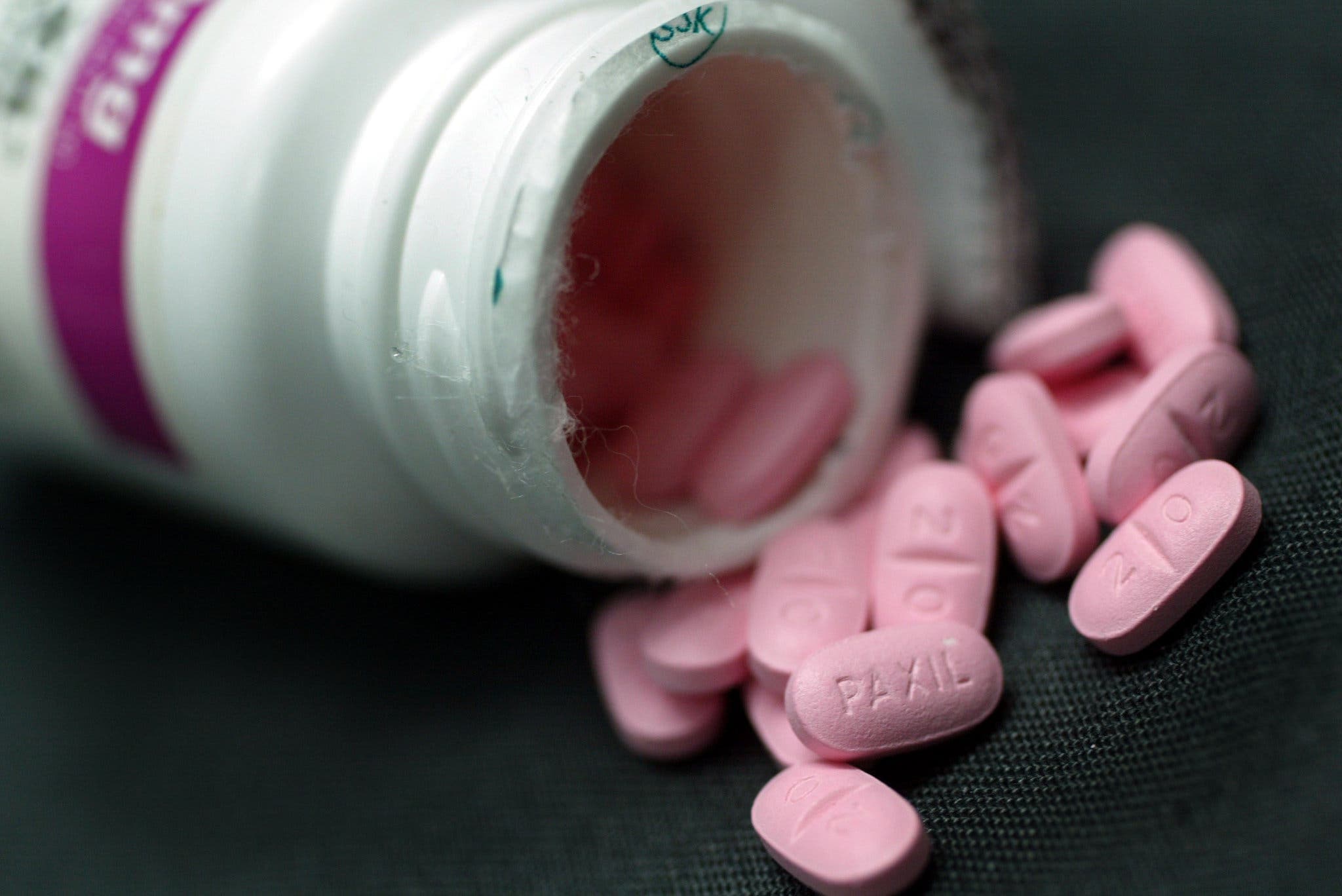
GSK suppressed clinical trial data showing Paxil increased suicide risk in teens while marketing it for adolescent depression. Internal documents revealed manipulated study results to hide dangers.
“Paxil is safe and effective for treating depression in adolescent patients based on our clinical studies”
From “crazy” to confirmed
The Claim Is Made
This is the moment they called it crazy.
Parents trusted their doctors when they prescribed Paxil for depressed teenagers. GlaxoSmithKline promoted the drug for adolescent use despite knowing internal research showed it increased suicide risk in young patients. For years, the pharmaceutical giant kept this information buried in company files while marketing the medication to physicians and families desperate for help.
The claim emerged from careful examination of clinical trial data that GSK had conducted throughout the 1990s. Internal documents showed researchers found troubling patterns: teens taking Paxil reported suicidal thoughts and behaviors at rates higher than those receiving placebo. Rather than transparently reporting these findings, the company's communications and marketing materials downplayed or omitted the suicide risk entirely.
When scientists and medical organizations first raised concerns about SSRI antidepressants and suicide risk in adolescents, GSK defended its drug aggressively. The company argued that depression itself causes suicidal thoughts, and that Paxil helped more patients than it harmed. Industry-backed studies suggested the suicide risk was minimal or manageable. The FDA, relying partly on GSK's submissions, allowed continued marketing for teenagers.
The turning point came through regulatory investigations and legal discovery. When litigants obtained internal GSK documents through lawsuits, a different picture emerged. Researchers' emails, trial protocols, and data analyses revealed systematic suppression of unfavorable results. One particularly damning clinical trial, Study 329, showed concerning safety signals, but the published version minimized these findings dramatically. Company executives made decisions about which data to highlight and which to bury.
In 2012, GlaxoSmithKline pleaded guilty to criminal charges related to its marketing and research practices, including conduct surrounding Paxil. The company agreed to pay $3 billion in fines—one of the largest pharmaceutical settlements in history. The guilty plea acknowledged that GSK had withheld safety data and made false claims about the drug's effectiveness and safety profile to healthcare providers and patients.
The evidence proved the claim was not merely plausible but documented fact. Federal prosecutors found sufficient evidence of intentional wrongdoing to secure a guilty plea. Medical journals eventually retracted or corrected published studies about Paxil that had downplayed suicide risk. Regulatory agencies subsequently strengthened warning labels on SSRIs for young patients.
This case matters profoundly for public trust in pharmaceuticals and medical institutions. When companies prioritize market share over transparent reporting of safety data, vulnerable populations pay the price. Adolescents struggling with depression needed honest information to make informed decisions with their families and doctors. Instead, some received prescriptions based on incomplete or manipulated evidence.
The settlement represented accountability, but it came years after harm occurred. Many teenagers had already taken Paxil, experiencing side effects that might have been preventable with complete information. The case also revealed a structural problem: companies conducting their own safety research creates inherent conflicts of interest.
Today, this history serves as a cautionary tale about corporate accountability in healthcare. It demonstrates why independent oversight, transparent data reporting, and rigorous scrutiny of industry research remain essential. Trust in medicine depends not on corporate promises, but on verifiable evidence and honest communication about risks.
Get the 5 biggest receipts every week, straight to your inbox — plus an exclusive PDF: The Top 10 Conspiracy Theories Proven True in 2025-2026. No spam. No agenda. Just the papers they couldn't hide.
You just read "GlaxoSmithKline hid suicide risk data for antidepressant Pax…". We send ones like this every week.
No one's said anything yet. Be the first to drop your take.