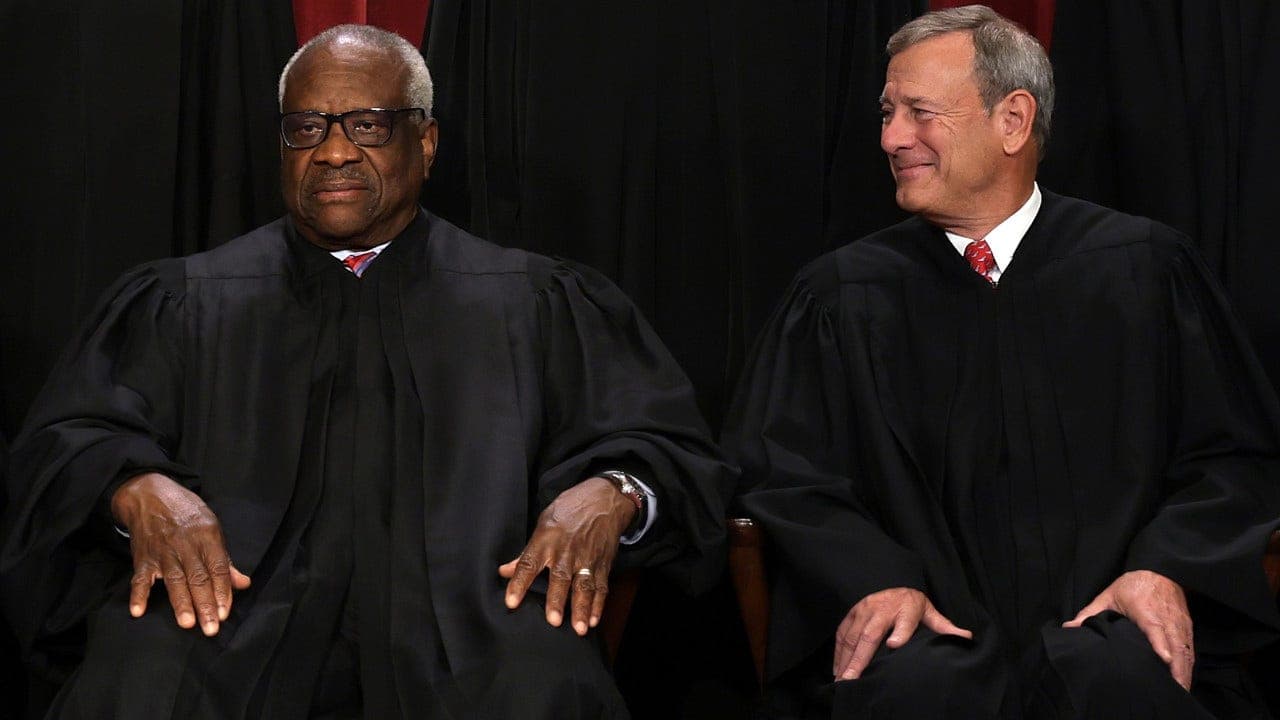
Federal grand juries return indictments 99.99% of the time — out of 162,000 federal cases in 2010, grand juries declined to indict only 11. NY Chief Judge Sol Wachtler's famous quote about indicting a ham sandwich captures the reality: prosecutors control the process, present only their evidence, and face no adversarial challenge. Yet the same grand juries routinely decline to indict police officers in use-of-force cases, exposing a glaring double standard in the system.
“A grand jury would indict a ham sandwich. Unless that ham sandwich is wearing a badge.”
From “crazy” to confirmed
The Claim Is Made
This is the moment they called it crazy.
In 1985, New York's Chief Judge Sol Wachtler made a comment that would define how many people understand the American grand jury system. He said a prosecutor could convince a grand jury to "indict a ham sandwich." It was meant as a casual observation about prosecutorial power. For decades, most people treated it as hyperbole. The data, it turns out, suggests it wasn't hyperbole at all.
Federal grand juries are supposed to serve as a check on prosecutorial power. They hear evidence and decide whether there's probable cause to indict. In theory, they protect citizens from baseless charges. In practice, they almost never say no. According to Bureau of Justice Statistics data from 2010, federal grand juries declined to indict in only 11 cases out of 162,000. That's a 99.99% indictment rate. The ham sandwich comment wasn't funny—it was accurate.
The reason for this lopsided outcome is structural. Prosecutors control what evidence grand juries see. Defense attorneys cannot attend proceedings. There is no adversarial challenge to the government's case. The grand jury hears essentially one side of the story, presented by the people seeking the indictment. Under these conditions, saying no requires grand jurors to actively distrust the prosecutor, something most don't do.
Critics have long pointed out this reality, but it remained largely academic until recent years brought it into focus. The claim gained particular attention when applied to a specific problem: police officers involved in use-of-force incidents. The same grand juries that indict at a 99.99% rate routinely decline to indict officers in cases involving citizen deaths or serious injuries.
When grand juries refuse to indict police, the outcome typically gets presented as a full exoneration of the officer. Media coverage often frames it as the grand jury concluding the officer did nothing wrong. But this misses something crucial. The same structural advantages that lead to ham sandwich indictments should theoretically benefit police officers even more. Yet grand juries still manage to decline indictment at rates far higher than the national average in these cases. This suggests something other than legal merit is determining outcomes.
Get the 5 biggest receipts every week, straight to your inbox — plus an exclusive PDF: The Top 10 Conspiracy Theories Proven True in 2025-2026. No spam. No agenda. Just the papers they couldn't hide.
You just read "Federal grand juries indict at a 99.99% rate — 'a grand jury…". We send ones like this every week.
No one's said anything yet. Be the first to drop your take.
Confirmed: They Were Right
The truth comes out. Officially documented.
Confirmed: They Were Right
The truth comes out. Officially documented.
The disparity raises uncomfortable questions about how the grand jury system operates in practice. If prosecutors can nearly always secure indictments, but choose not to against police, what does that tell us about institutional pressures and priorities? FiveThirtyEight's reporting on the grand jury system documented how prosecutors rarely present cases against fellow law enforcement, and when they do, grand juries show considerably more skepticism than they do with other defendants.
This claim—that grand juries indict at a 99.99% rate while declining to indict police officers at suspicious rates—is now documented fact. Yet it remains poorly understood by the public. Many people still believe grand juries function as meaningful checks on prosecutorial power. They don't, not in any consistent way.
Understanding this matters because it goes to the heart of whether the system treats everyone equally. A 99.99% indictment rate for ordinary citizens, paired with frequent no-bills for police, doesn't suggest a grand jury system working as intended. It suggests a system that works predictably for prosecutors when they want it to, and predictably protects police when prosecutors choose to let it.