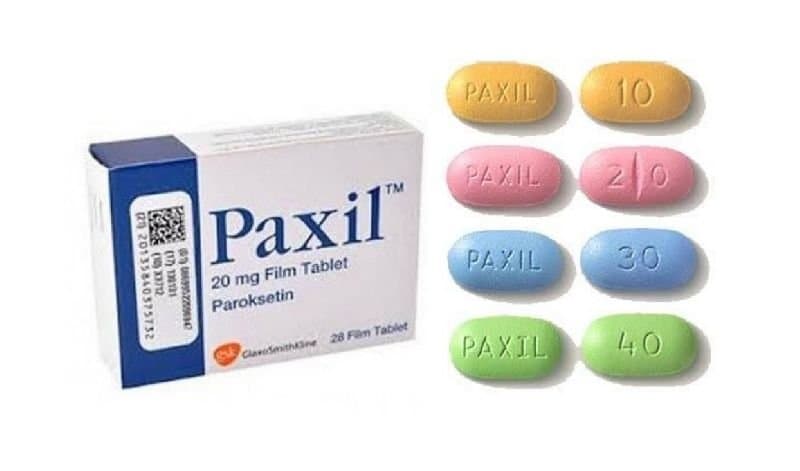
Internal documents showed GlaxoSmithKline concealed clinical trial data showing increased suicide risk in teens while promoting Paxil for adolescent depression.
“Paxil is safe and effective for treating depression in adolescents”
From “crazy” to confirmed
The Claim Is Made
This is the moment they called it crazy.
When GlaxoSmithKline began marketing Paxil to treat depression in adolescents during the late 1990s, the pharmaceutical company faced a straightforward question from doctors and parents: was this drug safe for teenagers? The company's answer, supported by published studies and regulatory submissions, suggested it was.
What wasn't visible then—what wouldn't become visible for years—was that GSK possessed internal data telling a different story entirely.
In 2004, researchers publishing in The BMJ examined clinical trial documents that had been made available through litigation discovery. What they found was striking: GSK had conducted trials showing that adolescents taking Paxil experienced significantly higher rates of suicidal thoughts and behaviors compared to those given a placebo. Yet when the company published the results of its Study 329, the landmark trial testing Paxil in adolescents, these safety concerns were buried or omitted.
The published version of Study 329, which appeared in the Journal of the American Academy of Child & Adolescent Psychiatry in 2001, concluded that Paxil was "generally well tolerated and effective for depression in adolescents." Doctors across the country read this conclusion and prescribed accordingly. Thousands of teenagers began taking the drug.
GSK's defense was familiar: the company maintained that the data had been properly analyzed and that the published results accurately reflected the trial's outcomes. Regulators at the FDA, the company argued, had reviewed all relevant information. The data showing increased suicide risk wasn't hidden—it was simply one interpretation among many, and the overall safety profile remained acceptable.
But the internal documents told investigators a different story. Researchers found evidence that GSK had known about the suicide-related adverse events during the trial but chose not to emphasize them in the publication. In some cases, the events were recategorized or downplayed. The company had also engaged in what critics called "salami-slicing"—publishing multiple small studies with carefully selected positive results while letting negative findings languish in filing cabinets.
The BMJ investigation revealed that when researchers reanalyzed the complete trial data, the suicide risk signal became unmistakable. Adolescents taking Paxil showed approximately twice the rate of suicidal thoughts and behaviors as those on placebo. This wasn't a subtle statistical quirk. It was a substantial safety signal that should have appeared prominently in prescribing information.
The consequences extended beyond damaged credibility. Between the initial approval and the eventual black box warning that the FDA added to Paxil and similar drugs in 2004, hundreds of thousands of adolescents had taken the medication. Some experienced suicidal crises that might have been avoidable had they and their doctors possessed complete information.
GSK eventually settled litigation related to the Paxil marketing practices, though without admitting wrongdoing, and faced significant regulatory scrutiny. The case became a textbook example of how financial incentives in pharmaceutical development can create conflicts between what companies know and what they choose to disclose.
What this case demonstrates is not that all pharmaceutical companies are corrupt, but that institutional oversight depends on transparency. When companies can selectively publish findings and control which data reaches doctors, the entire system meant to protect patients breaks down. The Paxil story matters because it shows how easy it is for bad information to travel farther and faster than corrections—and what people in positions of trust can justify when profit is at stake.
Get the 5 biggest receipts every week, straight to your inbox — plus an exclusive PDF: The Top 10 Conspiracy Theories Proven True in 2025-2026. No spam. No agenda. Just the papers they couldn't hide.
You just read "GSK hid Paxil suicide risk data in adolescents while marketi…". We send ones like this every week.
No one's said anything yet. Be the first to drop your take.