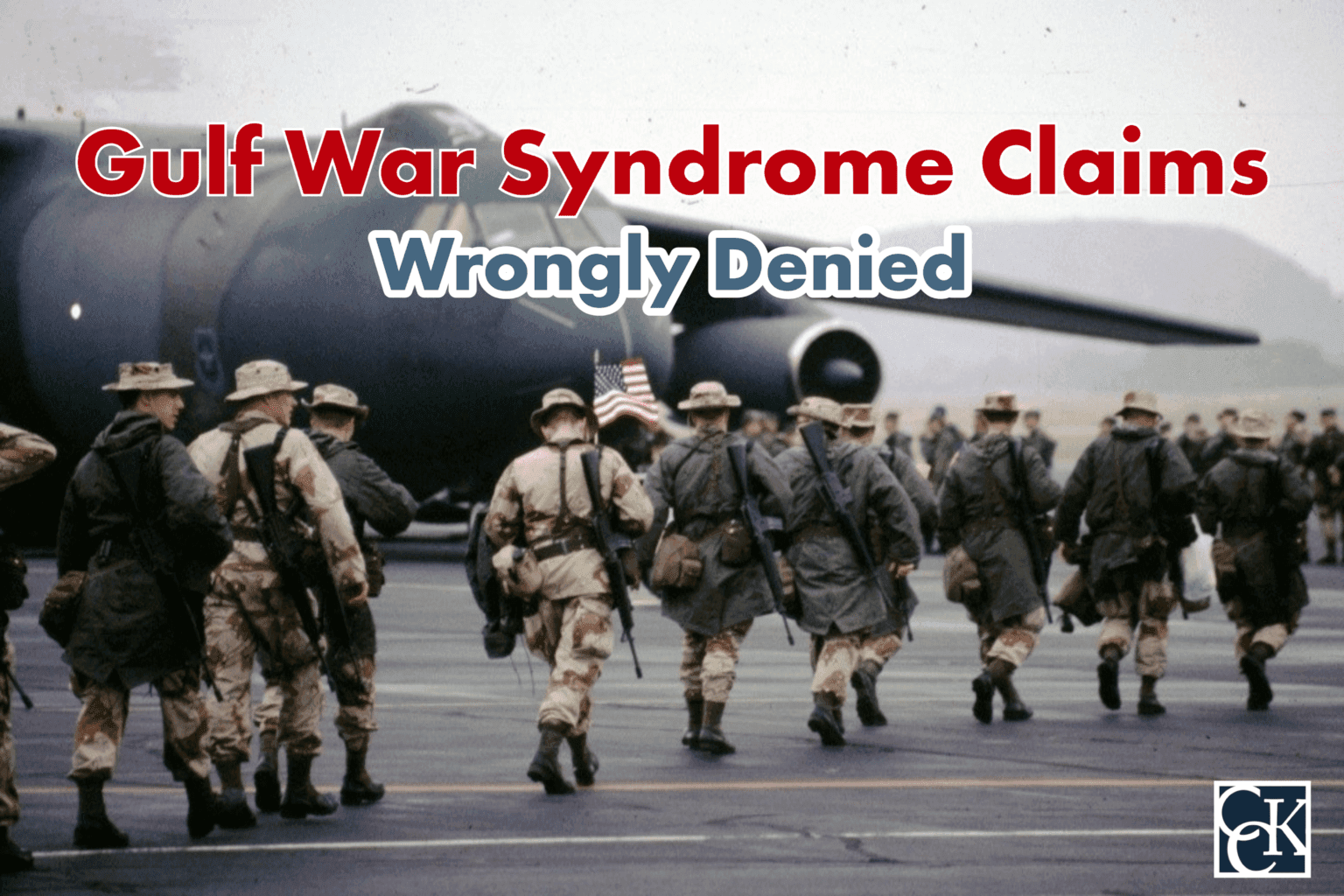
After the 1991 Gulf War, approximately 250,000 of 700,000 deployed veterans reported chronic symptoms including fatigue, pain, memory problems, and immune system dysfunction. The DOD and VA initially dismissed all symptoms as 'stress-related and psychological.' In 1996, the GAO found the VA had denied nearly 95% of Gulf War claims. The Pentagon also concealed that troops at Khamisiyah may have been exposed to nerve agents from destroyed Iraqi chemical weapons. More recent analysis found the VA still rejected 90% of undiagnosed illness claims from Gulf War veterans. Congress eventually mandated recognition, but decades of denial caused immeasurable suffering.
“Gulf War Syndrome is a real physical condition caused by toxic exposures during the war. The government is denying its existence to avoid liability.”
What they said vs. what the evidence shows
“There is no unique illness or syndrome among Gulf War veterans. Symptoms are likely stress-related.”
— Department of Defense / VA · Jan 1994
SourceFrom “crazy” to confirmed
The Claim Is Made
This is the moment they called it crazy.
When nearly a quarter million Gulf War veterans began reporting the same cluster of unexplained symptoms—debilitating fatigue, joint pain, memory loss, and immune dysfunction—the U.S. military had a choice. It could investigate. Or it could deny the problem existed.
For years, it chose denial.
Between 1991 and the mid-1990s, roughly 250,000 of the 700,000 troops deployed to the Persian Gulf reported chronic health problems that medical science couldn't easily categorize. The Department of Defense and Veterans Administration responded by dismissing these symptoms as stress-related and purely psychological. Veterans weren't sick, officials suggested. They were anxious. This wasn't a medical crisis requiring investigation—it was a morale problem requiring reassurance.
The official position was clear and unwavering: there was no such thing as Gulf War Syndrome.
But in 1996, the General Accounting Office released findings that contradicted the government's reassuring narrative. The GAO discovered that the VA had rejected approximately 95 percent of disability claims filed by Gulf War veterans. Not because the claims lacked merit, but because the government had categorically refused to acknowledge the syndrome existed. You cannot receive benefits for an illness your government insists is imaginary.
Around the same time, another critical fact emerged. The Pentagon had known that troops stationed at Khamisiyah in southern Iraq may have been exposed to nerve agents released from destroyed chemical weapons facilities. This information—potentially crucial to understanding the veterans' symptoms—had been concealed from the public and, more troublingly, from the affected troops themselves.
Decades passed. Medical researchers eventually identified biological and chemical mechanisms that could explain the cluster of symptoms Gulf War veterans reported. The condition appeared connected to multiple environmental exposures during deployment: pesticides used extensively in theater, depleted uranium in ammunition, and possibly those nerve agents from Khamisiyah. The symptoms were real. The illness was real.
Get the 5 biggest receipts every week, straight to your inbox — plus an exclusive PDF: The Top 10 Conspiracy Theories Proven True in 2025-2026. No spam. No agenda. Just the papers they couldn't hide.
You just read "The US government denied Gulf War Syndrome existed for years…". We send ones like this every week.
No one's said anything yet. Be the first to drop your take.
Confirmed: They Were Right
The truth comes out. Officially documented.
Confirmed: They Were Right
The truth comes out. Officially documented.
Yet the denial persisted. More recent analysis found that even after official recognition of Gulf War Illness, the VA continued rejecting roughly 90 percent of undiagnosed illness claims from affected veterans. Only after Congressional pressure did the government finally mandate acknowledgment of Gulf War Illness as a legitimate service-connected condition.
By then, decades had passed. Thousands of veterans had suffered in silence, unable to access medical care or disability benefits for conditions the government insisted didn't exist. Marriages dissolved. Careers ended. Some took their own lives. The delay in recognition meant delayed treatment, delayed research, and delayed justice.
This case reveals something essential about institutional accountability. When powerful institutions—in this case, the military and the VA—have incentive to deny rather than investigate, the burden falls on individuals to prove what their own bodies are telling them. Veterans had to fight their government for the right to be believed about their own experience.
The claim that Gulf War Syndrome existed and that the government denied it was verified not through official admission, but through leaked documents, Congressional investigation, and the stubborn persistence of veterans demanding answers. They knew. The government knew. The question was never whether the illness was real. The question was how long institutions could sustain a lie, and what costs that denial would extract from those it protected.
Unlikely leak
Only 6.5% chance this would come out. It did.
Conspirators
~1,000Large op
Secret kept
16.9 years
Time to 95% exposure
500+ years