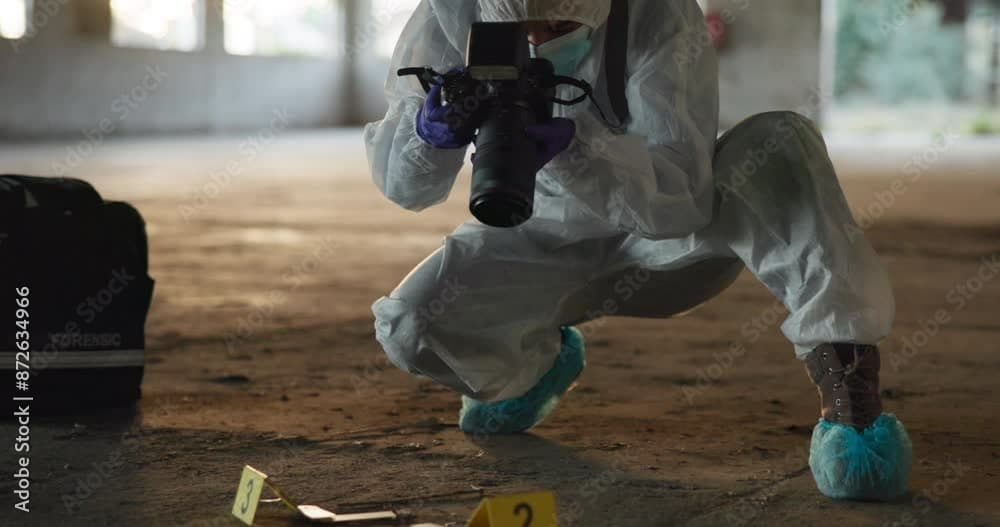
The Houston Police Department crime lab suffered from widespread contamination, evidence mishandling, and unqualified analysts from 1980-2002. Over 4000 cases required review after the facility was shut down.
“Houston Police Department crime laboratory maintains proper evidence handling and testing procedures”
From “crazy” to confirmed
The Claim Is Made
This is the moment they called it crazy.
For more than two decades, the Houston Police Department's crime laboratory operated as a critical pillar of the city's criminal justice system. Evidence processed there put people behind bars, freed the innocent, and shaped the outcomes of thousands of cases. Few questioned whether the science behind those results was sound—until it was too late.
Between 1980 and 2002, the HPD crime lab was plagued by contamination, evidence mishandling, and analysts who lacked basic qualifications to perform their jobs. When the full scope of the problem finally emerged, it wasn't a vindication for skeptics—it was a reckoning that would force the review of over 4,000 cases and raise troubling questions about how many innocent people might have been convicted based on compromised evidence.
The warnings came early. Experts and observers had raised concerns about the facility's operations well before the lab was ultimately shut down. These weren't vague suspicions but documented problems: evidence stored improperly, cross-contamination between samples, and personnel working in roles they were not trained to fill. Yet these red flags were largely dismissed or ignored by officials who maintained the lab was functioning adequately.
The official response from HPD leadership downplayed these concerns. Management insisted that procedures were sound and that the concerns raised by critics were overblown or based on misunderstandings of how the lab operated. There was no sense of urgency to implement sweeping reforms. Business continued as usual, and cases continued to move through the system.
The turning point came when independent investigations finally documented what skeptics had been saying: the problems were not isolated incidents but systemic failures. The contamination was real. The unqualified analysts were a documented fact, not speculation. Evidence had been mishandled repeatedly. These weren't matters of opinion or perspective—they were verifiable breaches of basic laboratory protocol that would be unacceptable in any credible forensic facility.
The scale of the damage became apparent when authorities announced that more than 4,000 cases required review due to evidence processed by the compromised lab. That number alone captures the magnitude of the institutional failure. Each case represented a defendant, a victim's family, and a conviction that might be built on a faulty foundation.
What makes this case significant is not just the number of people affected, but what it reveals about institutional accountability. The lab existed within a system that had every incentive to trust its own infrastructure. Police departments are supposed to maintain rigorous standards for evidence handling—it's not a luxury or a preference, it's a fundamental requirement of justice. When that system fails, it fails everyone: the genuinely guilty who should face consequences based on solid evidence, and the innocent who might be wrongly convicted.
The Houston crime lab case demonstrates why skepticism about institutional claims matters. When experts raised concerns, they were treated as outliers rather than as voices pointing to real problems. It took years and thousands of compromised cases before the system was forced to confront what had been documented all along.
Today, this case serves as a reminder that claims of systemic failure in law enforcement, even when initially dismissed, deserve serious investigation. Public trust in the justice system depends on our willingness to examine problems honestly—not to defend institutions reflexively, but to hold them accountable to the standards they claim to uphold.
Get the 5 biggest receipts every week, straight to your inbox — plus an exclusive PDF: The Top 10 Conspiracy Theories Proven True in 2025-2026. No spam. No agenda. Just the papers they couldn't hide.
You just read "Houston Police Crime Lab Contamination and Evidence Mishandl…". We send ones like this every week.
No one's said anything yet. Be the first to drop your take.