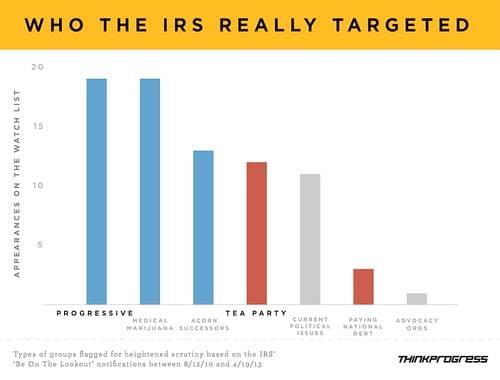
In 2013, the Treasury Inspector General confirmed the IRS used politically biased criteria to target organizations with 'Tea Party' or 'patriot' in their names for intensive scrutiny of tax-exempt applications. IRS Director Lois Lerner apologized, then pled the Fifth before Congress and was held in contempt. The DOJ closed the investigation with no charges despite finding 'substantial evidence of mismanagement.'
“They used names like Tea Party or Patriot and they selected them for further review. That was wrong, that was absolutely incorrect, insensitive, and inappropriate.”
From “crazy” to confirmed
The Claim Is Made
This is the moment they called it crazy.
The Internal Revenue Service's systematic targeting of conservative political groups represents one of the most significant institutional abuses of power documented in recent American history. What began as scattered complaints from Tea Party organizations in 2010 eventually became an officially confirmed pattern of government misconduct that undermined public trust in a fundamental institution.
Conservative groups began noticing something unusual around 2010. Organizations with names like the Tea Party Patriots and various patriot-affiliated nonprofits were experiencing unusual delays in their tax-exempt status applications. Some waited years for approvals that typically took months. The complaints were initially dismissed by mainstream media and political observers as partisan grievance. Skeptics argued that conservative groups simply weren't being treated differently—they were imagining a problem that didn't exist.
The IRS's initial response was stonewalling. Officials denied any targeting was occurring. When questioned by Congress, the agency maintained that application delays reflected only standard administrative processes and increased workload. IRS Commissioner Douglas Shulman testified that there was no political bias in the system. The narrative held that this was a non-story manufactured by Republicans looking for controversy.
That changed in May 2013 when the Treasury Inspector General for Tax Administration released an official audit report. The investigation confirmed what conservatives had been claiming: the IRS had indeed used inappropriate criteria to target organizations for heightened scrutiny. Specifically, IRS employees had systematically flagged applications from groups with "Tea Party," "patriot," or "9/12" in their names for extra review. The report identified that between 2010 and 2012, during the exact period before the presidential election, these organizations faced additional burdens and delays that similarly situated liberal groups did not experience.
Get the 5 biggest receipts every week, straight to your inbox — plus an exclusive PDF: The Top 10 Conspiracy Theories Proven True in 2025-2026. No spam. No agenda. Just the papers they couldn't hide.
You just read "The IRS systematically targeted Tea Party and conservative g…". We send ones like this every week.
No one's said anything yet. Be the first to drop your take.
Confirmed: They Were Right
The truth comes out. Officially documented.
Confirmed: They Were Right
The truth comes out. Officially documented.
The evidence was damning and specific. The Treasury Inspector General documented that IRS employees had created lists of organizations to target based on their political names and positions. Applications from groups with conservative-leaning keywords were routed to specialized units for prolonged examination. Some organizations reported waiting three years or more for approvals while providing extensive additional documentation. The targeting wasn't random or accidental—it was systematic and traceable through agency records.
IRS Director Lois Lerner, who headed the relevant division, initially apologized for what she called "mistakes." However, when called before Congress to explain the agency's actions, she invoked her Fifth Amendment right against self-incrimination and refused to answer questions. Congress subsequently held her in contempt. The Department of Justice eventually closed its investigation in 2015 without bringing criminal charges, though investigators found what they termed "substantial evidence of mismanagement."
The significance of this confirmed claim extends beyond the scandal itself. It demonstrated that a major federal agency had weaponized its regulatory authority for apparent political purposes. Citizens who engaged in lawful political activity faced government retaliation. The confirmation vindicated those who had raised concerns when doing so was unpopular and subjected them to ridicule.
This case matters because institutional trust depends on accountability. When government agencies abuse power and face no meaningful consequences, it corrodes citizens' faith in impartial administration. The IRS targeting controversy showed that extraordinary claims about government misconduct deserved serious investigation rather than dismissal. For those who had raised the alarm, the eventual verification came years too late for many of the affected organizations.
Beat the odds
This had a 0.1% chance of leaking — someone talked anyway.
Conspirators
~500Large op
Secret kept
0.5 years
Time to 95% exposure
500+ years