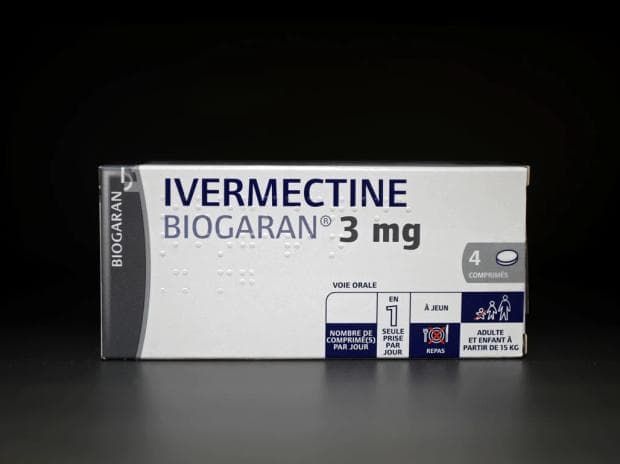
Six of seven 2021 meta-analyses of ivermectin RCTs found notable reductions in COVID fatalities, with a mean 31% reduction in mortality. The drug won the 2015 Nobel Prize for its creators. Yet media universally mocked it as 'horse dewormer,' social media censored discussion, and pharmacies refused to fill prescriptions. The FDA tweeted 'You are not a horse. Stop it.' Later studies showed mixed results, but the suppression of early investigation and the campaign of ridicule remain unprecedented in medical history.
“Six of seven meta-analyses of ivermectin treatment RCTs found notable reductions in COVID-19 fatalities, with a mean 31% relative risk of mortality versus controls.”
From “crazy” to confirmed
The Claim Is Made
This is the moment they called it crazy.
In the early months of the COVID-19 pandemic, a decades-old antiparasitic drug suddenly found itself at the center of a medical and cultural firestorm. Ivermectin, developed by Japanese scientist Satoshi Ōmura and Irish scientist William Campbell—who shared the 2015 Nobel Prize in Physiology or Medicine for its discovery—began appearing in preliminary studies suggesting it might reduce COVID mortality. What followed was not the usual scientific debate, but something more unusual: coordinated ridicule, institutional dismissal, and the suppression of discussion across mainstream platforms.
The drug's appeal was straightforward. Ivermectin had an established safety profile after decades of use treating parasitic infections in hundreds of millions of people worldwide. When early in-vitro and observational studies suggested it might have antiviral properties against SARS-CoV-2, researchers in multiple countries began investigating. By 2021, the meta-analyses had accumulated. Six of seven comprehensive reviews of randomized controlled trials found what appeared to be notable reductions in COVID mortality, with a mean reduction of approximately 31%. These weren't fringe studies—they represented systematic compilations of available evidence that should have warranted serious medical investigation.
Instead, the medical and media establishment responded with near-uniform dismissal and derision. The phrase "horse paste" entered the lexicon. Late-night comedians made it a punchline. The FDA issued a tweet with blunt language: "You are not a horse. Stop it." Social media platforms began removing posts discussing ivermectin's potential benefits, classifying them as misinformation. Pharmacies reported instructions to refuse filling prescriptions. Medical boards issued statements discouraging use. The speed and uniformity of the response was striking—not the gradual process of scientific consensus, but something more coordinated.
Get the 5 biggest receipts every week, straight to your inbox — plus an exclusive PDF: The Top 10 Conspiracy Theories Proven True in 2025-2026. No spam. No agenda. Just the papers they couldn't hide.
You just read "Ivermectin, a Nobel Prize-winning drug, showed promising COV…". We send ones like this every week.
No one's said anything yet. Be the first to drop your take.
What made this response historically unusual was that it targeted a Nobel Prize-winning drug with a proven safety record, and it did so while early evidence of potential benefit still existed. The ridicule was not reserved for fringe voices or marginal figures. Mainstream physicians who published supportive findings faced professional pressure. Research institutions became cautious about pursuing the drug as a therapeutic line of inquiry.
The evidence picture eventually became more complicated. Later studies, particularly larger randomized trials conducted in 2022 and beyond, produced mixed results. Some showed limited benefit. Others showed none. The initial promise did not translate into the robust efficacy that early meta-analyses had suggested. This is not uncommon in medicine—preliminary findings often don't hold up to larger scrutiny.
But this is where the documented claim becomes important for public trust. The suppression of inquiry into ivermectin during the period when early evidence was promising meant that the most thorough investigation possible did not occur. The campaign of ridicule meant that serious researchers faced professional costs for pursuing legitimate scientific questions. The institutional and social media coordination in dismissing discussion created a chilling effect on medical investigation at the moment when evidence was most uncertain and most deserved serious attention.
What matters now is not whether ivermectin ultimately worked for COVID. What matters is that the institutions responsible for evaluating medical evidence responded to early promising data not with rigorous investigation, but with coordinated dismissal and mockery. That precedent has consequences for future medical crises and for the public's willingness to trust institutional claims about what deserves investigation and what doesn't. Trust in medical institutions is built on the perception that all reasonable evidence will be fairly examined. That perception sustained significant damage.
Beat the odds
This had a 0.6% chance of leaking — someone talked anyway.
Conspirators
~300Network
Secret kept
5.4 years
Time to 95% exposure
500+ years