FAA documents released through FOIA revealed extensive investigation of JAL Flight 1628's 1986 UFO encounter over Alaska, despite initial claims no investigation occurred.
“The FAA conducted no investigation into the reported aerial phenomena”
From “crazy” to confirmed
The Claim Is Made
This is the moment they called it crazy.
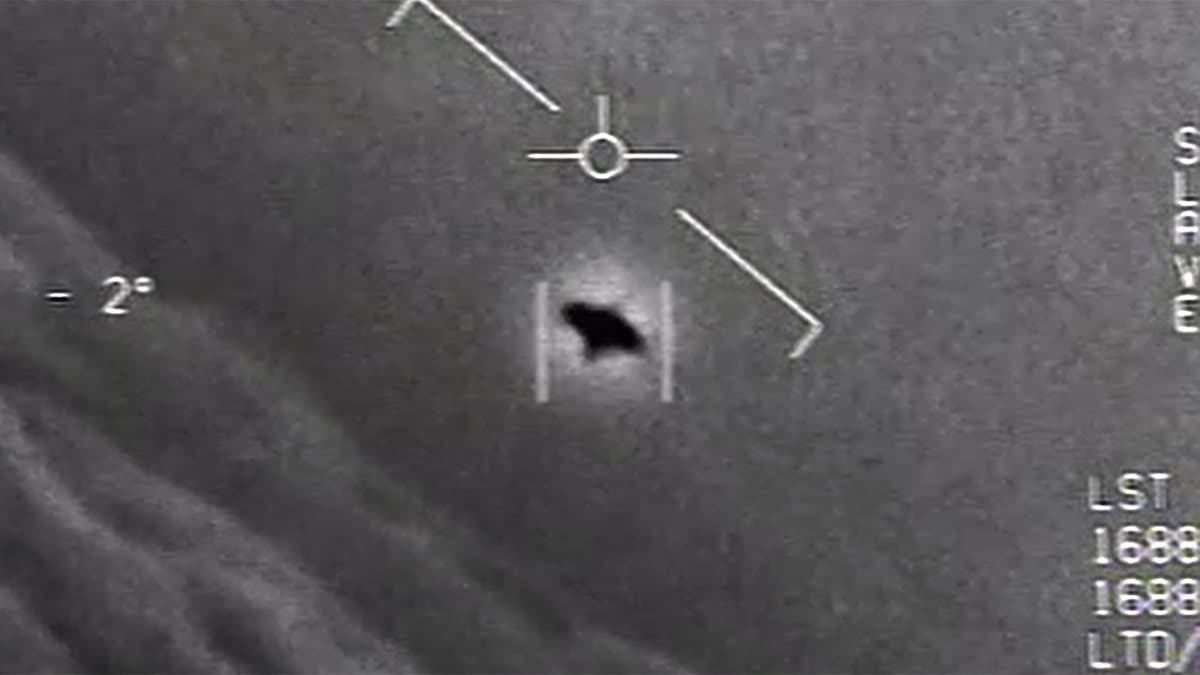
When Japan Airlines Flight 1628 crossed Alaskan airspace on November 17, 1986, the captain and crew reported seeing unidentified objects moving in ways that defied conventional aircraft capabilities. They described massive objects, sudden accelerations, and maneuvers that left experienced pilots genuinely unsettled. What happened next became a textbook example of institutional denial masking serious investigation.
For years, authorities insisted there was nothing to investigate. The FAA issued statements suggesting the incident was minor, unworthy of formal scrutiny, and ultimately explainable through conventional means. Government officials downplayed the encounter and actively discouraged further discussion. The official line was clear: move along, nothing to see here.
But files obtained through Freedom of Information Act requests told a different story. FAA technical reports revealed that the agency had actually launched a comprehensive investigation into the incident. Engineers, analysts, and officials spent significant resources examining radar data, interviewing the flight crew, and developing technical assessments. The investigation was thorough, documented, and detailed—everything the public denials suggested never happened.
The FAA Technical Report on the JAL 1628 incident became the smoking gun. Rather than a cursory review or dismissal, the document showed methodical analysis. Investigators examined multiple radar returns, correlated them with the crew's testimony, and attempted to reconcile the observations with known aircraft and weather phenomena. They didn't find easy answers. Instead, they found anomalies that required serious attention from qualified engineers.
What makes this case instructive is not whether the objects were extraterrestrial. That question remains unanswered and perhaps unanswerable. What matters is the documentary evidence of deliberate contradiction between public statements and private actions. Officials publicly minimized the incident while simultaneously conducting one of the most rigorous investigations into an aerial encounter in FAA history.
Get the 5 biggest receipts every week, straight to your inbox — plus an exclusive PDF: The Top 10 Conspiracy Theories Proven True in 2025-2026. No spam. No agenda. Just the papers they couldn't hide.
You just read "Japan Airlines Flight 1628 UFO Encounter Was Officially Inve…". We send ones like this every week.
No one's said anything yet. Be the first to drop your take.
The crew involved—including Captain Kenju Terauchi, a 29-year veteran with an impeccable safety record—had no incentive to fabricate their account. They were professional pilots reporting what their instruments and eyes showed them. Yet the initial response was to question their credibility rather than to investigate seriously.
The FOIA documents proved that skepticism and investigation are not mutually exclusive. The FAA could have, and did, take the incident seriously while also maintaining appropriate caution about extraordinary claims. Instead, the public received denial while internal processes reflected genuine concern and rigorous analysis.
This discrepancy between public messaging and private investigation undermines institutional credibility. Citizens learn to distrust official denials when released documents demonstrate that those same institutions were conducting exactly the kind of investigation they publicly denied undertaking. It suggests a pattern where transparency takes a back seat to messaging.
The JAL 1628 case demonstrates why documentation matters. Witnesses can be dismissed, memories can fade, and initial reports can be forgotten. But paper trails create accountability. When FOIA requests yield evidence that contradicts public statements, they illuminate not just what happened, but how institutions communicate with the public.
For those tracking institutional credibility, the JAL 1628 incident is essential history. It shows that significant official investigations can occur entirely beneath the public's awareness, and that determination of what gets investigated is sometimes made for reasons having little to do with the evidence itself.
Unlikely leak
Only 7.6% chance this would come out. It did.
Conspirators
~500Large op
Secret kept
39.5 years
Time to 95% exposure
500+ years