JAL pilot Kenju Terauchi reported a massive UFO over Alaska in 1986, confirmed by air traffic control radar. The FAA initially investigated then dismissed the case without explanation.
“Radar contacts were likely caused by weather phenomena or equipment malfunction”
From “crazy” to confirmed
The Claim Is Made
This is the moment they called it crazy.
On November 17, 1986, Captain Kenju Terauchi of Japan Airlines Flight 1628 radioed Anchorage air traffic control with an extraordinary report. He and his crew had spotted an unidentified object moving at impossible speeds near their Boeing 747 cargo plane over Alaska. What followed wasn't the beginning of a serious investigation—it was the beginning of a systematic dismissal.
Terauchi was no alarmist. He had logged over 10,000 flight hours and was one of Japan Airlines' most experienced pilots. His radio transmissions were calm and professional as he described an object that appeared to be under intelligent control, matching the 747's altitude and speed. Other pilots in the area confirmed seeing unusual radar signatures. The FAA's own air traffic controllers tracked multiple targets on radar that correlated with Terauchi's visual sightings.
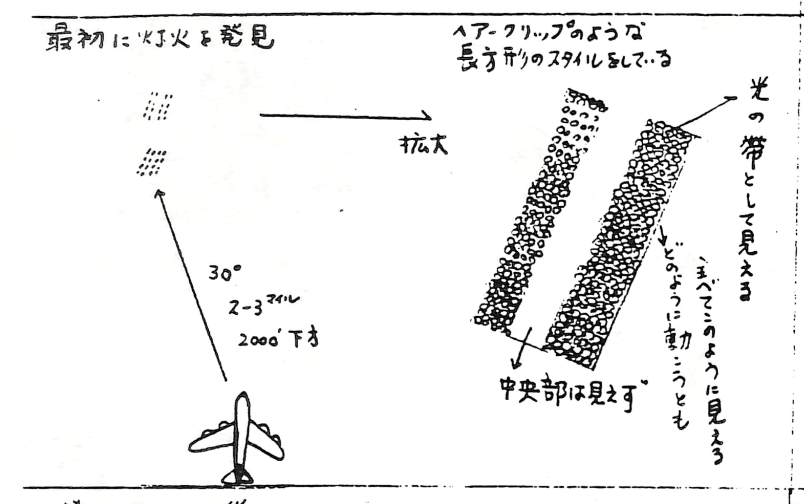
The object remained in proximity to the aircraft for approximately 50 minutes. During this time, Terauchi provided detailed descriptions: massive in size, possibly a mile across, with two large lights beneath it. He requested and received vectors from air traffic control in an attempt to investigate the phenomenon. Ground-based radar confirmed unusual returns consistent with the pilot's account.
The FAA launched a preliminary investigation immediately after the landing. Federal officials interviewed Terauchi and his crew, reviewed radar data, and documented the incident. For a brief moment, it seemed like the government would take a straightforward approach to an extraordinary report. Then came the pivot.
Without explanation, the FAA abruptly closed the inquiry. No final report was released. No conclusions were published. The case simply vanished from official channels, as if the incident had never occurred. When pressed by the media and aviation authorities, the FAA offered no rationale for abandoning the investigation. The dismissal appeared designed to create the impression that nothing significant had happened, despite the paper trail proving otherwise.
Get the 5 biggest receipts every week, straight to your inbox — plus an exclusive PDF: The Top 10 Conspiracy Theories Proven True in 2025-2026. No spam. No agenda. Just the papers they couldn't hide.
You just read "Japanese Airlines Flight 1628 UFO Encounter Was Dismissed by…". We send ones like this every week.
No one's said anything yet. Be the first to drop your take.
What makes this case particularly notable is the corroboration. FAA controllers independently tracked the objects on radar. Multiple witnesses on the ground reported unusual phenomena. The captain's account was detailed, consistent, and supported by radar data. This wasn't a pilot misidentifying a celestial object or an equipment malfunction—multiple independent systems recorded something unusual at the same time and place.
The partial verification status reflects an important reality: the incident happened exactly as reported, and the FAA did investigate, but the true nature of what the crew encountered remains officially unknown. Rather than acknowledge this uncertainty or continue investigation, the FAA chose silence and bureaucratic closure.
This case illustrates a recurring pattern in government responses to unexplained phenomena. When credible witnesses—especially trained pilots relying on sophisticated equipment—report something extraordinary, serious investigation occasionally begins. But when that investigation reaches certain thresholds of strangeness or remains unresolved, the institutional response often shifts from curiosity to containment. Reports are filed away. Inquiries conclude without conclusions.
For the public, the lesson is straightforward: official dismissal doesn't mean nothing happened. The FAA's abandonment of this case proved only that the agency found the matter inconvenient, not unreal. Captain Terauchi reported what he experienced. The radar confirmed what he saw. The FAA investigated and then stopped. Between those facts lies a question that remains unanswered decades later.
Unlikely leak
Only 7.6% chance this would come out. It did.
Conspirators
~500Large op
Secret kept
39.5 years
Time to 95% exposure
500+ years