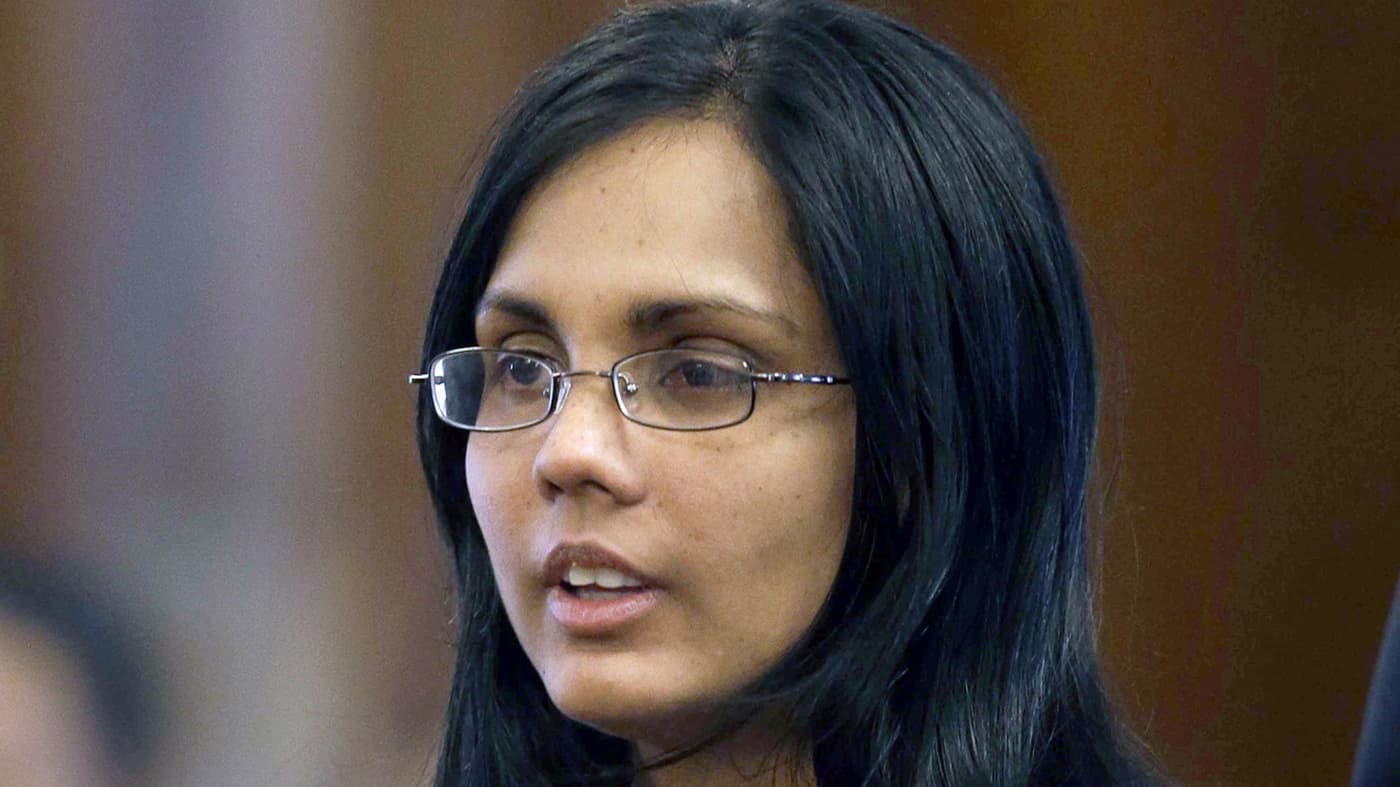
Annie Dookhan falsified drug test results in over 34,000 cases while lab supervisors ignored red flags. The scandal led to massive case dismissals and wrongful conviction revelations.
“Our crime lab maintains the highest standards of accuracy and quality control”
From “crazy” to confirmed
The Claim Is Made
This is the moment they called it crazy.
A single chemist working in a state crime laboratory managed to compromise the integrity of more than 34,000 criminal cases without meaningful oversight catching her misconduct. Annie Dookhan worked at the Hinton State Laboratory Institute in Jamaica Plain, Massachusetts, where she processed drug evidence for criminal prosecutions. Over nearly a decade, she systematically falsified test results, forged signatures, and invented findings that put thousands of people behind bars based on fraudulent evidence.
The initial dismissals of concern came quickly and predictably. When supervisors and colleagues noticed peculiarities in Dookhan's work—unusually high productivity compared to peers, suspicious notes on evidence logs, and chemically improbable results—their responses ranged from indifference to protective. The laboratory's management had no appetite for internal scrutiny. Dookhan was handling roughly three times the caseload of her colleagues, a workload that should have triggered immediate questions about quality control. Instead, she was considered a model employee, reliable and efficient. The system was designed to trust authority, not verify it.
What made Dookhan's fraud possible was a toxic combination of poor management, inadequate training, and an absence of meaningful peer review. Crime lab supervisors failed to implement basic verification procedures. There were no random audits of her work. Handwriting on evidence reports didn't match her actual signatures. Chain-of-custody documentation contained inconsistencies. She testified in court about results for samples she claimed never to have tested. Yet these red flags accumulated in institutional silence.
The unraveling began with a complaint in 2012, roughly ten years after her misconduct had started. Investigation revealed that Dookhan had testified in court cases without actually performing the chemical analyses she claimed to have conducted. She had signed off on drug test results within minutes that should have required hours of careful laboratory work. In some cases, she documented testing samples that had never been submitted to the lab. She also admitted to adding her own conclusions beyond what her test results supported, essentially manufacturing evidence to strengthen prosecution cases.
Massachusetts eventually declared the convictions tainted. The state's highest court ordered case-by-case reviews affecting thousands of defendants. Charges were dismissed wholesale. Some individuals walked free after spending years in prison. Dookhan herself received probation and a prison sentence, a relatively light punishment considering the scale of her impact on the criminal justice system.
The broader significance extends far beyond one chemist's dishonesty. The Dookhan case exposed how institutions can systematically overlook fraud when the fraud serves institutional interests. Crime labs are prosecution-aligned agencies, and Dookhan's work helped convictions happen. Nobody was incentivized to look too closely. The lack of adversarial oversight—nobody routinely challenging defense attorneys or independent scientists to verify results—created a vacuum where misconduct could flourish invisibly.
Thousands of people had their liberty stolen based on evidence that never existed in the form claimed. Some have been exonerated. Others remain entangled in the system fighting years later to prove their convictions were built on lies. The Massachusetts crime lab scandal stands as a monument to what happens when bureaucratic trust replaces scientific verification. It reveals that protecting institutions often takes priority over protecting the people those institutions are supposed to serve fairly.
Get the 5 biggest receipts every week, straight to your inbox — plus an exclusive PDF: The Top 10 Conspiracy Theories Proven True in 2025-2026. No spam. No agenda. Just the papers they couldn't hide.
You just read "Massachusetts Crime Lab Chemist Falsified Evidence in Thousa…". We send ones like this every week.
No one's said anything yet. Be the first to drop your take.