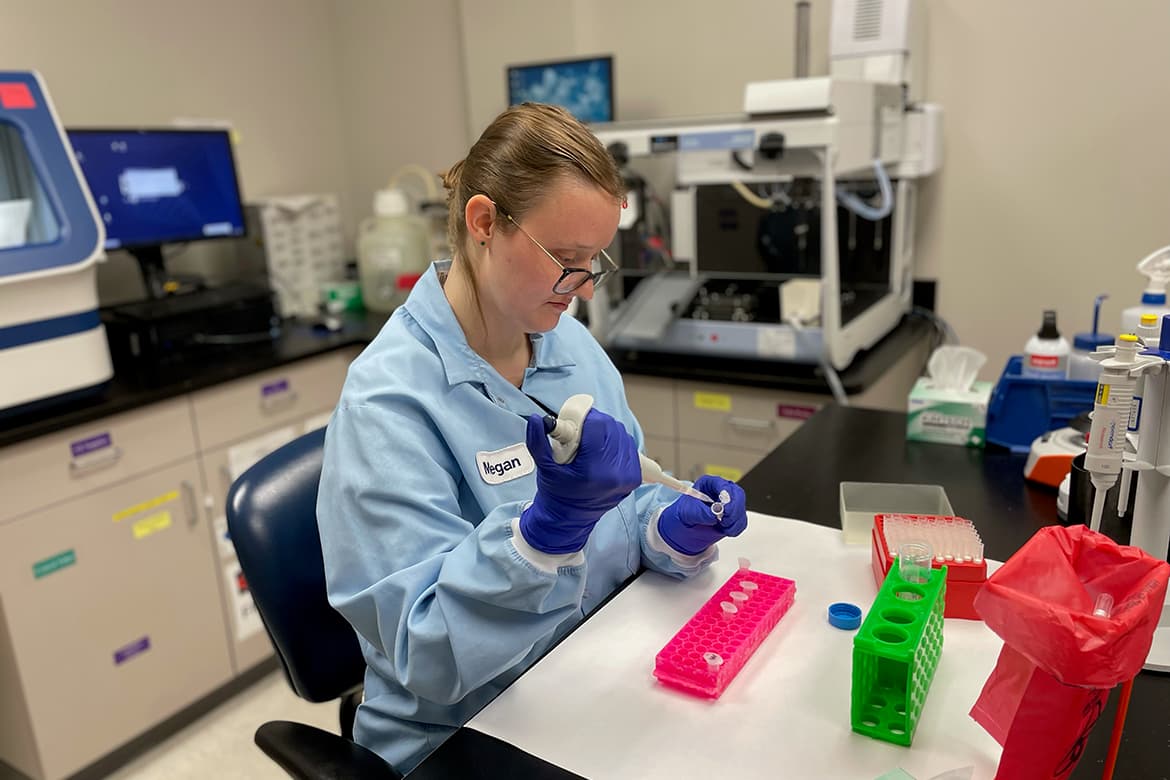
State chemist Annie Dookhan admitted to falsifying drug evidence and lab results in over 34,000 cases from 2003-2012. Her misconduct led to the dismissal of thousands of drug convictions and exposed systemic lab failures.
“Massachusetts State Police crime labs maintain rigorous quality control and accurate testing procedures”
From “crazy” to confirmed
The Claim Is Made
This is the moment they called it crazy.
Between 2003 and 2012, a single chemist in Massachusetts processed evidence for over 34,000 drug cases. Her name was Annie Dookhan, and nearly everything she testified to was a lie.
For years, the Massachusetts State Crime Lab operated under the assumption that its chemists were conducting legitimate, reliable analysis. Dookhan was considered exemplary—a hardworking analyst who cleared cases faster than her peers. Prosecutors relied on her results. Defense attorneys rarely questioned her findings. Judges accepted her testimony. The system worked, or so everyone believed.
Then the system broke.
In 2012, internal audits and an investigation by the state Attorney General's office revealed that Dookhan had systematically falsified drug evidence and lab results across thousands of cases. She admitted to manufacturing test results, failing to actually test samples, and providing false testimony under oath. The scope was staggering: over 34,000 cases touched by her work. Potentially all of them were compromised.
When the allegations first emerged, the initial response from authorities was measured. Some in law enforcement suggested the problem might be isolated, that perhaps Dookhan had cut corners on paperwork but that the substance of her testing remained valid. There was institutional reluctance to acknowledge the magnitude of what had happened. After all, accepting mass lab fraud meant accepting that thousands of convictions might rest on fabricated evidence.
But the evidence itself didn't allow for equivocation. Dookhan's own admissions were damning and detailed. Audits revealed she had worked impossible caseloads, physically incapable of conducting the tests she claimed to have performed. Her handwriting appeared on documents in suspicious patterns. Lab procedures designed to ensure accuracy had been ignored wholesale. The Attorney General's office documented the misconduct meticulously, and Dookhan eventually pleaded guilty to perjury and tampering with evidence.
The practical consequences were enormous. Massachusetts began the painstaking process of reviewing and dismissing convictions from Dookhan cases. Defense attorneys had to locate clients—many of them long released—to expunge their records. Some individuals had already served their sentences. Others had rebuilt their lives under the shadow of convictions based entirely on fabricated evidence. Families had been separated. Employment prospects had been destroyed. All predicated on lies told under oath.
The Dookhan case exposed a deeper institutional failure. It wasn't simply about one dishonest chemist. The lab's supervisory structure had failed to catch the fraud for nearly a decade. Quality control measures were inadequate or ignored. The cultural assumption that government lab work was inherently trustworthy had prevented proper oversight. Prosecutors had never demanded independent verification. The system had built-in vulnerabilities that one person had exploited completely.
What matters about the Dookhan case extends beyond Massachusetts. It demonstrated that the foundation of criminal justice—forensic evidence—cannot be taken for granted. Labs require rigorous oversight, independent verification, and genuine consequences for misconduct. It revealed that institutional trust, without accountability mechanisms, is essentially worthless. And it showed that thousands of lives can be derailed by a single person working in a system designed to detect but failing to prevent fraud.
This wasn't a conspiracy theory. It was documented institutional failure, verified and acknowledged by the state itself.
Get the 5 biggest receipts every week, straight to your inbox — plus an exclusive PDF: The Top 10 Conspiracy Theories Proven True in 2025-2026. No spam. No agenda. Just the papers they couldn't hide.
You just read "Massachusetts State Crime Lab Chemist Annie Dookhan Falsifie…". We send ones like this every week.
No one's said anything yet. Be the first to drop your take.