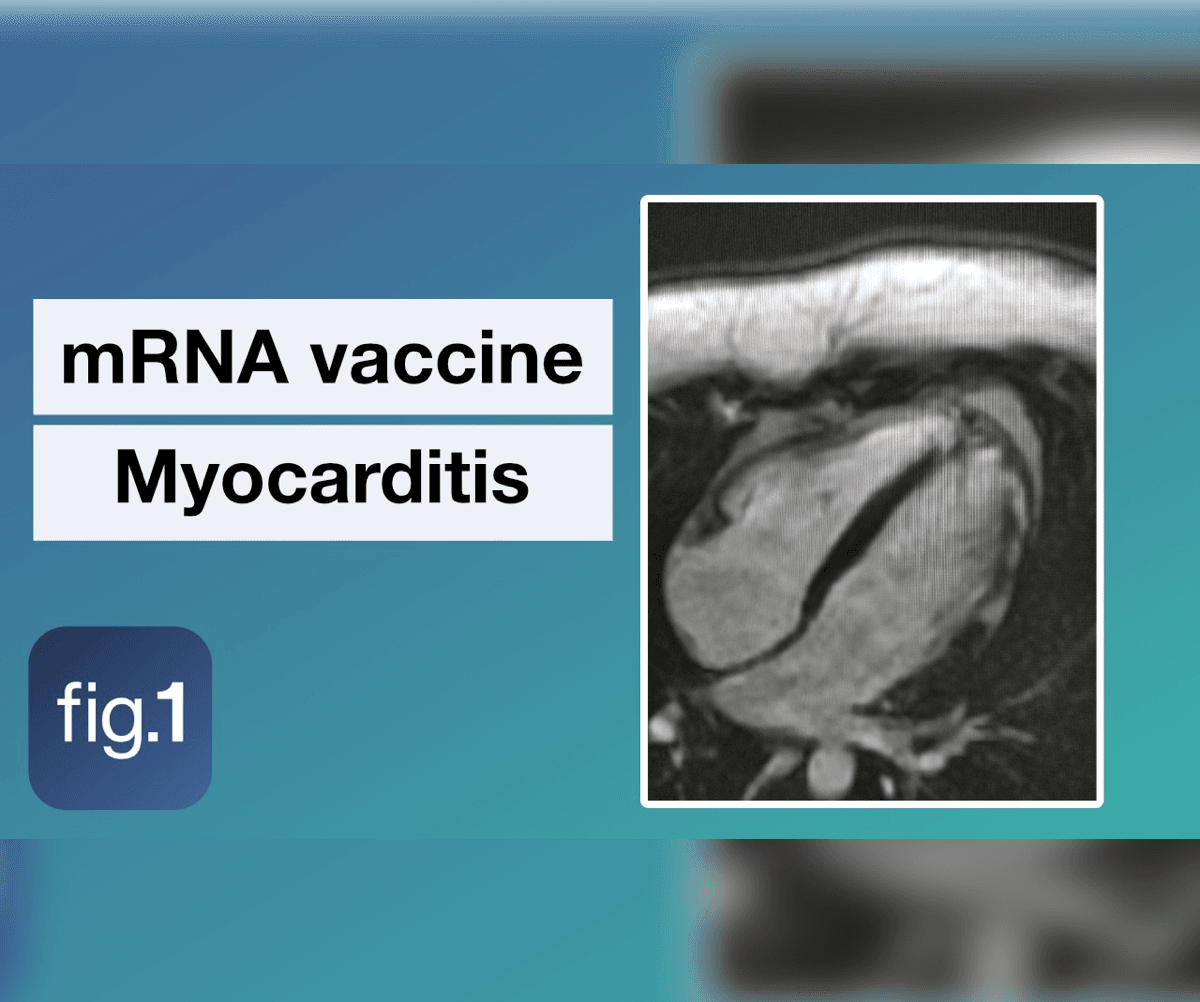
Early reports of myocarditis in young males after mRNA COVID vaccination were labeled misinformation and censored on social media. The CDC later confirmed rates of 62.8 cases per million second doses in males aged 12-17, and 50.5 per million in ages 18-24. The CDC ultimately changed its recommendations, extending the interval between doses to reduce risk. Autopsy studies confirmed vaccine-induced myocardial inflammation.
“We are seeing an alarming signal of myocarditis and pericarditis in young males following mRNA COVID-19 vaccination that needs urgent investigation.”
From “crazy” to confirmed
The Claim Is Made
This is the moment they called it crazy.
In the spring of 2021, cardiologists and parents began reporting an unusual pattern: young men and boys were presenting to emergency rooms with chest pain, elevated heart enzymes, and inflammatory markers shortly after receiving their second dose of mRNA COVID-19 vaccines. These observations raised an immediate question that should have prompted swift investigation: could the vaccines be causing myocarditis, the inflammation of heart muscle tissue?
Instead, what followed was a coordinated effort across social media platforms and some health authorities to label these reports as misinformation. Posts documenting cases were flagged and reduced in distribution. Doctors discussing the signal faced professional skepticism. The official line was consistent: myocarditis after vaccination was extremely rare, possibly nonexistent, and certainly not worth investigating publicly.
This dismissal persisted for months, even as the reports accumulated. Parents describing their sons' hospitalizations were accused of spreading vaccine hesitancy. Medical professionals who raised concerns were told they were seeing coincidental cases or misdiagnosed conditions. The narrative was fixed: the vaccines were safe and effective, and any suggestion otherwise was dangerous disinformation that threatened public health.
By mid-2021, however, the CDC began its own investigation. What they found vindicated those early reporters. The agency confirmed that myocarditis did indeed occur after mRNA vaccination in young males at rates far above background. The CDC documented 62.8 cases per million second doses in males aged 12-17, and 50.5 per million in males aged 18-24. These were not rare events. They were measurable and significant.
Get the 5 biggest receipts every week, straight to your inbox — plus an exclusive PDF: The Top 10 Conspiracy Theories Proven True in 2025-2026. No spam. No agenda. Just the papers they couldn't hide.
You just read "Claims of mRNA vaccine-induced myocarditis in young males we…". We send ones like this every week.
No one's said anything yet. Be the first to drop your take.
Confirmed: They Were Right
The truth comes out. Officially documented.
Confirmed: They Were Right
The truth comes out. Officially documented.
The confirmation didn't come with fanfare or acknowledgment of the dismissed reports. Instead, the CDC quietly adjusted its recommendations. They extended the interval between first and second doses, a modification designed to reduce the risk. Autopsy studies subsequently confirmed that the myocarditis observed was indeed vaccine-induced, showing characteristic patterns of myocardial inflammation consistent with immune response to the vaccine platform.
What makes this case significant isn't simply that early reports turned out to be correct. It's the mechanism by which they were suppressed. The initial observations came from practicing physicians and concerned parents asking reasonable questions about safety signals. Their questions weren't answered with data; they were answered with censorship. Platforms removed content. Algorithms deprioritized discussion. The social consensus was manufactured rather than earned.
This matters because public health depends on trust, and trust depends on transparency. When people report adverse events and are told they're lying, they're either right—in which case we've lost valuable safety information—or wrong, in which case honest engagement with their concerns would have been more persuasive than dismissal.
The myocarditis case also illustrates a specific hazard of the modern information environment: the weaponization of the term misinformation itself. Once a claim is labeled false, admitting its truth requires institutional humility that is often politically difficult. It's easier to quietly adjust policy than to acknowledge that concerned citizens were right all along.
The vaccines provided genuine benefit against severe COVID-19. That remained true even as the myocarditis signal was real. Both things could be factually accurate. The failure wasn't in acknowledging myocarditis. The failure was in pretending it didn't exist while people were suffering from it.
Beat the odds
This had a 0.1% chance of leaking — someone talked anyway.
Conspirators
~300Network
Secret kept
0.5 years
Time to 95% exposure
500+ years