On September 18, 1931, Lt. Suemori Kawamoto detonated dynamite near the Japanese-owned South Manchuria Railway near Mukden (Shenyang). The explosion was so weak it failed to damage the track — a train passed over it minutes later. Nevertheless, the Imperial Japanese Army blamed 'Chinese dissidents' and used it as pretext for a full-scale invasion of Manchuria, establishing the puppet state of Manchukuo. The League of Nations' Lytton Commission exposed the deception in 1932, leading to Japan's withdrawal from the League in 1933. The incident is considered a pivotal step toward WWII in Asia.
“Japanese military officers planned and executed the bombing of the South Manchuria Railway as a false pretext to justify the invasion and occupation of Manchuria.”
What they said vs. what the evidence shows
From “crazy” to confirmed
The Claim Is Made
This is the moment they called it crazy.
Confirmed: They Were Right
The truth comes out. Officially documented.
Confirmed: They Were Right
The truth comes out. Officially documented.
On the night of September 18, 1931, a railway line in Manchuria exploded. It was so minor that a train rolled over the damaged tracks minutes later without incident. Yet within hours, this faint blast would trigger one of the deadliest conflicts in human history.
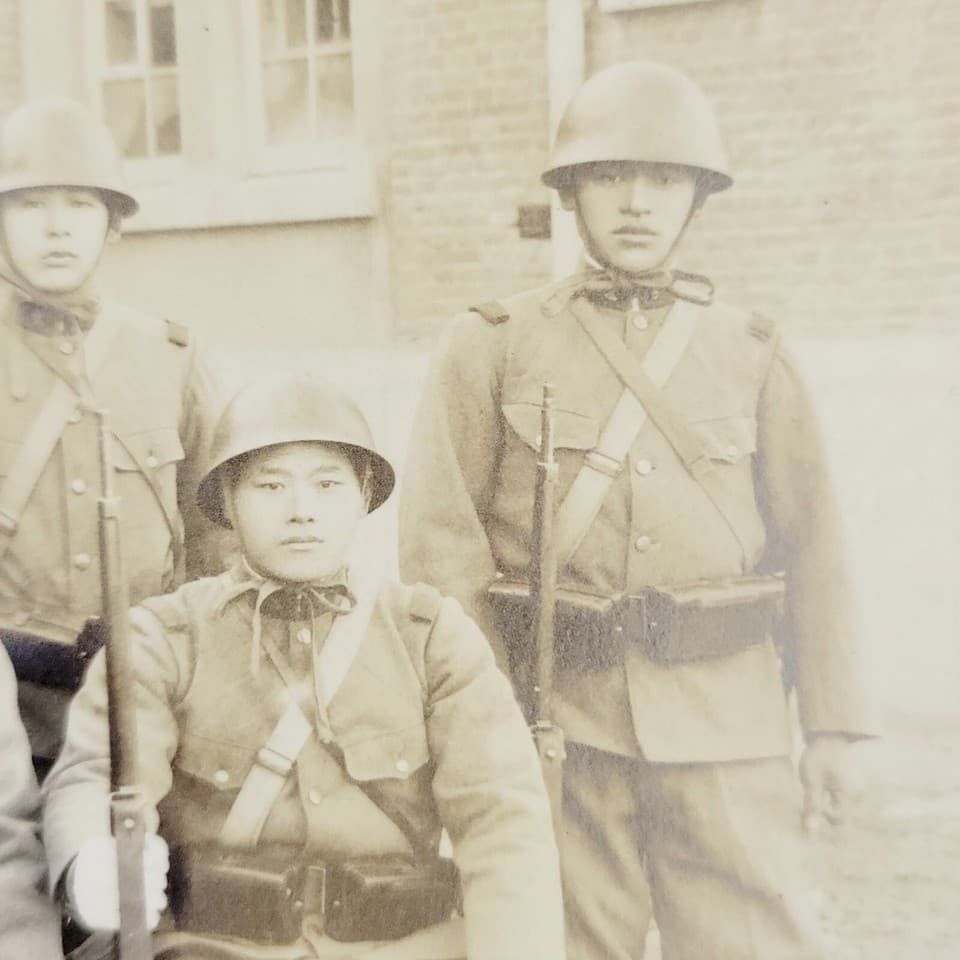
Lieutenant Suemori Kawamoto of the Imperial Japanese Army had planted dynamite near the South Manchuria Railway close to the city of Mukden, in what was then Chinese territory. The explosion was deliberately weak—almost a rehearsal of a crime rather than the crime itself. The real detonation would come in the narrative that followed.
Japanese military officials immediately blamed "Chinese dissidents" for the bombing. The allegation was the match; the invasion was the fire. Using the railway incident as justification, the Imperial Japanese Army launched a full-scale assault on Manchuria. Within months, they had conquered the entire region and established Manchukuo, a puppet state nominally independent but entirely under Japanese control. What began as a pinprick explosion became an occupation affecting millions.
For months, Japan's official story held. The military's explanation seemed plausible to distant observers. But the fabrication had a fatal flaw: it left evidence.
The League of Nations, then the primary international body for mediating disputes, launched an investigation. The Lytton Commission, named after its head, traveled to Manchuria and gathered testimony from witnesses, military officers, and local officials. What they uncovered was damning. The commission's 1932 report concluded that Japan had staged the bombing itself. The explosion was too weak to have caused the damage Japan claimed. The timing was too convenient. The evidence too thin. Most tellingly, interviews with Japanese officers revealed inconsistencies in their accounts—the kind of contradictions that emerge when multiple people are asked to defend a lie.
Japan's response was defiant. Rather than face international censure, the Japanese government withdrew from the League of Nations in 1933. The message was clear: if the world would not accept their narrative, they would leave the world's governing body.
Historians now recognize the Mukden Incident as a pivotal moment. It was not the beginning of World War II, but it was the moment Japan's military decided that aggression, wrapped in false justification, was preferable to diplomatic restraint. The invasion of Manchuria would embolden the Japanese military establishment. It would lead to deeper incursions into China. It would ultimately contribute to the war that consumed the Pacific and claimed millions of lives.
What makes this history relevant today is not just that a government lied—that is common. What matters is that the lie almost worked. It succeeded long enough to accomplish its purpose. A fabricated incident became the scaffolding for conquest, and only international investigation eventually exposed the deception. The Mukden Incident reminds us that false flags have real consequences, and that official narratives, no matter how convincingly presented, must be scrutinized when they conveniently justify military action.
Get the 5 biggest receipts every week, straight to your inbox — plus an exclusive PDF: The Top 10 Conspiracy Theories Proven True in 2025-2026. No spam. No agenda. Just the papers they couldn't hide.
You just read "Japanese officers staged a fake bombing of their own railway…". We send ones like this every week.
No one's said anything yet. Be the first to drop your take.