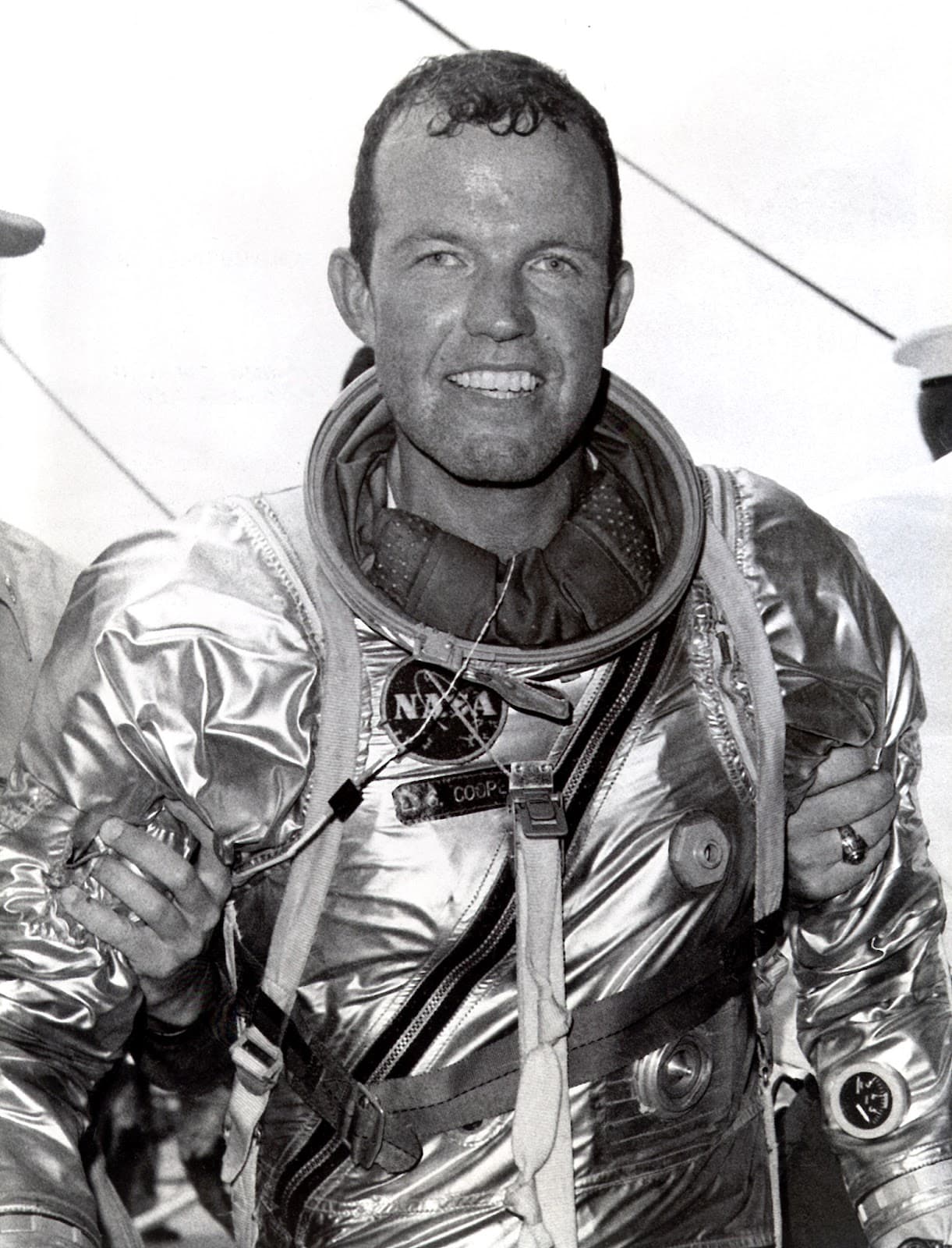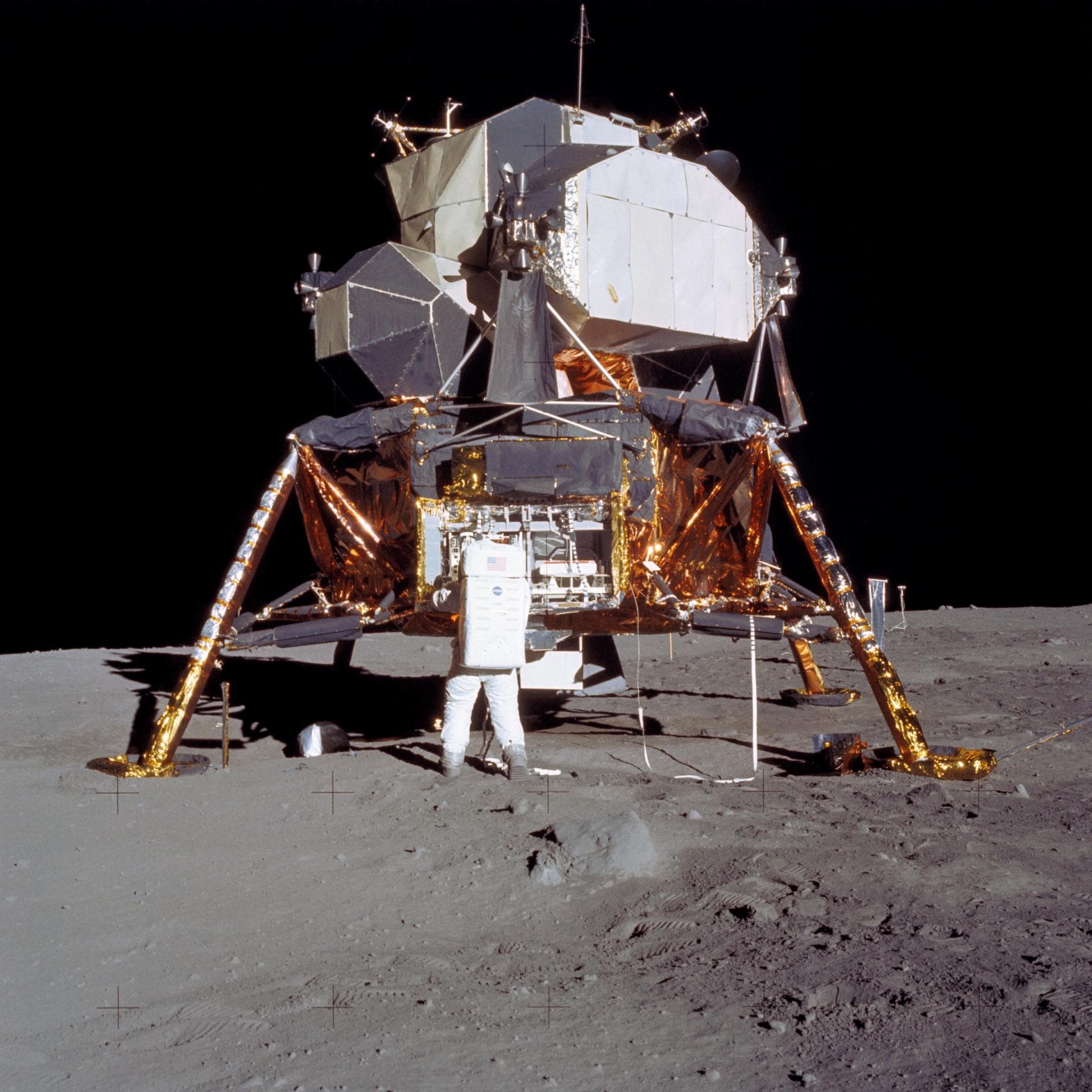
NASA claimed the original Apollo 11 slow-scan TV tapes were preserved, but later admitted they were accidentally erased and reused in the 1980s. The highest quality footage was permanently lost.
“All Apollo mission data has been carefully preserved in NASA archives”
From “crazy” to confirmed
The Claim Is Made
This is the moment they called it crazy.
For decades, NASA maintained that the original telemetry tapes from the Apollo 11 mission—the highest quality recordings of humanity's first steps on the moon—were safely preserved in their archives. This was the official story, repeated in textbooks and documentaries. It was also false.
The original slow-scan television tapes that captured Neil Armstrong and Buzz Aldrin's movements on the lunar surface were accidentally erased and reused sometime in the 1980s, according to NASA's own later admission. The agency that put humans on the moon couldn't keep track of its most historically significant recordings. That contradiction alone deserves examination.
When researchers and archivists began asking questions about the tapes' locations in the 1990s and 2000s, NASA initially claimed they had been preserved. The agency's narrative was straightforward: these materials were safely stored, cataloged, and accessible. Nobody from NASA volunteered the information that the original high-resolution footage had been lost. It took persistent inquiry to crack this story open.
What happened was bureaucratic negligence meeting institutional inertia. NASA, like many large organizations, faced storage constraints and budget pressures in the 1980s. The agency determined that the slow-scan tapes—recorded at 10 frames per second, far superior to what was broadcast to television audiences—were not immediately needed. Someone made a decision to reuse the tape stock. The original recordings were erased and written over.
The loss is genuine. While NASA did preserve the broadcast-quality footage that was transmitted to Earth during the mission, the original telemetry data from the lunar module's systems were captured only on those slow-scan tapes. That information, once erased, was gone permanently. No backup existed. The highest fidelity documentation of the Apollo 11 mission objectives simply vanished.
Get the 5 biggest receipts every week, straight to your inbox — plus an exclusive PDF: The Top 10 Conspiracy Theories Proven True in 2025-2026. No spam. No agenda. Just the papers they couldn't hide.
You just read "NASA Destroyed Original Apollo 11 Moon Landing Telemetry Tap…". We send ones like this every week.
No one's said anything yet. Be the first to drop your take.
When this came to light, NASA's credibility took a hit it never fully recovered from in certain circles. The agency had not been dishonest in the technical sense—they hadn't deliberately lied about destroying the tapes. But they had failed to disclose a significant loss of historical materials and allowed an inaccurate record to persist unchallenged for years. For an organization whose entire mission depends on precision and transparency, this was damaging.
What makes this story important isn't that it proves some grand conspiracy about the moon landing itself. The Apollo 11 mission happened exactly as documented in the thousands of other records, photos, and testimonies that remain. What it proves instead is something more subtle but more troubling: institutions can lose track of crucial evidence without malice, and they often won't volunteer that information unless forced to.
This case illustrates why public scrutiny of official narratives matters, even when the institutions involved aren't acting with bad intentions. NASA didn't set out to erase the tapes to hide something. They simply made them dispensable in the moment, and nobody caught the mistake until much later. Had nobody asked difficult questions, the loss would have remained buried in bureaucratic archives.
For public trust to function, transparency must be the default, not the exception. Institutions need to maintain their own records and acknowledge their own failures without waiting for outside pressure. The Apollo 11 tape erasure wasn't a conspiracy—it was something possibly worse: a reminder that our most important historical materials are vulnerable to ordinary neglect and that official claims require verification, always.
Beat the odds
This had a 3.3% chance of leaking — someone talked anyway.
Conspirators
~500Large op
Secret kept
16.8 years
Time to 95% exposure
500+ years