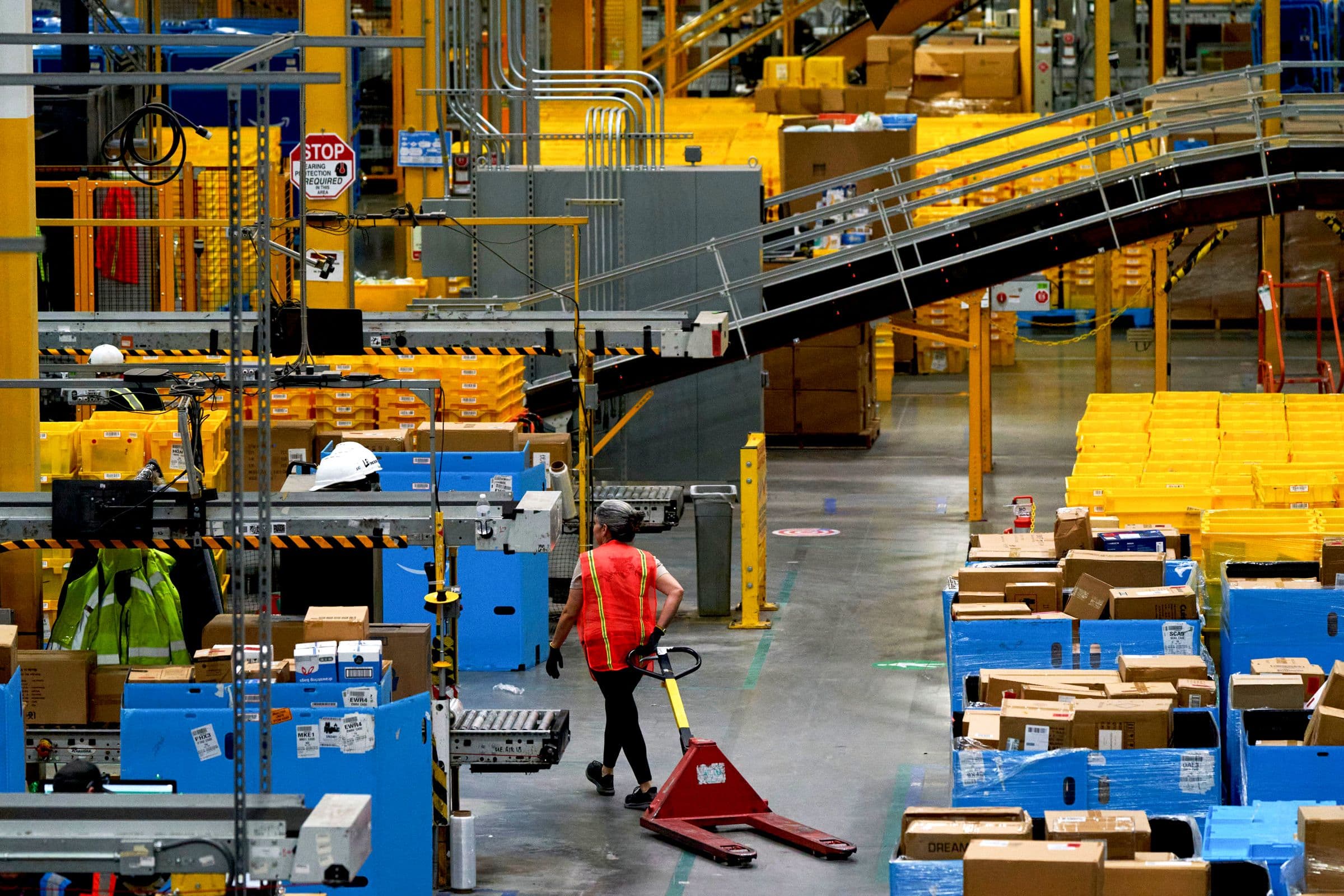
Nestlé paid as little as $200/year for permits to pump hundreds of thousands of gallons per minute from aquifers, depleting local water tables in Michigan, California, and Oregon. In Canada, they paid $3.71 per million litres. At the 2000 World Water Forum, Nestlé successfully lobbied to change water's designation from a 'human right' to a 'human need.' Their chairman later called the idea of water as a human right 'extreme.' Indigenous communities were particularly devastated as their water sources were bottled and sold back to them.
“Nestlé is stealing our water for pennies, depleting our aquifers, and making billions selling it back to us in bottles. They don't think water is a human right.”
From “crazy” to confirmed
The Claim Is Made
This is the moment they called it crazy.
When a corporation can extract a natural resource that sustains human life for less than the cost of a coffee, and simultaneously lobby to ensure that resource isn't recognized as a basic human right, the mechanics of power become impossible to ignore. This is exactly what Nestlé accomplished over the past two decades, operating largely outside public scrutiny until the evidence became undeniable.
The claim seemed almost too brazen to be true: Nestlé paid negligible amounts—sometimes as little as $200 annually—for permits to pump hundreds of thousands of gallons of water per minute from aquifers in Michigan, California, and Oregon. In Canada, the company paid just $3.71 per million litres. Meanwhile, the corporation generated billions in revenue by bottling and selling that same water back to consumers. The implicit accusation was that Nestlé had gamed a system designed to protect public resources, treating them instead as private inventory.
When challenged, Nestlé and the regulatory agencies involved defended the arrangement as standard practice. Water extraction permits, they explained, were historically priced low because water was considered abundant. The company argued it was simply following existing law and contributing to local economies through jobs and tax revenue. The framing positioned critics as unrealistic—water had to be cheap, they suggested, or development wouldn't happen.
But the Story of Stuff investigation and subsequent reporting by IBFAN revealed a more complete picture. The permit fees weren't just low; they were absurdly low relative to the scale of extraction and the value of what was being removed. In Michigan's case, Nestlé pumped water from the Great Lakes basin while local communities faced water restrictions. In California, the company continued operations during droughts that devastated agricultural regions. The math didn't add up unless the intent was extraction at minimal cost.
The smoking gun, however, wasn't just about permit fees. At the 2000 World Water Forum, Nestlé successfully lobbied to change the official designation of water from a "human right" to a "human need." The distinction matters profoundly. A human right is inalienable and universal. A human need can be commodified, rationed, and sold. Nestlé's chairman later called the concept of water as a human right "extreme"—a statement that inverts ordinary moral reasoning and reveals the corporate calculus underneath.
Get the 5 biggest receipts every week, straight to your inbox — plus an exclusive PDF: The Top 10 Conspiracy Theories Proven True in 2025-2026. No spam. No agenda. Just the papers they couldn't hide.
You just read "Nestlé paid almost nothing to extract millions of gallons of…". We send ones like this every week.
No one's said anything yet. Be the first to drop your take.
Confirmed: They Were Right
The truth comes out. Officially documented.
Confirmed: They Were Right
The truth comes out. Officially documented.
The impact fell most heavily on those with the least power to resist. Indigenous communities in affected regions watched their water sources literally bottled and sold back to them at premium prices. Aquifers that had sustained populations for generations began depleting. The company had essentially secured a subsidy funded by nature itself and enforced by governments unwilling to value public resources appropriately.
This isn't a story about a rogue executive or isolated malfeasance. It's a demonstration of how institutional structures can be deliberately shaped to benefit concentrated wealth at the expense of diffuse public interest. Nestlé didn't break the rules; the rules were written to allow exactly what they did. What's significant now is that the claim has been verified and documented. The question remaining is whether verification changes anything when the systems that enabled this arrangement remain largely intact.
Beat the odds
This had a 0.7% chance of leaking — someone talked anyway.
Conspirators
~100Network
Secret kept
18.3 years
Time to 95% exposure
500+ years