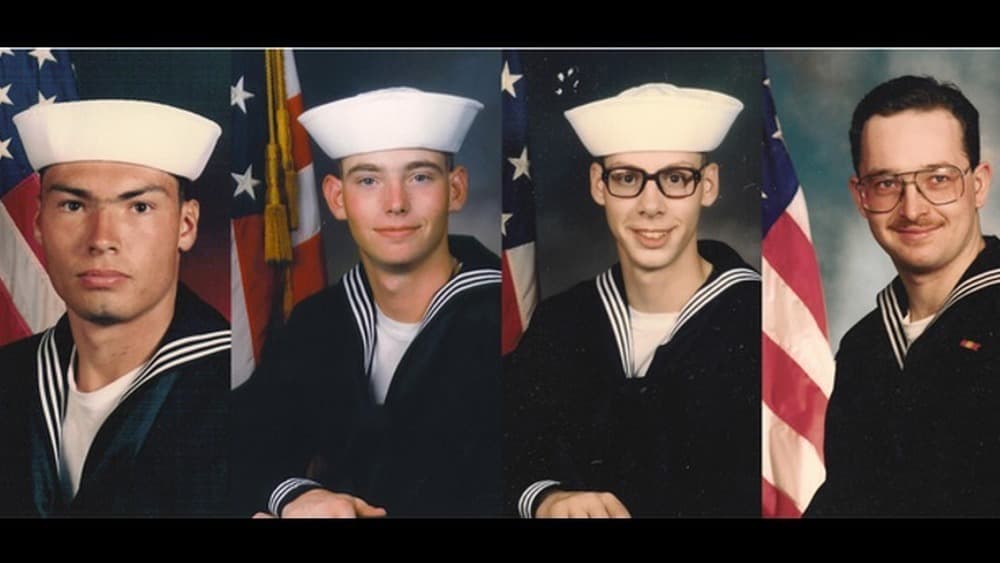
Norfolk Police Detective Robert Glenn Ford used coercive interrogation tactics to extract false confessions from four innocent sailors in a 2005 rape case. Three confessed to crimes they didn't commit after hours of psychological pressure.
“All confessions were obtained through proper interrogation procedures following legal guidelines”
From “crazy” to confirmed
The Claim Is Made
This is the moment they called it crazy.
Four sailors walked into a Norfolk Police interrogation room in 2005. Three of them walked out having confessed to a rape they had nothing to do with. This is the story of how the system that's supposed to protect the innocent became their greatest threat.
The case began on June 4, 2005, when a woman reported being raped in Norfolk, Virginia. Police arrested four sailors from Naval Station Norfolk: Derek Tice, Danial Williams, Joe Dick, and Eric Wilson. None of them had committed the crime. But within days, three of them would confess anyway.
Detective Robert Glenn Ford led the interrogations. The official narrative was straightforward: these men confessed, therefore they were guilty. The confessions were documented, recorded, and presented as ironclad evidence. Case closed. Convictions followed. The victim could move forward. Justice, it seemed, had been served.
But the confessions contained problems that should have raised immediate red flags. The details didn't match the crime scene. The accounts contradicted each other. In one particularly telling sign, one confession included information that only became public after the interrogation had already ended—information the suspect would have had no way of knowing beforehand.
The Innocence Project eventually took up the case, and their investigation revealed the mechanics of how innocent men were convinced they were guilty. Detective Ford employed a now-infamous interrogation technique: he lied to the suspects about the evidence against them, told them their co-defendants had already confessed, and applied relentless psychological pressure over marathon sessions. When suspects denied involvement, Ford simply continued, undeterred, wearing them down until resistance collapsed.
One suspect, Derek Tice, was interrogated for over an hour with Ford repeatedly insisting he had already confessed. When Tice maintained his innocence, Ford told him his friends had already given him up. The pressure was designed to make confessing seem like the only rational path forward—even for something you didn't do.
DNA evidence eventually proved what the confessions should never have claimed in the first place. The biological evidence matched a man who had nothing to do with any of the four sailors. All four Norfolk Four were ultimately exonerated, though only after years of incarceration.
Detective Ford's tactics weren't unique to this case—they were systematic. His interrogations followed a proven blueprint for extracting false confessions: isolating suspects, lying about evidence, suggesting they had no choice but to admit guilt, and simply refusing to accept denials.
The Norfolk Four case matters because it exposes a fundamental vulnerability in the criminal justice system. A confession is supposed to be the strongest form of evidence, the closest thing to a defendant admitting the truth themselves. But this case proved that confessions can be manufactured by anyone with the authority to control an interrogation room and the willingness to break the rules.
Years after exoneration, the system that condemned them offered minimal accountability. Detective Ford was never prosecuted for his coercive tactics. The Norfolk Four received a settlement, but no equivalent justice to what was taken from them.
The lesson is uncomfortable: if it happened to them, it can happen to anyone sitting across from the wrong detective in the wrong interrogation room.
Get the 5 biggest receipts every week, straight to your inbox — plus an exclusive PDF: The Top 10 Conspiracy Theories Proven True in 2025-2026. No spam. No agenda. Just the papers they couldn't hide.
You just read "Norfolk Four Coerced Into False Confessions Through Illegal …". We send ones like this every week.
No one's said anything yet. Be the first to drop your take.